

Lighting Measurements – An In-depth Guide Part 1
When retrofitting your LEDs, lightbulbs have various illuminance. Theres different ways to measure the lighting of…

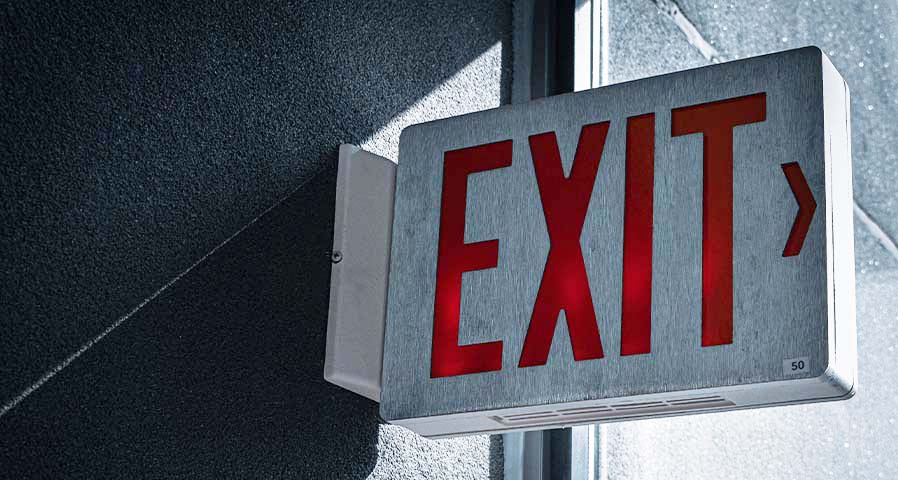
Emergency lighting and exit signs are critical life safety systems in commercial buildings that ensure occupants can safely evacuate during emergencies. Federal regulations, building codes, and fire safety standards define how these systems must be installed, illuminated, tested, and maintained.
What is the emergency lighting and exit sign requirements for commercial buildings?
Emergency lighting and exit sign requirements are safety regulations that ensure occupants can quickly locate and follow illuminated exit routes during emergencies such as power failures, fires, or other evacuation events.
Commercial facilities must install properly illuminated exit signage and emergency backup lighting along exit pathways, stairwells, corridors, and other evacuation routes. These systems must activate automatically during power interruptions and provide adequate illumination for safe building evacuation.
Multiple regulatory organizations establish these requirements, including NFPA, OSHA, and the International Building Code.
Emergency lighting and exit sign regulations are established by several national codes and safety agencies that define installation, testing, and performance requirements.
| Organization | Standard / Code | Key Requirements |
| National Fire Protection Association (NFPA) | NFPA 101 Life Safety Code | Exit signage visibility, illumination levels, and emergency lighting duration requirements |
| Occupational Safety and Health Administration (OSHA) | OSHA Standard 1910.37 | Exit route lighting, exit sign placement, and clearly marked evacuation paths for workplaces |
| International Building Code (IBC) | IBC Sections 1008, 1009, 1013 | Emergency lighting for exit pathways, accessible evacuation routes, and illuminated exit signs |
| Joint Commission (JCAHO) | EC.02.05.07 | Inspection, testing, and maintenance requirements for life safety systems in healthcare facilities in the United States. |
NFPA 101 Life Safety Code establishes detailed requirements for exit signage visibility and emergency lighting performance.
Key NFPA emergency lighting requirements include:
Local fire marshals frequently reference NFPA standards during inspections and life-safety compliance reviews.
OSHA emergency lighting standards require that all exit routes in commercial buildings remain properly illuminated and clearly marked to protect employee safety.
Under OSHA Standard 1910.37:
OSHA regulations apply to most commercial workplaces in the United States and are often evaluated during workplace safety inspections.

The 2024 International Building Code (IBC) requires emergency lighting and exit signs in buildings where artificial lighting is needed to help people safely find their way out during an emergency.
IBC Sections 1008, 1009, and 1013 outline several key requirements:
The IBC also requires regular inspections and maintenance to ensure these systems work properly when needed.
Emergency lighting systems must be tested regularly to confirm that backup power and illumination systems function properly during emergencies.
Healthcare facilities governed by Joint Commission standards may require additional testing procedures depending on the facility type.
| Test Type | Frequency | Duration / Requirement |
| Push-button functional test | Monthly | 30 seconds |
| Battery discharge test | Annually | 90 minutes |
| Visual inspection of exit signage | Monthly | Visual confirmation |
Routine testing helps identify battery failures, damaged fixtures, or power supply issues before emergencies occur.
Through a collaborative partnership, Action Services Group designed and deployed a nationwide Life Safety Lighting management program that restored compliance and operational confidence for a large specialty retailer.
The organization operated more than 800 retail locations nationwide but struggled to maintain consistent compliance with NFPA 101, the Life Safety Code, and OSHA safety requirements. Missed testing cycles, incomplete documentation, and inconsistent reporting by their previous provider led to repeated failures during local fire marshal inspections.
Action Services Group developed a comprehensive Life Safety Lighting program that standardized testing, documentation, and maintenance across all locations. The program includes monthly push-button testing, annual 90-minute emergency lighting testing, and centralized digital reporting.
Using the ServicePoint Solutions platform, facility managers and corporate teams can now access real-time testing data, maintenance records, and compliance documentation across the entire store portfolio.
The program is executed through a nationwide service network of more than 2,800 certified technicians, ensuring consistent testing and rapid response when maintenance issues arise.
Results of the program include:
This project demonstrates how structured life safety lighting programs can improve compliance, safety, and operational visibility across large, multi-site commercial portfolios.
Protect Your Facility with Reliable Life Safety Lighting Services
Emergency lighting and exit signage are critical to maintaining safe, compliant, and inspection-ready facilities. Action Services Group provides comprehensive life safety lighting services to help ensure your systems operate properly when they’re needed most.
From routine inspections and testing to repairs, reporting, and nationwide program management, our team helps reduce risk, maintain compliance with NFPA and OSHA requirements, and improve visibility across your entire portfolio.
Connect with our experts to strengthen your life safety lighting program and keep your facilities protected.
👉 Learn More About Life Safety Lighting Services
👉 Schedule a Call With an Expert
Yes. Local municipalities often enforce additional fire safety codes that supplement national standards such as NFPA and the International Building Code.
Local fire departments or building authorities may require:
Because municipal codes vary by region, commercial property managers should consult local fire marshals or life safety inspectors to confirm compliance requirements.
Where Should Emergency Lighting Be Installed in Commercial Buildings?
Emergency lighting must be installed along all exit routes, including hallways, stairwells, corridors, and other designated evacuation pathways. Windowless rooms, storage areas, and interior spaces larger than a small utility closet typically require emergency lighting.
Where Should Exit Signs Be Installed?
Exit signs must be installed above or adjacent to doors that serve as designated exit routes. They must remain illuminated whenever the building is occupied and visible from the direction of travel along evacuation pathways.
How Long Must Emergency Lighting Operate During A Power Failure?
Most commercial building codes require emergency lighting systems to provide illumination for at least 90 minutes following a power failure.
How Often Must Emergency Lighting Be Tested?
Emergency lighting systems typically require monthly functional tests lasting 30 seconds and an annual battery discharge test lasting 90 minutes.
Maintaining emergency lighting and exit sign compliance across commercial buildings requires routine testing, accurate documentation, and proactive maintenance to meet NFPA, OSHA, and local fire code requirements.
Action Services Group provides comprehensive life safety lighting services, including emergency lighting inspections, exit sign maintenance, regulatory compliance testing, and nationwide program management for multi-site commercial facilities. Our team helps property managers, retailers, and facility operators maintain compliant, reliable emergency lighting systems while improving operational visibility and reporting across their portfolio.
If your organization is responsible for maintaining emergency lighting and exit sign compliance across multiple locations, the right service partner can simplify testing, documentation, and ongoing maintenance.
Partner with Action Services Group to review your current life safety lighting program and ensure your facilities remain compliant, inspection-ready, and fully operational. Call 610-558-9773, email [email protected], or schedule a call that fits your needs by clicking the button below.

When retrofitting your LEDs, lightbulbs have various illuminance. Theres different ways to measure the lighting of…

Understanding light measurements, luminance and foot-candle can help when choosing the perfect bulb for you next…
Exit signs and emergency lighting need to be in accordance with the NFPA, OSHA, and other…
When retrofitting your LEDs, lightbulbs have various illuminance. Theres different ways to measure the lighting of your next retrofit.
Understanding light measurements, luminance and foot-candle can help when choosing the perfect bulb for you next retrofit.
Exit signs and emergency lighting need to be in accordance with the NFPA, OSHA, and other state or local ordinances.