

Lighting Measurements – An In-depth Guide Part 1
When retrofitting your LEDs, lightbulbs have various illuminance. Theres different ways to measure the lighting of…

This blog was originally published November 2, 2022, and was updated July 21, 2026.
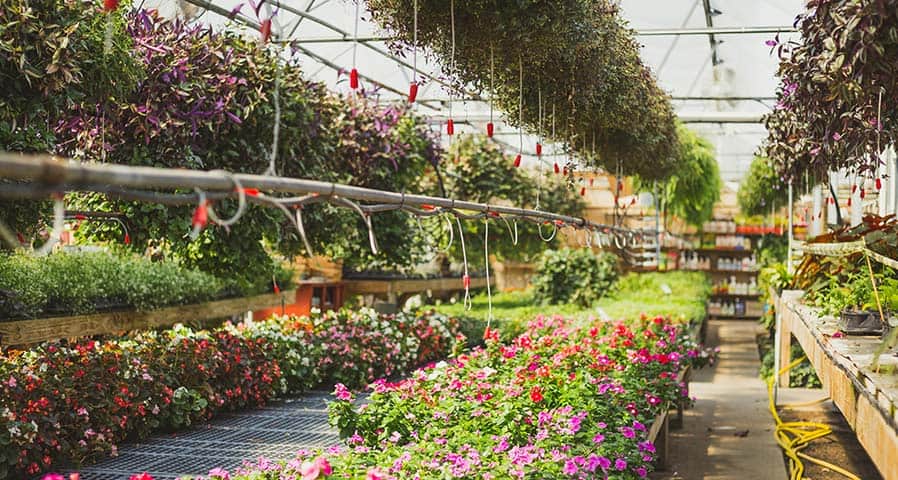
Supplemental lighting has become an essential tool for modern greenhouse operations. Whether you’re growing vegetables, herbs, flowers, seedlings, or specialty crops, the right lighting system can influence plant growth, crop quality, energy consumption, and overall profitability.
For years, High-Pressure Sodium (HPS) fixtures were considered the industry standard for greenhouse lighting. Today, advances in LED technology have transformed the horticultural lighting landscape, giving growers access to more efficient, controllable, and sustainable lighting solutions.
As greenhouse operators evaluate ways to improve productivity and reduce operating costs, several questions continue to emerge: Are LED grow lights better than HPS? Should I replace HPS grow lights with LEDs? What is the difference between HPS and LED grow lights? Can LEDs increase greenhouse crop production?
The answer depends on your operational goals, crop requirements, and long-term strategy. In this guide, we’ll compare HPS and LED grow lights, examine how each technology impacts greenhouse performance, and explore why many commercial growers are making the transition to LED lighting systems.
High-Pressure Sodium (HPS) fixtures are a type of High-Intensity Discharge (HID) lighting that produces light by passing electricity through vaporized sodium gas inside a sealed tube.
HPS systems became popular in commercial greenhouses because they deliver high light output and provide a spectrum rich in red and orange wavelengths that support flowering and fruiting crops.
However, HPS fixtures also generate significant heat and consume substantial amounts of electricity. While they remain in use today, many greenhouse operators are evaluating alternatives due to rising energy costs and increased pressure to improve sustainability.
Light-emitting diode (LED) fixtures produce light using semiconductor technology. Unlike HPS lamps, LEDs generate far less heat and can be engineered to deliver specific light spectra that support different stages of plant growth.
Modern horticultural LEDs offer full-spectrum lighting designed to support seedling development, vegetative growth, flowering, and crop finishing while consuming significantly less energy than traditional HPS systems.
The ability to tailor light output and integrate advanced controls has made LEDs increasingly attractive for greenhouse operators. Earlier greenhouse discussions highlighted LEDs’ ability to reduce energy use, provide customizable light spectrums, and minimize heat impacts on sensitive crops.
The biggest differences between HPS and LED grow lights are:
| Factor | HPS Grow Lights | LED Grow Lights |
| Energy Efficiency | Lower | Higher |
| Heat Production | High | Low |
| Spectrum Control | Limited | Full-spectrum and tunable |
| Maintenance | Frequent lamp replacements | Minimal maintenance |
| Fixture Lifespan | 10,000–24,000 hours | 50,000+ hours |
| Lighting Controls | Limited | Easily integrated |
| Operating Costs | Higher | Lower |
| Crop Environment Control | More challenging | Easier |
While both technologies can support healthy plant growth, LEDs provide greenhouse operators with significantly greater control over lighting performance and energy consumption.
For most greenhouse applications, the answer is yes.
LED technology has advanced dramatically over the past decade. Today’s commercial LED grow lights convert electricity into plant-usable light much more efficiently than HPS systems, meaning growers can provide the same, or even greater, light levels while using less energy and generating less heat.
This means LEDs convert more electricity into usable photosynthetic light and less into wasted heat.
The result is:
Although HPS fixtures typically have a lower upfront purchase price, greenhouse operators often recover the additional LED investment through energy savings, reduced maintenance, and longer fixture life.

Plants do not necessarily grow faster simply because the light source is LED. Growth rates depend on many factors, including light intensity, spectrum, temperature, irrigation, nutrition, and crop type.
However, LEDs allow greenhouse operators to optimize light recipes for specific crops and growth stages.
For example:
Because LEDs can deliver targeted wavelengths more efficiently than HPS systems, growers often achieve stronger plant uniformity, improved crop quality, and more predictable growth cycles.
Modern LED systems can produce yields equal to or greater than HPS lighting.
Numerous greenhouse studies and commercial installations have demonstrated that properly designed LED systems can match HPS production while using significantly less energy.
In many cases, growers report improvements in:
The key is proper lighting design. Simply replacing HPS fixtures with LEDs on a one-for-one basis without evaluating light levels, distribution, and crop requirements may limit performance.
Yes, LEDs can increase greenhouse crop production when implemented correctly.
Several factors contribute to improved production potential:
LED fixtures distribute light more uniformly across plant canopies, reducing hot spots and shaded areas.
Because LEDs produce less radiant heat, greenhouse operators gain greater control over temperature management.
Energy-efficient supplemental lighting can support year-round production and improve consistency during shorter daylight periods.
LED systems can be dimmed, scheduled, and integrated with greenhouse controls to deliver the exact amount of light crops need throughout the day.
Together, these benefits can help improve crop quality and overall greenhouse productivity.
Heat management is often the deciding factor when comparing HPS and LED systems.
HPS fixtures convert a significant portion of their energy into heat. This can create challenges such as:
LED fixtures generate substantially less heat, allowing operators to position fixtures closer to crops while maintaining more consistent growing conditions.
This becomes particularly important for temperature-sensitive crops and controlled-environment agriculture applications.
Learn More About Replacing Legacy Lighting with LEDs
High-pressure sodium (HPS) has long been the standard for greenhouse lighting, but it’s just one of several legacy technologies being replaced by LEDs. Across commercial, industrial, and horticultural applications, organizations are moving away from fluorescent, metal halide, and HID lighting in favor of LED systems that deliver greater energy efficiency, longer lifespans, improved light quality, and lower maintenance requirements.
Explore our lighting comparison guides to better understand how LED technology compares to traditional lighting systems and why so many facilities are making the switch. Then discover how an LED retrofit can modernize your lighting while reducing operating costs and improving performance.
👉 Read: Fluorescent Tubes vs. LED
👉 Read: HID vs. LED: A Look at Lumen Intensity
The answer depends on the goals of the greenhouse operation.
As energy prices continue to rise and greenhouse operators pursue greater operational efficiency, LEDs increasingly offer the strongest long-term value.
For most greenhouse operations, replacing aging HPS fixtures with LEDs is a strategic investment.
A conversion can provide:
Before making the transition, operators should evaluate:
A professional lighting assessment can help determine the optimal LED solution for specific greenhouse goals.
Are LED grow lights better than HPS?
For most greenhouse applications, LED grow lights outperform HPS systems because they offer higher efficiency, lower operating costs, longer lifespans, and better spectral control.
What is the difference between HPS and LED grow lights?
The primary differences are energy efficiency, heat output, lifespan, maintenance requirements, and spectrum flexibility. LEDs provide more control while consuming less electricity.
Do LED grow lights produce the same yields as HPS?
Yes. Modern horticultural LEDs can match or exceed HPS yields when designed and installed correctly for the crop and growing environment.
Do plants grow faster under LED lighting?
Plants can experience improved growth performance under LED lighting because growers can optimize light intensity and spectrum for specific crops and growth stages.
Can LEDs increase greenhouse crop production?
Yes. Improved light distribution, reduced heat stress, enhanced environmental control, and advanced lighting management can increase greenhouse productivity.
HPS lighting helped shape modern greenhouse production, but LED technology has fundamentally changed how growers approach supplemental lighting. Today’s horticultural LEDs deliver higher efficacy, lower energy consumption, longer lifespans, improved spectrum control, and greater operational flexibility than traditional HPS systems. While HPS fixtures may still serve certain applications, most greenhouse operators evaluating long-term performance, sustainability, and operating costs find that LEDs provide the strongest overall value.
Action Services Group can help evaluate your existing greenhouse lighting system, identify energy-saving opportunities, and design an LED retrofit strategy that supports healthier crops, lower operating costs, and improved greenhouse performance for years to come. To learn more, call 610-558-9773 or email [email protected] or schedule a call.
When retrofitting your LEDs, lightbulbs have various illuminance. Theres different ways to measure the lighting of…
Understanding light measurements, luminance and foot-candle can help when choosing the perfect bulb for you next…
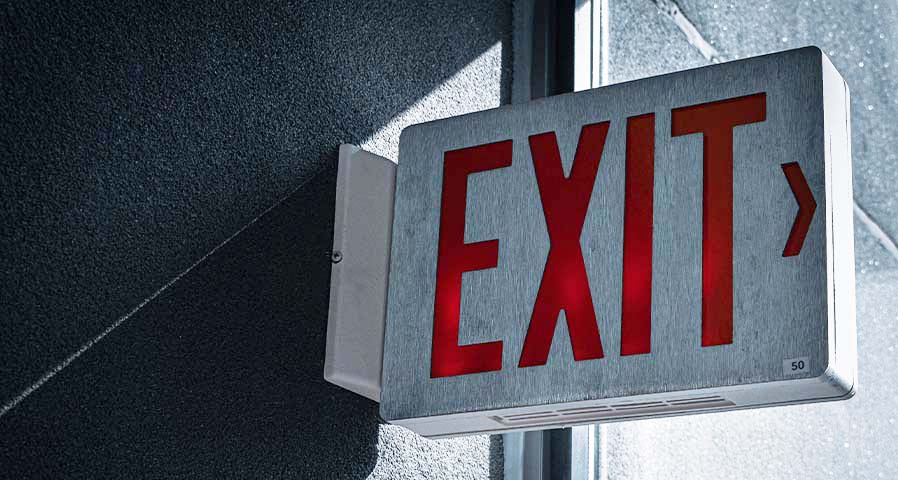
Exit signs and emergency lighting need to be in accordance with the NFPA, OSHA, and other…
When retrofitting your LEDs, lightbulbs have various illuminance. Theres different ways to measure the lighting of your next retrofit.
Understanding light measurements, luminance and foot-candle can help when choosing the perfect bulb for you next retrofit.
Exit signs and emergency lighting need to be in accordance with the NFPA, OSHA, and other state or local ordinances.