

Lighting Measurements – An In-depth Guide Part 1
When retrofitting your LEDs, lightbulbs have various illuminance. Theres different ways to measure the lighting of…

LED lighting is the most widely used energy-efficient lighting technology in commercial buildings, homes, and public infrastructure. Compared with incandescent lamps and fluorescent lamps, LED lighting provides longer lifespans, lower energy consumption, and reduced maintenance requirements. As organizations prioritize energy efficiency and facility modernization, LED lighting continues to replace legacy lighting technologies across industries.
What are some interesting facts about LED lighting technology?
LED stands for light-emitting diode. LED lighting produces illumination by passing an electrical current through a semiconductor diode that emits light.
Unlike incandescent lamps that generate light by heating a filament, LED lighting converts most of its energy directly into visible light. This makes LED lighting highly energy-efficient compared with traditional incandescent lamps and fluorescent lamps.
LED lighting technology has existed since the early 1960s. The first visible-spectrum LED was developed in 1963 by inventor Nick Holonyak Jr.
Although the technology has been around for decades, early LEDs were expensive and dim. Advances in semiconductor manufacturing and lighting design eventually made LED lighting affordable and widely available for residential and commercial applications.

LED lighting systems are known for their long lifespan, often lasting many years longer than traditional lighting technologies. Under normal operating conditions, LED lamps can last for decades before needing replacement.
Unlike conventional lamps that fail suddenly, LED lighting gradually experiences lumen depreciation, meaning light output slowly decreases over time rather than abruptly stopping.
LED lighting is considered energy efficient because it converts most electrical energy into light rather than heat.
Traditional incandescent lamps waste approximately 90 percent of their energy as heat, while LED lighting directs most electrical energy toward producing illumination. This efficiency helps reduce electricity consumption in commercial facilities, offices, warehouses, and homes.
| Performance Metric | Incandescent Lamps | Fluorescent Lamps | Mercury Vapor Lamps | Metal Halide Lamps | LED Lighting |
| Typical Lifespan | ~1,000 hours | 10,000–15,000 hours | 16,000–24,000 hours | 6,000–15,000 hours | 50,000+ hours |
| Energy Efficiency | Low | Moderate | Moderate | Moderate–High | High |
| Heat Generation | Very High | Moderate | High | High | Very Low |
| Maintenance Frequency | High | Moderate | Moderate | Moderate | Low |
LED lighting is environmentally friendly because it consumes less energy and contains no mercury.
Fluorescent lamps contain small amounts of mercury that require careful disposal procedures. LED lighting systems are mercury-free, and many components can be recycled, reducing environmental impact and supporting sustainability initiatives in commercial facilities.
LED lighting can support workplace productivity by improving light quality and reducing eye strain.
Many LED lighting systems allow facility managers to adjust color temperature and brightness levels. Cooler light tones can help increase alertness and concentration, while warmer tones create a more comfortable environment for extended work periods.
LED lighting can help limit bacterial growth in certain types of fresh food displays.
Compared with fluorescent lamps and halogen lighting, LED lighting produces less heat and certain light spectrums that may slow bacterial growth on displayed food products. This makes LED lighting beneficial in grocery stores and refrigerated display environments.
LED lighting systems are typically more durable than traditional lighting technologies because they use solid-state components instead of fragile filaments or glass tubes.
Incandescent lamps can shatter easily when dropped, and CFL lamps contain glass and mercury components that require special cleanup procedures. LED lamps are more resistant to vibration and external damage, making them suitable for commercial and industrial environments.
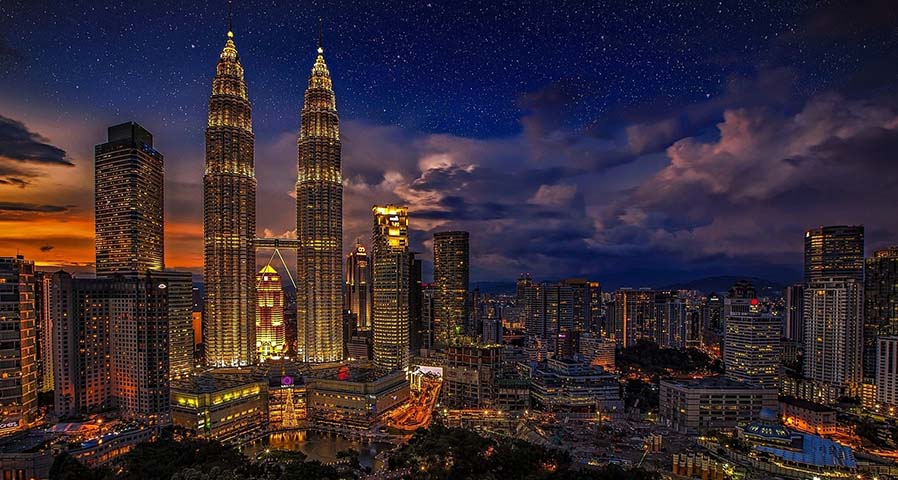
LED lighting is widely used at global landmarks and large public events due to its brightness, durability, and energy efficiency.
For example:
These installations demonstrate how LED lighting can create dramatic visual effects while maintaining high levels of energy efficiency.
Yes. LED lighting reduces costs through lower energy consumption, longer lifespans, and reduced maintenance requirements.
For example, if all holiday lighting in the United States were converted to LED lighting, the country could save approximately $17 billion in electricity costs. Businesses also benefit from fewer lamp replacements and reduced facility maintenance expenses.
Upgrade Your Facility with Turnkey LED Retrofit Solutions
Outdated lighting systems can drive up energy costs, increase maintenance demands, and impact overall facility performance. Action Services Group delivers turnkey LED retrofit solutions designed to improve efficiency, reduce operating expenses, and enhance lighting quality across commercial spaces.
From site audits and product selection to installation, controls integration, and rebate management, our team handles every phase of your LED upgrade to ensure a seamless, cost-effective transition.
Connect with our experts to evaluate your facility and build a retrofit strategy that maximizes savings and long-term performance.
👉 Learn More About LED Retrofit Solutions
👉 Schedule a Call With an Expert
Yes. Many utilities, state programs, and regional energy efficiency initiatives offer commercial rebates for LED lighting upgrades that replace incandescent lamps and fluorescent lamps with energy efficient LED systems.
Most rebate programs require ENERGY STAR®-certified products or DesignLights Consortium (DLC)- qualified lighting products to ensure the equipment meets verified performance and efficiency standards. These requirements help utilities confirm that LED lighting installations deliver measurable energy savings and long-term reliability.
Rebate programs commonly support:
By installing ENERGY STAR or DLC-qualified LED lighting products, organizations may significantly reduce project costs through utility incentives while improving building energy efficiency and lighting performance.
Organizations planning LED upgrades should review available rebate programs or work with specialists who manage incentive applications, documentation, and utility approval processes.
What Does LED Stand For?
LED stands for light-emitting diode, a semiconductor device that produces light when an electrical current flows through it.
How Long Do LED Lights Last?
LED lighting systems can last 50,000 hours or more, depending on usage and operating conditions.
Why Is LED Lighting More Energy Efficient Than Incandescent Lamps?
LED lighting converts most of the electrical energy directly into light, while incandescent lamps waste most of the energy as heat.
Are LED Lights Environmentally Friendly?
Yes. LED lighting is mercury-free, consumes less electricity, and many components can be recycled.
Do LED Lights Save Money?
Yes. LED lighting reduces electricity consumption and maintenance costs because of its long lifespan and energy efficiency.
LED lighting is used everywhere, from global landmarks to commercial facilities and retail environments. Organizations planning a commercial lighting upgrade or LED retrofit often benefit from expert guidance when evaluating fixtures, controls, and system performance.
Action Services Group provides nationwide LED lighting services, including lighting design, LED retrofit projects, commercial lighting upgrades, lighting maintenance, and turnkey project management for multi-site facilities.
Schedule a call with our lighting specialists to discuss your LED lighting upgrade and learn how modern LED lighting systems can improve energy efficiency, reduce maintenance costs, and enhance lighting performance across your facilities. Call 610-558-9773, email [email protected], or schedule a call that fits your needs by clicking the button below.
When retrofitting your LEDs, lightbulbs have various illuminance. Theres different ways to measure the lighting of…
Understanding light measurements, luminance and foot-candle can help when choosing the perfect bulb for you next…
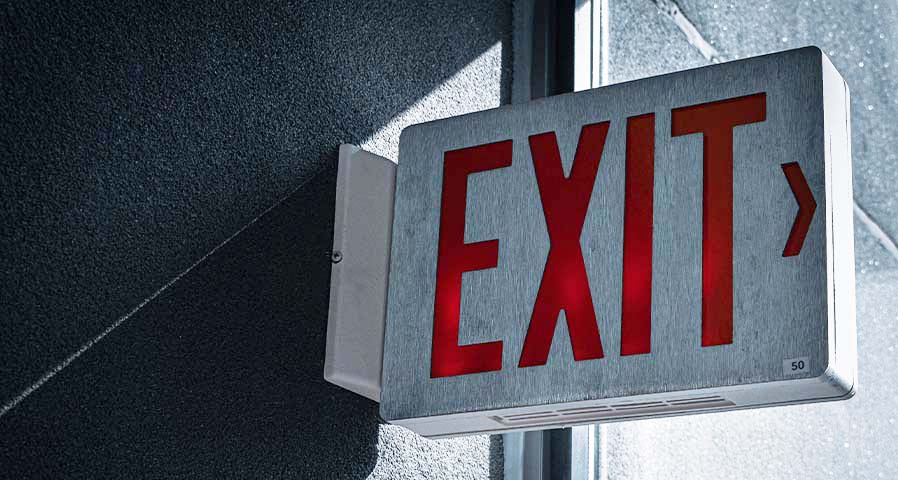
Exit signs and emergency lighting need to be in accordance with the NFPA, OSHA, and other…
When retrofitting your LEDs, lightbulbs have various illuminance. Theres different ways to measure the lighting of your next retrofit.
Understanding light measurements, luminance and foot-candle can help when choosing the perfect bulb for you next retrofit.
Exit signs and emergency lighting need to be in accordance with the NFPA, OSHA, and other state or local ordinances.