

Lighting Measurements – An In-depth Guide Part 1
When retrofitting your LEDs, lightbulbs have various illuminance. Theres different ways to measure the lighting of…

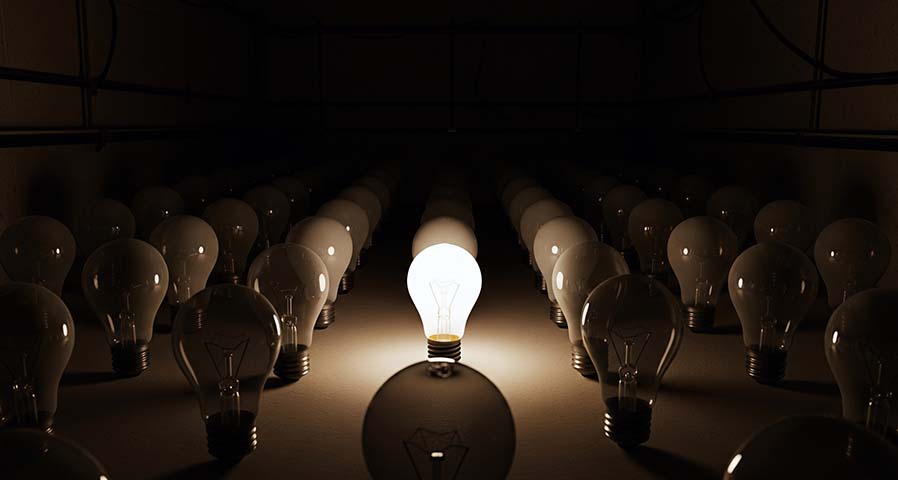
LED lighting is well known for its long life and low maintenance, but even the best systems will eventually get dimmer or stop working. Understanding what “end-of-life” really means and what causes LED failure helps building owners, facility managers, and maintenance teams make smarter choices regarding design, installation, and upkeep.
Unlike incandescent or halogen bulbs that suddenly burn out when a thin wire inside breaks, LEDs usually fade slowly over time. LED end-of-life is based on brightness loss, not when the light completely shuts off.
Brightness is measured in lumens. In simple terms, lumens tell you how bright a light looks, the higher the lumens, the brighter the light. Most manufacturers use the L70 standard, which means light is considered at the end of its useful life when it has dropped to 70 percent of its original brightness. The fixture may still turn on, but it may no longer be bright enough for safety, productivity, or appearance.
Testing methods like LM-80 and TM-21 are used in laboratories to see how fast LEDs lose brightness and estimate their lifespan. These tests are done under ideal conditions with steady temperatures and clean power. In real buildings, heat, electrical issues, and environment are rarely perfect, which is why LED failure can happen sooner than the label suggests.

Heat is the number one enemy of LEDs. Even though they feel cool compared to old bulbs, the tiny light-producing parts inside still generate heat. This heat must escape through metal heat sinks and the fixture body. If airflow is poor or the fixture is too enclosed, heat builds up and slowly damages the light. Higher temperatures make the LED dim faster and can permanently shorten its life.
Every LED has a driver, which is like a power manager that changes building electricity into the type of power the LED needs. If the driver is low quality or exposed to power surges, lightning, or unstable voltage, it may fail long before the LED itself wears out. Flickering, sudden shutoff, or inconsistent brightness are often signs of driver failure.
Inside every LED are tiny layers, wires, and coatings. If cheap materials are used, these parts can discolor, crack, or loosen over time. Poor solder connections can create hot spots, accelerate wear and cause sudden failure.
The clear materials around the LED chip can slowly yellow or cloud due to heat and light exposure. This blocks some of the light and can change its color. Repeated heating and cooling can also cause these materials to crack or separate.
Too much current, the wrong type of dimmer, static electricity during installation, or incorrect wiring can all damage delicate electronic parts. This stress can shorten life or cause instant failure.
Moisture, dust, chemicals, vibration, and extreme temperatures all take a toll on LED systems. Water can corrode parts, dust can trap heat, and chemicals can break down seals and coatings. Outdoor and industrial fixtures must be properly sealed and rated for these conditions.
If an LED is installed in a tight space with no room for heat to escape, its life will be much shorter. Using the wrong housing, incorrect wiring, or fixtures not designed for wet or hot locations can also lead to early failure.
Although most LEDs fade gradually, sudden failure can happen when a key part breaks. Common causes include:
In these cases, the system never reaches its expected L70 point because one critical component fails first.
Don’t Replace Failing LEDs Without a Plan
Premature LED failures can be caused by product selection, application mismatch, controls issues, or power quality, not just age. Learn more about our LED Retrofit and Next Gen LED solutions to understand when a full upgrade makes sense versus a targeted LED-to-LED replacement.
Our team provides a fully turn-key approach, including product sourcing, installation, project oversight, and rebate recovery. Schedule a call to evaluate your fixtures and avoid repeat failures.
👉 LED Retrofit Solutions
👉 Next Gen LED Solutions
👉 Schedule a Call
Choose fixtures with solid metal heat sinks and proper ventilation. Avoid placing high-output LEDs in sealed spaces unless they are designed for it.
Use high-quality drivers with built-in protection against power spikes, especially for outdoor and industrial locations.
Make sure fixtures are rated for moisture, dust, chemicals, and temperature extremes in their environment.
Only use dimmers and control systems made specifically for LEDs to avoid flicker and electrical stress.
Correct wiring, grounding, and spacing help keep temperatures and voltage stable. Periodic inspections can catch early signs of overheating or component wear.
LEDs can last a very long time, but their real-world lifespan depends on heat, power quality, materials, environment, and installation. LED end-of-life usually means the light has slowly become too dim, while LED failure often happens when heat or electrical stress damages a key component. By understanding these causes and planning for them, building owners can get the full value, efficiency, and reliability that LED lighting is designed to deliver.
Action Services Group has decades of experience replacing and upgrading to next generation LEDs and other lighting that has reached the end of their lifespan. To learn the next steps of getting new lighting, call 610-558-9773, email [email protected], or schedule a consultation that fits your needs.
When retrofitting your LEDs, lightbulbs have various illuminance. Theres different ways to measure the lighting of…
Understanding light measurements, luminance and foot-candle can help when choosing the perfect bulb for you next…
Exit signs and emergency lighting need to be in accordance with the NFPA, OSHA, and other…
When retrofitting your LEDs, lightbulbs have various illuminance. Theres different ways to measure the lighting of your next retrofit.
Understanding light measurements, luminance and foot-candle can help when choosing the perfect bulb for you next retrofit.
Exit signs and emergency lighting need to be in accordance with the NFPA, OSHA, and other state or local ordinances.