

Lighting Measurements – An In-depth Guide Part 1
When retrofitting your LEDs, lightbulbs have various illuminance. Theres different ways to measure the lighting of…

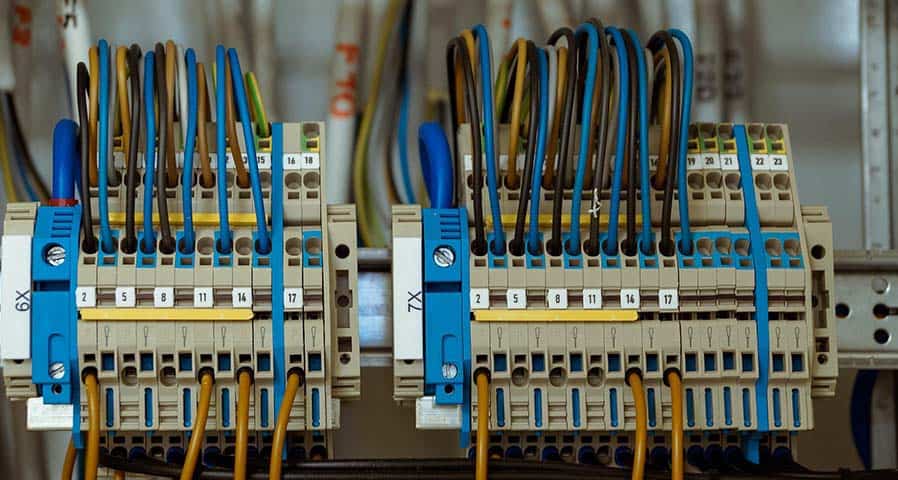
This blog was originally published July 14, 2022, and has been updated June 17, 2026.
Modern commercial buildings rely on more electricity than ever before. HVAC systems, LED lighting controls, building automation systems, manufacturing equipment, data centers, and electric vehicle charging stations all place significant demands on electrical infrastructure.
Unfortunately, many commercial facilities still operate on electrical systems designed decades ago. As businesses grow and technology advances, outdated electrical infrastructure can struggle to support increasing power requirements. The result can be frequent outages, equipment failures, safety hazards, and costly downtime.
Recognizing the signs of an overloaded electrical system can help businesses address problems before they become expensive emergencies.
Is your commercial electrical system keeping up with today’s power demands?
A commercial electrical upgrade is the process of modernizing a facility’s electrical infrastructure to support current and future power demands safely. Electrical upgrades may include increasing service capacity, replacing outdated electrical panels, adding circuits, upgrading wiring, or improving power distribution equipment.
Businesses often invest in electrical upgrades when expanding operations, adding new equipment, upgrading HVAC systems, installing LED lighting systems, or implementing smart building technologies.
The goal is to ensure the electrical system can safely and efficiently support the building’s operational requirements without overloading circuits or creating safety risks.
Commercial buildings outgrow their electrical systems when power demand exceeds the capacity of the original infrastructure. Many facilities were built before today’s technology-driven workplaces and industrial environments became common.
Over time, businesses often add:
While these upgrades improve operations, they also increase electrical demand. Without corresponding infrastructure improvements, the electrical system can become overloaded.

Circuit breakers are designed to shut off power when circuits exceed safe operating limits. If breakers trip regularly, the system may be carrying more electrical load than it was designed to handle.
While occasional breaker trips can occur, recurring interruptions are often one of the clearest signs that additional electrical capacity is needed.
Lights that flicker, dim, or fluctuate when equipment starts up often indicate overloaded circuits or voltage instability.
This issue commonly appears in facilities that have added equipment or technology without upgrading the underlying electrical infrastructure.
Equipment that unexpectedly powers down may be experiencing voltage drops caused by overloaded electrical circuits.
Sensitive equipment, computers, refrigeration systems, and manufacturing machinery are especially vulnerable to unstable power conditions.
Electrical panels, breakers, outlets, and wiring should not feel excessively warm during normal operation.
Heat buildup can indicate overloaded circuits, deteriorating connections, or failing electrical components that require immediate attention.
Electrical systems should operate quietly. Buzzing, humming, or crackling noises coming from electrical panels, outlets, or fixtures may indicate excessive current flow or component failure.
A qualified commercial electrician should always investigate these warning signs.
A burning smell near electrical equipment often indicates overheated wiring or electrical arcing.
Discolored outlets, melted insulation, or scorched electrical components present serious fire risks and should be addressed immediately.
If extension cords and power strips have become permanent solutions throughout your facility, the building may lack sufficient outlets or circuit capacity.
This often indicates that additional circuits, subpanels, or service upgrades are needed.
Overloaded commercial electrical systems present immediate risks of electrical fires, equipment failure, costly downtime, code violations, and workplace safety hazards. When circuits are forced to carry more power than they were designed to handle, excess heat builds up throughout the electrical system.
Over time, this stress can damage wiring, breakers, panels, and connected equipment. In severe cases, overloaded systems can lead to catastrophic electrical failures that disrupt operations and threaten employee safety.
Common consequences of overloaded electrical systems include:
Proactively identifying overload conditions helps businesses avoid these costly outcomes.
A professional load calculation and electrical assessment is the most reliable way to determine whether a commercial electrical system has sufficient capacity. These evaluations provide a clear understanding of current electrical demand and future expansion capabilities.
During an assessment, electricians typically evaluate:
Load calculations help identify potential overload conditions and determine whether upgrades are necessary.
Is Your Building Ready for an Electrical Upgrade?
Before planning an electrical upgrade, it’s important to understand the role your electrical panels and power distribution systems play in overall building performance. We recommend reading A Guide to Commercial Electrical Panels and Your Building’s Power, to gain a better understanding of the infrastructure that supports your facility.
Then, visit our Electrical Project Solutions page to learn how Action Services Group helps organizations modernize electrical systems, increase capacity, improve reliability, and prepare facilities for future growth.
When you’re ready, schedule a call with our electrical experts to discuss your building’s needs and determine whether an electrical upgrade is the right next step.
👉 Read: A Guide to Commercial Electrical Panels and Your Building’s Power
👉 Explore Electrical Project Solutions
👉 Schedule a Call with Our Electrical Experts
The best upgrade depends on the facility’s age, existing infrastructure, and future power requirements.
| Electrical Upgrade | Purpose |
| Subpanel Installation | Adds circuits without replacing the main panel |
| Electrical Panel Upgrade | Increases available electrical capacity |
| Service Upgrade | Delivers more utility power to the facility |
| Circuit Expansion | Supports new equipment and work areas |
| Wiring Replacement | Improves safety and reliability |
| Surge Protection Installation | Protects sensitive equipment from power fluctuations |
| Switchgear Modernization | Improves electrical distribution performance |
In some cases, adding a subpanel may provide enough capacity for future growth. In other situations, a complete panel replacement or service upgrade may be necessary.
Businesses can future-proof their electrical systems by designing upgrades around projected growth rather than current power demand alone. Planning helps prevent the repetition of infrastructure projects and supports long-term operational goals.
Before upgrading, consider:
Building future capacity into an electrical upgrade often reduces overall costs and minimizes operational disruptions later.
How old should a commercial building be before considering an electrical upgrade?
Age alone does not determine whether an upgrade is necessary, but many commercial buildings over 15 to 20 years old were not designed to support today’s electrical demands. A professional assessment can determine whether the existing system remains adequate.
How often should commercial electrical systems be inspected?
Most commercial facilities should undergo electrical inspections every three to five years. Buildings with heavy equipment, industrial operations, or older infrastructure may benefit from more frequent evaluations.
What is the difference between a panel upgrade and a service upgrade?
A panel upgrade replaces or expands the building’s electrical panel, while a service upgrade increases the amount of power delivered from the utility provider. Some facilities require both improvements to meet growing demand.
Can an outdated electrical system increase operating costs?
Yes. Aging electrical systems can reduce efficiency, contribute to equipment problems, and increase maintenance expenses. Modernized electrical infrastructure often improves reliability and operational performance.
Should businesses upgrade their electrical systems before expanding?
Yes. Evaluating electrical capacity before installing new equipment or expanding operations helps ensure the infrastructure can safely support the additional load and prevents costly delays later.
A reliable electrical system is essential for safe operations, business continuity, and future growth. Whether your facility needs additional circuits, a panel upgrade, service expansion, or a complete electrical assessment, proactive planning can help prevent costly downtime and safety issues.
Action Services Group provides comprehensive commercial electrical services, including electrical upgrades, power distribution improvements, infrastructure modernization, and system evaluations. Our experienced electrical professionals help businesses identify capacity concerns, improve reliability, and prepare their facilities for future growth.
Contact Action Services Group today to schedule an electrical system evaluation and learn how a commercial electrical upgrade can improve the safety, efficiency, and performance of your facility. Call 610-558-9773, email [email protected], or schedule a call that fits your needs by clicking the button below!

When retrofitting your LEDs, lightbulbs have various illuminance. Theres different ways to measure the lighting of…

Understanding light measurements, luminance and foot-candle can help when choosing the perfect bulb for you next…

Exit signs and emergency lighting need to be in accordance with the NFPA, OSHA, and other…
When retrofitting your LEDs, lightbulbs have various illuminance. Theres different ways to measure the lighting of your next retrofit.
Understanding light measurements, luminance and foot-candle can help when choosing the perfect bulb for you next retrofit.
Exit signs and emergency lighting need to be in accordance with the NFPA, OSHA, and other state or local ordinances.