

Lighting Measurements – An In-depth Guide Part 1
When retrofitting your LEDs, lightbulbs have various illuminance. Theres different ways to measure the lighting of…

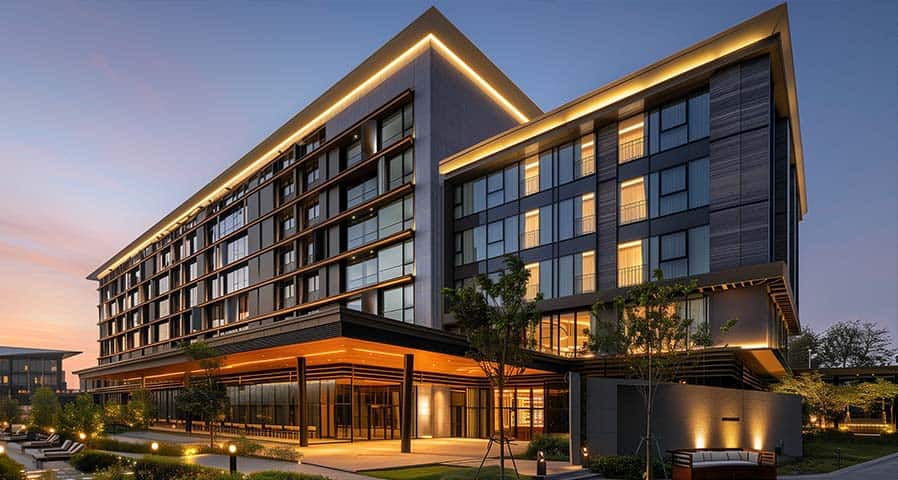
Managing exterior lighting across multiple properties is a major operational responsibility for landlords and property owners. Parking lots, walkways, building perimeters, signage, garages, and shared outdoor spaces all require consistent lighting for safety, tenant satisfaction, and regulatory compliance. Yet for many landlords, exterior lighting remains one of the most fragmented and labor-intensive aspects of property oversight.
Multi-property exterior lighting management offers landlords a strategic way to streamline responsibilities and significantly reduce operating costs. Modern centralized control platforms allow owners to monitor, schedule, automate, and troubleshoot all exterior lighting, across multiple buildings or even entire portfolios, from one dashboard. When combined with LED fixtures, advanced controls turn lighting into a predictable, low-touch, highly efficient asset rather than a recurring headache.
Exterior lighting is a public-facing component of your property. It influences safety, compliance, tenant experience, and property value. When lighting failures occur, whether a dark parking lot, flickering pole light, or inconsistent nighttime illumination, tenants and visitors notice. Without centralized oversight, small issues can go undetected for weeks.
The challenge compounds for landlords with large portfolios. Each building may rely on different timers, photocells, maintenance schedules, or legacy systems. The result is inefficiency, wasted energy, higher labor costs, and unpredictable nighttime performance.
Multi-property exterior lighting management addresses these challenges directly by giving landlords the tools to standardize and automate exterior lighting across all assets.

Centralized lighting control systems allow property owners to monitor and operate exterior lighting using a unified dashboard. These systems can integrate photosensors, timers, dimming functions, fault detection, and even smart diagnostics. They also support portfolio-wide schedules, real-time alerts, and performance reporting.
This is where the advantages multiply for landlords who own or manage multiple properties.
Photosensor-based dusk-to-dawn lighting remains one of the most efficient and reliable forms of exterior light automation. The system turns lights on when natural daylight is insufficient (during dusk, storms, or early sunset seasons) and off when daylight returns.
Benefits include:
For multi-property owners, standardized dusk-to-dawn control eliminates the common problem of inconsistent schedules or tenants reporting lights that turn on too late or stay on too long.
Timers allow landlords to create consistent on/off schedules across numerous buildings, which is especially helpful for properties with predictable operating hours, such as retail centers, office parks, or multifamily complexes with controlled access points.
Advantages:
With centralized management, schedules can be updated portfolio-wide in seconds with no manual adjustments at each site.
Smart controls build on basic timers and sensors by enabling full remote management. These systems use IoT-connected controllers to gather data, adjust lighting output, and communicate performance metrics.
For landlords managing multiple properties, smart controls offer powerful capabilities:
Networked lighting controls also provide valuable maintenance analytics. Instead of waiting for tenants to report a burnt-out pole light, alerts can be sent to property managers or service vendors automatically. This improves safety, minimizes downtime, and reduces costly emergency repairs.
Centralized controls eliminate unnecessary runtime and prevent lights from running during daylight hours, which is a frequent issue with unmonitored exterior systems. When paired with LED fixtures, landlords can significantly reduce utility costs across their portfolio.
Exterior safety is a major concern for commercial tenants, residents, and visitors. Centralized control ensures every property meets uniform lighting standards so no dark zones, inconsistent illumination, or lighting failures that go unnoticed.
Networked systems allow for:
This eliminates guesswork, improves service response times, and reduces labor spent manually checking exterior lights.
With multi-property exterior lighting management, landlords can operate their entire lighting infrastructure from a single platform. Seasonal changes, holiday schedules, daylight adjustments, and emergency overrides can be implemented with one action rather than repeating the same task for every property.
Well-lit properties feel safer, more professional, and better managed. Tenants notice when walkways, parking lots, and entrances are consistently lit. Exterior lighting reliability is a factor that directly contributes to tenant satisfaction and lease renewals.
Properties with LED lighting and smart controls are more attractive to buyers, inspectors, tenants, and lenders. Modern exterior lighting demonstrates proactive management, reduced long-term costs, and improved safety standards.

Landlords can begin implementing centralized exterior lighting controls by following these steps:
Multi-property exterior lighting management is becoming a necessity for portfolio efficiency, cost control, and tenant safety. By adopting centralized controls, landlords benefit from streamlined operations, reduced utilities, fewer emergency maintenance calls, and significantly improved nighttime visibility across all properties.
For landlords seeking predictable performance, reduced operational friction, and long-term savings, centralized exterior lighting control systems represent one of the smartest investments available today. Action Servies Group offers LED retrofits and advanced lighting control solutions for all industries. To learn more, call 610-558-9773, email [email protected], or schedule a consultation that fits your schedule.

When retrofitting your LEDs, lightbulbs have various illuminance. Theres different ways to measure the lighting of…
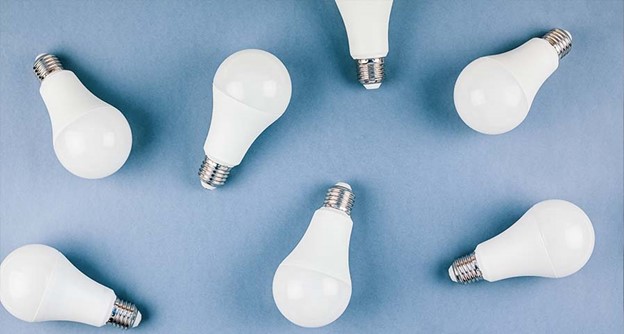
Understanding light measurements, luminance and foot-candle can help when choosing the perfect bulb for you next…

Exit signs and emergency lighting need to be in accordance with the NFPA, OSHA, and other…
When retrofitting your LEDs, lightbulbs have various illuminance. Theres different ways to measure the lighting of your next retrofit.
Understanding light measurements, luminance and foot-candle can help when choosing the perfect bulb for you next retrofit.
Exit signs and emergency lighting need to be in accordance with the NFPA, OSHA, and other state or local ordinances.