

Lighting Measurements – An In-depth Guide Part 1
When retrofitting your LEDs, lightbulbs have various illuminance. Theres different ways to measure the lighting of…

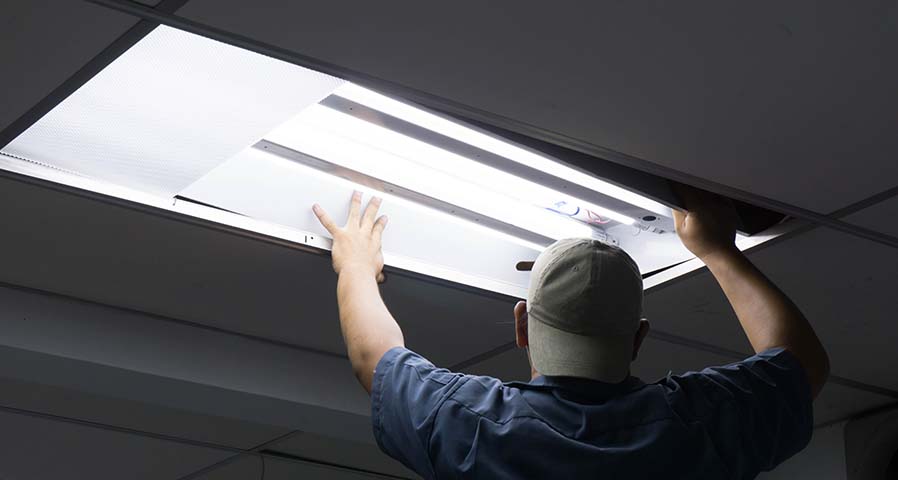
Lighting systems often go unnoticed until performance begins to decline or operational issues arise. Whether a facility uses fluorescent lamps or modern LED lighting, every lighting technology eventually reaches the end of its useful life. Recognizing early warning signs helps facility managers maintain visual comfort, support facility lighting maintenance planning, and identify the right time for a commercial lighting upgrade.
What are the most common signs that fluorescent lamps and LED lighting systems are failing?

Fluorescent lamps have long been widely used in offices, healthcare facilities, schools, and retail environments due to their improved efficiency compared to incandescent lighting. However, as fluorescent lamps age, several visible symptoms begin to appear.
One of the most common warning signs is darkening at the ends of the lamp tube. Black rings near the electrodes indicate electrode deterioration and declining internal chemistry.
Flickering is another frequent indicator that fluorescent lamps are nearing the end of life. While ballast problems can sometimes cause flickering, persistent flashing is often a signal that the lamp itself is failing.
Slow startup or delayed warm-up is another red flag. Aging fluorescent lamps may take longer to reach full brightness as gas pressure and phosphor coatings deteriorate.
Facilities may also notice dimming, uneven light distribution, or buzzing sounds from fixtures. These issues can reduce visual comfort and productivity while increasing maintenance demands.
For organizations managing large facilities, recognizing these symptoms is an important part of proactive facility lighting maintenance. It helps determine when an LED retrofit or commercial lighting upgrade should be considered.
| Symptom | What It Indicates | Operational Impact |
| Darkened tube ends | Electrode deterioration | Reduced lamp life |
| Flickering | Lamp nearing end of life or ballast instability | Visual discomfort |
| Slow startup | Gas pressure or phosphor degradation | Delayed illumination |
| Dimming | Declining light output | Reduced task visibility |
| Buzzing or humming | Electrical instability | Potential ballast failure |
LED lighting systems are known for long operational lifespans, but they degrade differently from fluorescent lamps. Instead of burning out suddenly, LEDs typically experience a gradual decline in performance.
The most common indicator is lumen depreciation. Over time, LED fixtures gradually produce less light. When light levels drop to approximately 70% of their original output, the fixture has reached the L70 lifetime threshold.
Flickering or intermittent operation may also occur. This can indicate a failing LED driver, loose electrical connections, or thermal stress within the fixture.
Color shift is another warning sign. LED lighting that once produced neutral white light may begin appearing yellow, blue, or green as LED chips and phosphor materials degrade.
Thermal issues can also shorten LED lifespan. Fixtures installed in poorly ventilated housings may experience overheating, leading to driver failure, buzzing, or inconsistent illumination.
Recognizing these warning signs allows facility managers to plan energy-efficient lighting upgrades before performance levels drop below safety or operational requirements.
| Symptom | Likely Cause | Impact on Facility Lighting |
| Lumen depreciation | Normal LED aging | Reduced illumination levels |
| Flickering | Driver failure or loose connections | Visual discomfort |
| Color shift | Phosphor degradation | Inconsistent lighting appearance |
| Intermittent shutdown | Thermal stress | Unreliable lighting |
| Buzzing | Electrical driver issues | Potential fixture failure |
When fluorescent lamps begin failing, facilities often face a decision between simple lamp replacement and a broader commercial lighting upgrade.
For many organizations, this presents the ideal opportunity to transition to LED lighting through an LED retrofit. Modern LED systems offer significantly improved performance compared to traditional fluorescent technology.
Common benefits of an LED retrofit include:
Businesses that upgrade to the latest lighting technology see improved optical design, better thermal management, and longer-lasting LED drivers.
For organizations managing multi-site portfolios, a proactive LED retrofit strategy can significantly reduce operating costs while improving lighting performance across facilities.
Understand the Upgrade Before You Replace
If your fluorescent lamps are showing signs of failure, the next step isn’t always obvious. Before making a decision, read Fluorescent Tubes vs. LED for a clear comparison of performance, lifespan, energy savings, and upgrade options.
When you’re ready, schedule a call with our lighting experts to review your fixtures and determine the best path forward.
👉 Read: Fluorescent Tubes vs. LED
👉 Schedule a Call With a Lighting Expert
Lighting upgrades become even more effective when combined with modern lighting controls. Technologies such as occupancy sensors automatically turn off lights when spaces are unoccupied, while daylight-harvesting systems adjust lighting levels based on available natural daylight.
Networked lighting controls can also schedule lighting operations, monitor system performance, and support building automation platforms. These technologies help reduce unnecessary lighting operation and can drive an additional 20–50 percent reduction in energy consumption beyond LED upgrades alone.
Combining LED lighting with lighting controls is one of the most effective strategies for achieving long-term energy efficient lighting and improving facility lighting management.
What are the most obvious signs that fluorescent lamps are failing?
Common signs include dark rings at the ends of fluorescent lamps, flickering lights, slow startup, dimming illumination, and buzzing sounds from fixtures.
Do LED lighting systems burn out like fluorescent lamps?
No. LED lighting typically does not burn out suddenly. Instead, LED fixtures gradually lose brightness through lumen depreciation.
What does L70 lifetime mean in LED lighting?
The L70 lifetime is the point at which an LED fixture produces 70% of its original light output. This is commonly used to define the useful operating life of LED lighting systems.
When should a facility consider an LED retrofit?
Facilities often consider an LED retrofit when fluorescent lamps begin failing, maintenance costs increase, or organizations want to improve energy efficiency and lighting performance.
Can lighting controls improve energy savings?
Yes. Technologies such as occupancy sensors, daylight harvesting, and networked lighting controls can reduce lighting energy consumption by an additional 20–50 percent.
Are rebates available for LED lighting upgrades?
Yes. Many utility companies and regional energy efficiency programs offer rebates for LED lighting upgrades and LED retrofit projects to help offset installation costs. Businesses planning a commercial lighting upgrade should review available programs or work with a rebate specialist to identify eligible incentives.
Lighting performance issues rarely appear overnight. They develop gradually through flickering, dimming, slow startup, or color shifts, signaling that lamps and fixtures are reaching the end of their lifecycle.
Recognizing the signs that your fluorescent lamps are failing and that your LED lighting systems are degrading allows facility teams to plan proactive upgrades rather than react to sudden failures.
If you are ready to evaluate your current lighting system and explore LED retrofit opportunities, contact Action Services Group at 610-558-9773, email [email protected], or schedule a consultation to discuss your next commercial lighting upgrade.
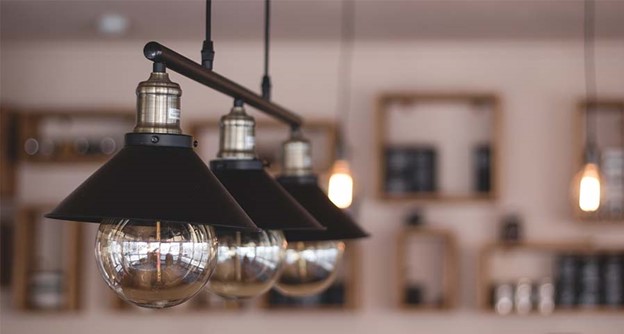
When retrofitting your LEDs, lightbulbs have various illuminance. Theres different ways to measure the lighting of…
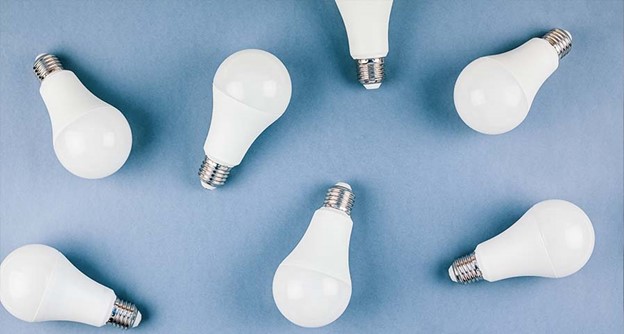
Understanding light measurements, luminance and foot-candle can help when choosing the perfect bulb for you next…
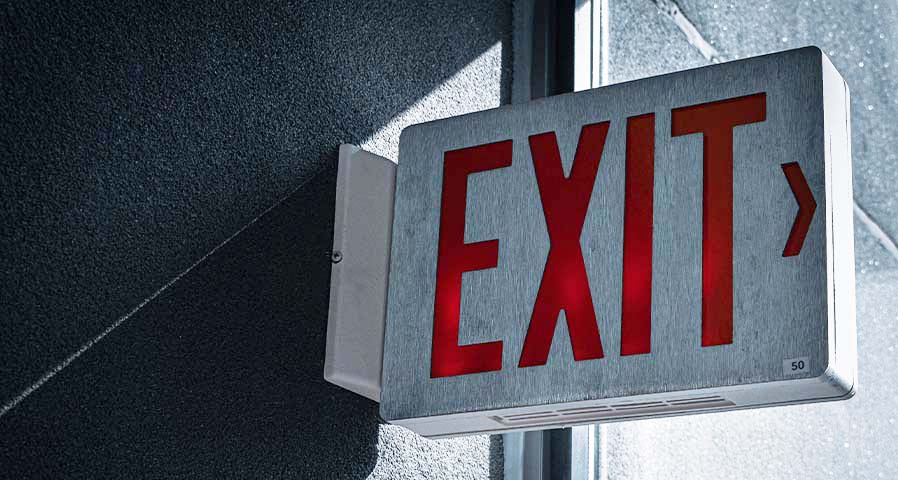
Exit signs and emergency lighting need to be in accordance with the NFPA, OSHA, and other…
When retrofitting your LEDs, lightbulbs have various illuminance. Theres different ways to measure the lighting of your next retrofit.
Understanding light measurements, luminance and foot-candle can help when choosing the perfect bulb for you next retrofit.
Exit signs and emergency lighting need to be in accordance with the NFPA, OSHA, and other state or local ordinances.