

Lighting Measurements – An In-depth Guide Part 1
When retrofitting your LEDs, lightbulbs have various illuminance. Theres different ways to measure the lighting of…

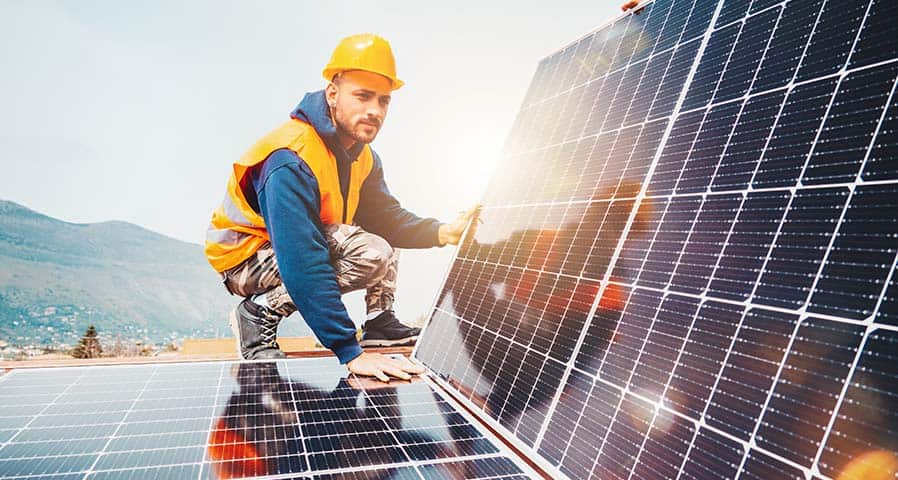
As commercial facilities increasingly adopt on-site solar and battery storage systems to manage energy costs and support sustainability goals, these assets are becoming more digitally connected to building networks. Without proper cybersecurity protections in place, connected renewable energy infrastructure can introduce operational risks that impact system performance, financial outcomes, and long-term reliability.
Why should business owners prioritize cybersecurity protections for solar and renewable energy systems?
Solar and battery storage are now the lowest-cost, fastest-to-deploy energy resources available to meet rising electricity demand. As adoption accelerates through 2030, commercial facilities are increasingly integrating solar generation with LED lighting upgrades, smart building automation systems, and networked energy management platforms.
These technologies are powered by distributed energy resources (DERs) that rely on digital connectivity to support performance monitoring, remote diagnostics, and system optimization. While these capabilities improve efficiency and operational visibility, they also expand the cyberattack surface for commercial facilities operating renewable energy systems.
Renewable energy and cybersecurity must now be addressed together to ensure system reliability and protect energy infrastructure from unauthorized access or operational disruption.
Unlike centralized power plants, DER technologies are decentralized and often connected directly to the internet through cloud-based monitoring tools. Solar arrays, inverters, and battery storage platforms frequently rely on remote connectivity for load balancing, predictive maintenance, and energy production monitoring.
This connectivity introduces potential entry points for threats targeting critical infrastructure. Nation-states, criminal organizations, and hacktivist groups have shown increased interest in energy systems since 2021. Publicly disclosed cyberattacks against solar energy infrastructure confirm that inverter-based resources and behind-the-meter renewable energy systems are viable targets.
Additionally, many solar installations include components sourced from complex global supply chains that were not originally designed with cybersecurity protections for solar infrastructure in mind. Remote connectivity features embedded within inverters or monitoring platforms must be properly secured to prevent malicious access or data interception.
One of the most significant renewable energy cybersecurity challenges stems from the convergence of information technology (IT) and operational technology (OT).
IT systems manage administrative functions, including billing platforms, enterprise analytics, and performance dashboards. OT systems directly control physical energy production through programmable solar arrays, battery storage systems, and inverter-based resources.
Because OT equipment is designed for long-term use and is infrequently replaced, many renewable energy systems operate with a combination of modern digital platforms and legacy programmable logic controllers. This creates cybersecurity gaps that unauthorized users can exploit.
Without proper segmentation between IT and OT networks, threat actors can potentially gain access to renewable energy control systems through enterprise network vulnerabilities.
Organizations operating commercial solar and renewable energy installations should implement foundational cybersecurity protections across both IT and OT environments.
Recommended cybersecurity protections for solar include:
Employee education is also critical. Even advanced cybersecurity technologies can be compromised by phishing attempts or unauthorized credential use. Renewable energy operators should regularly train facility personnel to identify suspicious access requests and abnormal system behavior.
Industry collaboration is helping address emerging cybersecurity risks. The Solar Energy Industries Association (SEIA), in partnership with the U.S. Department of Energy, Sandia National Laboratories, and the North American Electric Reliability Corporation (NERC), has developed cybersecurity recommendations for inverter-based solar resources and distributed renewable systems.
Similarly, the National Association of Regulatory Utility Commissioners (NARUC) and DOE are working to establish cybersecurity baselines for electric distribution networks and DER technologies to support secure energy delivery.
As commercial facilities continue integrating solar generation with smart building technologies and LED lighting platforms to meet sustainability goals, cybersecurity must be treated as an operational requirement.
Implementing proactive renewable energy and cybersecurity strategies today helps protect system performance, reduce operational risk, and ensure the long-term resilience of modern commercial energy infrastructure.
Click here to read the original articles, published by Solar Energy Industries Association and PV Magazine.

When retrofitting your LEDs, lightbulbs have various illuminance. Theres different ways to measure the lighting of…
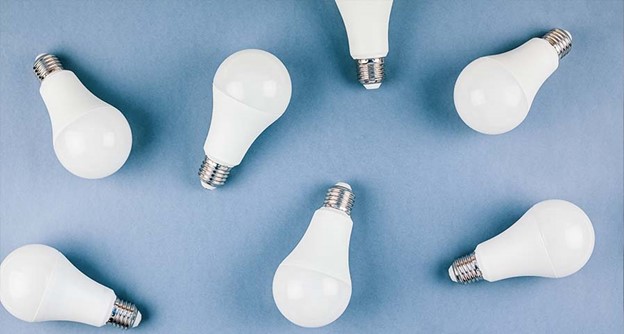
Understanding light measurements, luminance and foot-candle can help when choosing the perfect bulb for you next…
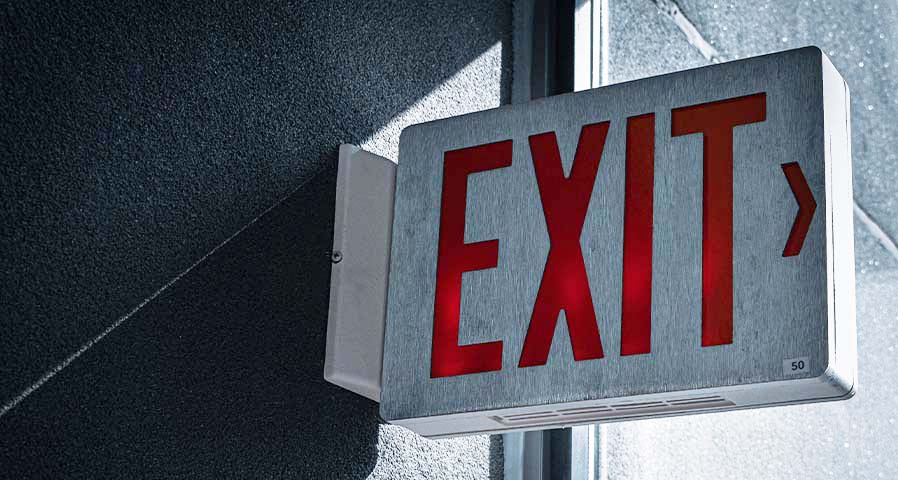
Exit signs and emergency lighting need to be in accordance with the NFPA, OSHA, and other…
When retrofitting your LEDs, lightbulbs have various illuminance. Theres different ways to measure the lighting of your next retrofit.
Understanding light measurements, luminance and foot-candle can help when choosing the perfect bulb for you next retrofit.
Exit signs and emergency lighting need to be in accordance with the NFPA, OSHA, and other state or local ordinances.