

Lighting Measurements – An In-depth Guide Part 1
When retrofitting your LEDs, lightbulbs have various illuminance. Theres different ways to measure the lighting of…

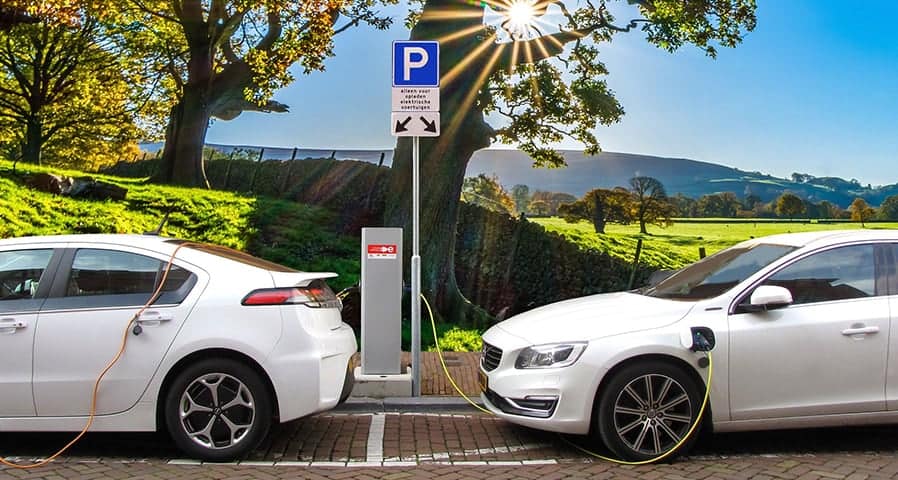
Electric vehicles rely on both AC and DC power, but the type of current used during charging significantly impacts speed, performance, and infrastructure requirements.
What is the difference between AC and DC EV charging?
As EV adoption continues to grow, understanding the difference between AC and DC charging is essential for commercial property owners, facility managers, and organizations planning EV infrastructure.
Before comparing AC and DC charging, it is important to understand how EVs use electricity.
This means that regardless of the charger type, electricity must be converted into DC before it can be stored in the battery.
Where that conversion happens is the key difference between AC and DC charging.
Alternating current (AC) is the standard electrical current supplied by the grid and used in most buildings.
How AC Charging Works
Benefits of AC Charging
Common Use Cases
AC charging (Level 2) is commonly used in:
Because the vehicle performs the conversion, charging speeds are limited by the onboard charger.
Direct current (DC) charging delivers power directly to the battery without requiring onboard conversion.
How DC Charging Works
Benefits of DC Charging
Common Use Cases
DC fast charging (Level 3) is typically used in:
One of the biggest differences between AC and DC charging is speed.
Some DC fast chargers can deliver very high power levels, significantly reducing charging time compared to AC charging.
Charging speed is not constant—this is where charging curves come into play.
This slowdown helps protect the battery and manage heat.
Even with DC fast charging, several factors can impact performance:
Understanding these factors helps set realistic expectations for charging performance.
The right charging solution depends on how your facility operates.
Many commercial facilities benefit from a combination of AC and DC charging, depending on:
This approach provides flexibility while optimizing performance and cost.
Plan Your EV Charging Strategy the Right Way
Understanding the difference between AC and DC charging is essential for designing the right EV infrastructure.
Visit our EV Charging Solutions page to learn how Action Services Group helps organizations select, install, and manage the right mix of charging solutions. When you are ready, schedule a call with our team to discuss your facility and goals.
👉 Explore EV Charging Solutions
👉 Schedule a Call with Our Experts
As EV technology continues to evolve, both AC and DC charging are improving.
Emerging trends include:
These advancements will continue to enhance charging performance and expand infrastructure capabilities.
What is the main difference between AC and DC charging?
AC charging requires the vehicle to convert power, while DC charging converts power at the station and delivers it directly to the battery.
Is DC charging faster than AC charging?
Yes. DC fast charging delivers higher power levels and charges EVs significantly faster than AC charging.
Do all EVs use both AC and DC charging?
Yes. EVs can use both, but the charging method depends on the charger type.
Why does charging slow down after 80%?
Charging slows to protect the battery from heat and extend its lifespan.
Which is better for commercial facilities?
It depends on usage. AC is ideal for longer parking durations, while DC is better for fast charging and high-demand locations.
AC and DC charging both play important roles in EV infrastructure. While AC charging offers a cost-effective solution for longer dwell times, DC fast charging provides the speed needed for high-demand environments.
For commercial facilities, choosing the right mix of charging solutions ensures optimal performance, user satisfaction, and long-term scalability.
If you are planning EV charging infrastructure, Action Services Group can help you evaluate your options and implement a solution tailored to your facility. To get started, call 610-558-9773, email [email protected], or schedule a consultation with our team.

When retrofitting your LEDs, lightbulbs have various illuminance. Theres different ways to measure the lighting of…

Understanding light measurements, luminance and foot-candle can help when choosing the perfect bulb for you next…

Exit signs and emergency lighting need to be in accordance with the NFPA, OSHA, and other…
When retrofitting your LEDs, lightbulbs have various illuminance. Theres different ways to measure the lighting of your next retrofit.
Understanding light measurements, luminance and foot-candle can help when choosing the perfect bulb for you next retrofit.
Exit signs and emergency lighting need to be in accordance with the NFPA, OSHA, and other state or local ordinances.