

Lighting Measurements – An In-depth Guide Part 1
When retrofitting your LEDs, lightbulbs have various illuminance. Theres different ways to measure the lighting of…

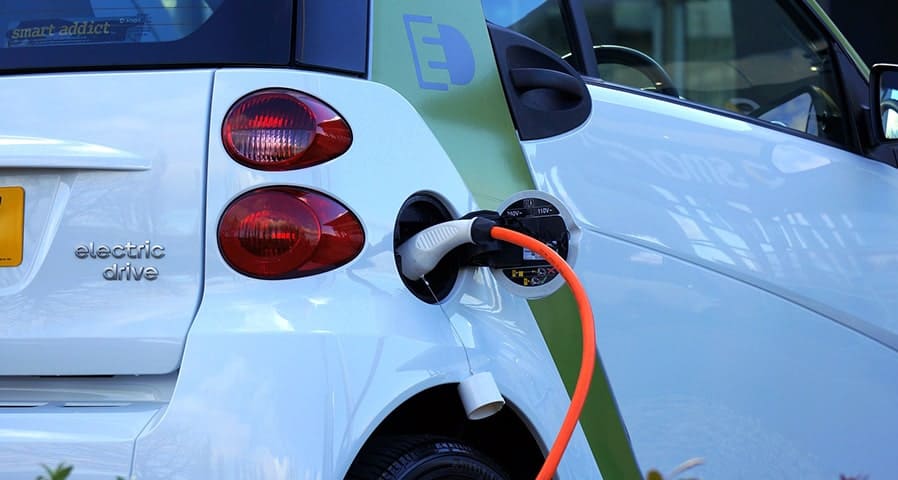
EV charger load balancing allows multiple charging stations to operate efficiently without exceeding available electrical capacity. For commercial facilities, it is a critical strategy for scaling EV infrastructure without costly electrical upgrades.
What is EV charger load balancing and why does it matter?
As electric vehicle adoption continues to rise, commercial properties are seeing increased demand for EV charging. Whether you are supporting tenants, employees, or customers, adding more chargers may seem like the obvious solution.
However, electrical capacity is often the limiting factor.
This is where EV charger load balancing becomes essential.
EV charger load balancing is a method of distributing available electrical power across multiple charging stations to ensure the system does not exceed the facility’s electrical limits.
Instead of each charger drawing maximum power independently, load balancing allows chargers to share available capacity.
This means:
Load balancing is especially important for facilities with limited electrical infrastructure or those planning to scale EV charging over time.
Without load balancing, adding EV chargers may require significant electrical upgrades, including:
Load balancing helps avoid or delay these upgrades by optimizing how existing power is used.
Load balancing allows facilities to install more chargers without increasing total power supply.
This is particularly valuable for:
Electrical upgrades can be one of the most expensive parts of an EV charging project.
By implementing load balancing, organizations can:
Load balancing ensures that all chargers remain available, even during peak usage.
Instead of limiting access to a few chargers, the system distributes power so more users can charge simultaneously, while maintaining safe operating limits.
Dynamic load balancing automatically adjusts how power is distributed across charging stations in real time.
Example Scenario
A facility has enough electrical capacity to fully power four EV chargers, but installs 16 charging stations.
With dynamic load balancing:
Instead of requiring drivers to move vehicles or wait for an available charger, the system balances the power across all stations.
This approach maximizes accessibility while maintaining system stability.
Load balancing is part of a broader category known as smart energy management.
These systems can:
For commercial facilities, this level of control helps align EV charging with overall energy usage and operational goals.
Load balancing is especially valuable in situations where electrical capacity is limited or demand is expected to grow.
Consider Load Balancing If:
In these scenarios, load balancing can significantly improve both performance and cost efficiency.
Facility owners often face a key decision:
Upgrade electrical infrastructure or implement load balancing?
In many cases, load balancing can:
However, in high-demand environments, a combination of both strategies may be required to support long-term growth.
As EV adoption continues to increase, charging demand will grow with it.
Load balancing allows facilities to:
This makes it a key component of a scalable, future-ready EV charging strategy.
Plan Your EV Charging Infrastructure the Right Way
Load balancing is one of the most effective ways to deploy EV charging infrastructure efficiently while controlling costs.
Visit our EV Charging Solutions page to learn how Action Services Group helps organizations design, install, and optimize EV charging systems with scalable energy management strategies. When you are ready, schedule a call with our team to discuss your facility and charging goals.
👉 Explore EV Charging Solutions
👉 Schedule a Call with Our Experts
Load balancing is a strong solution if:
For many commercial facilities, it is one of the most practical ways to scale EV charging.
As EV infrastructure evolves, load balancing will become even more advanced.
Emerging trends include:
These innovations will allow facilities to further optimize energy use while supporting growing EV demand.
What is EV charger load balancing?
EV charger load balancing distributes available electrical power across multiple chargers to prevent overloading and improve efficiency.
What is dynamic load balancing?
Dynamic load balancing automatically adjusts power distribution in real time based on how many vehicles are charging.
Does load balancing reduce charging speed?
It can reduce individual charging speed during peak demand, but it allows more vehicles to charge at the same time.
Can load balancing eliminate the need for electrical upgrades?
In many cases, yes. It can delay or reduce the need for upgrades by maximizing existing electrical capacity.
Is load balancing necessary for commercial EV charging?
It is highly recommended for facilities with limited power capacity or plans to expand charging infrastructure.
EV charger load balancing is a critical tool for commercial facilities looking to expand EV charging without significantly increasing electrical capacity. By distributing power intelligently, load balancing improves efficiency, reduces costs, and supports scalable infrastructure growth.
As EV demand continues to rise, facilities that implement load management strategies will be better positioned to meet user needs while maintaining operational efficiency.
If you are planning EV charging infrastructure or evaluating your current electrical capacity, Action Services Group can help you design a solution that balances performance, cost, and scalability. To get started, call 610-558-9773, email [email protected], or schedule a consultation with our team.

When retrofitting your LEDs, lightbulbs have various illuminance. Theres different ways to measure the lighting of…

Understanding light measurements, luminance and foot-candle can help when choosing the perfect bulb for you next…

Exit signs and emergency lighting need to be in accordance with the NFPA, OSHA, and other…
When retrofitting your LEDs, lightbulbs have various illuminance. Theres different ways to measure the lighting of your next retrofit.
Understanding light measurements, luminance and foot-candle can help when choosing the perfect bulb for you next retrofit.
Exit signs and emergency lighting need to be in accordance with the NFPA, OSHA, and other state or local ordinances.