

Lighting Measurements – An In-depth Guide Part 1
When retrofitting your LEDs, lightbulbs have various illuminance. Theres different ways to measure the lighting of…

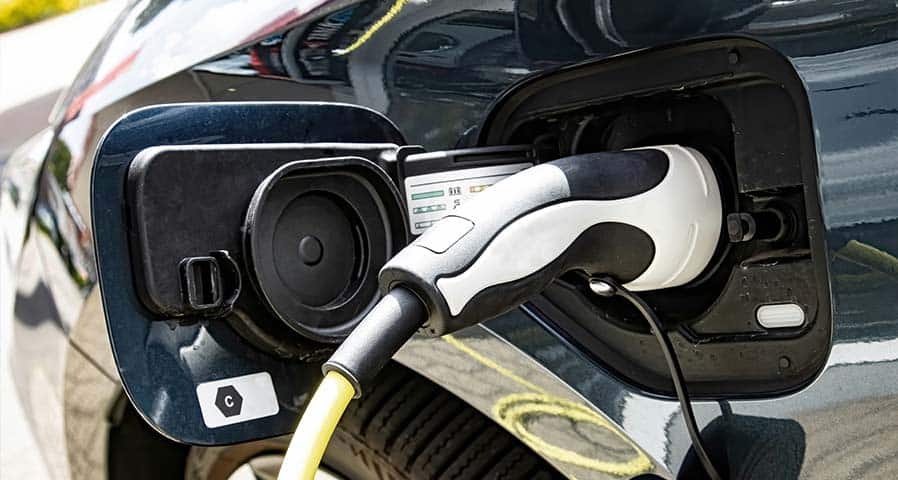
EV charging stations offer multiple payment methods to improve convenience, accessibility, and user experience. For commercial facilities, selecting the right payment options is essential for maximizing usage and revenue.
How do customers pay for EV charging?
As EV adoption continues to grow, drivers expect not only accessible charging stations but also simple and flexible ways to pay.
For businesses and property owners, offering the right payment options can significantly impact usage, customer satisfaction, and return on investment.
Payment is a critical part of the EV charging experience.
If the process is difficult or unclear, drivers may:
On the other hand, easy and flexible payment options can:
Modern EV charging stations support a variety of payment options designed to meet different user needs.
Many EV charging systems allow drivers to pay through mobile apps.
How It Works
Benefits
Considerations
Mobile apps are commonly used for public charging networks and frequent EV users.
RFID (radio-frequency identification) cards are often used for controlled-access charging environments.
How It Works
Benefits
Considerations
RFID cards are especially useful in workplaces, multi-family properties, and fleet operations.
Contactless payments allow drivers to pay without downloading an app or using physical cards.
How It Works
Benefits
Considerations
This option is becoming increasingly popular for public and retail locations.
Some EV chargers support direct credit card payments or tap-to-pay functionality.
Benefits
Considerations
For high-traffic commercial locations, offering traditional payment options can improve accessibility.
The best EV charging payment method depends on how your property is used and who your users are.
Consider These Factors
Example Use Cases
In many cases, offering multiple payment options provides the best user experience.
Providing multiple payment methods helps:
For commercial facilities, this flexibility can directly impact both usage rates and long-term ROI.
Plan Your EV Charging Strategy the Right Way
Payment methods are a key part of EV charging infrastructure planning. The right approach ensures a seamless experience for users while supporting your operational and financial goals.
Visit our EV Charging Solutions page to learn how Action Services Group helps organizations design and implement EV charging systems with flexible payment and access options. When you are ready, schedule a call with our team to discuss your facility and user needs.
👉 Explore EV Charging Solutions
👉 Schedule a Call with Our Experts
Offering multiple payment methods is especially important if:
A flexible approach ensures your charging stations are accessible to the widest range of drivers.
EV charging payment technology continues to evolve.
Emerging trends include:
As EV adoption grows, payment systems will continue to become faster, simpler, and more user-friendly.
How do customers pay for EV charging?
Customers can pay using mobile apps, RFID cards, contactless payments, credit cards, or digital wallets.
Do EV chargers require an app to pay?
Not always. Some chargers support contactless or credit card payments without requiring an app.
What is the most convenient EV charging payment method?
Contactless payments are often the most convenient for one-time users, while apps are useful for frequent users.
Are RFID cards still used for EV charging?
Yes. RFID cards are commonly used for controlled-access environments like workplaces and fleet operations.
Can EV charging stations accept multiple payment types?
Yes. Many modern systems support multiple payment options to improve flexibility and user experience.
EV charging payment methods play a critical role in the overall charging experience. Offering flexible, convenient payment options ensures that drivers can easily access charging stations while helping businesses maximize usage and revenue.
For commercial facilities, the right payment strategy should align with user needs, operational goals, and long-term scalability.
If you are planning EV charging infrastructure, Action Services Group can help you design a system that includes the right payment solutions for your facility. To get started, call 610-558-9773, email [email protected], or schedule a consultation with our team.

When retrofitting your LEDs, lightbulbs have various illuminance. Theres different ways to measure the lighting of…

Understanding light measurements, luminance and foot-candle can help when choosing the perfect bulb for you next…

Exit signs and emergency lighting need to be in accordance with the NFPA, OSHA, and other…
When retrofitting your LEDs, lightbulbs have various illuminance. Theres different ways to measure the lighting of your next retrofit.
Understanding light measurements, luminance and foot-candle can help when choosing the perfect bulb for you next retrofit.
Exit signs and emergency lighting need to be in accordance with the NFPA, OSHA, and other state or local ordinances.