

Lighting Measurements – An In-depth Guide Part 1
When retrofitting your LEDs, lightbulbs have various illuminance. Theres different ways to measure the lighting of…

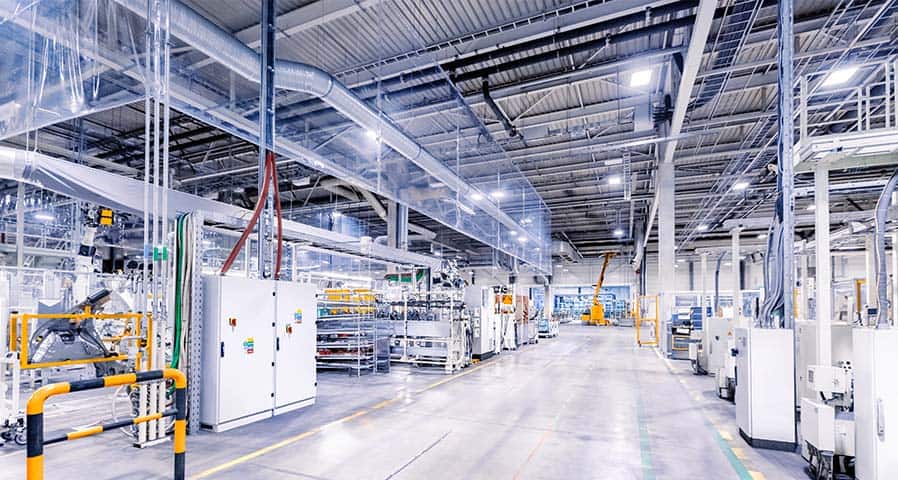
Extreme temperatures affect interior lighting systems by changing LED output, stressing drivers and electrical components, and accelerating fixture material deterioration. Excessive heat can reduce efficiency and shorten service life. Freezing conditions can challenge startup and material flexibility, while temperature fluctuations can introduce condensation and damage seals.
For commercial and industrial facilities, these effects translate into unplanned downtime, maintenance labor, and repeated lift rentals. Selecting fixtures for actual operating conditions helps prevent a lighting upgrade from becoming an ongoing replacement expense.
An LED fixture’s ambient temperature rating tells you how hot or cold the surrounding air can be while the light operates. This rating helps determine whether a fixture suits a particular indoor environment.
Standard commercial fixtures commonly have an upper operating limit around 40°C / 104°F. High-ambient industrial fixtures often support 55°C–65°C / 131°F–149°F, while specialized products may handle higher temperatures. Always confirm the operating range for the specific fixture and configuration.
For example, a fixture rated for 40°C / 104°F should not operate where the surrounding air regularly reaches 55°C / 131°F unless the manufacturer explicitly approves that use.
Check conditions where the fixture will be installed. Air near ceilings, boilers, or production equipment can be hotter than air at floor level. In refrigerated spaces, the rating must also cover the lowest expected temperature.
Use the complete fixture’s operating temperature range when selecting lighting. A storage-temperature rating applies when equipment is turned off and does not ensure suitable operating conditions.
Extreme heat can reduce immediate brightness, accelerate permanent lumen depreciation, and shorten the life of drivers, wiring, optics, and seals.
As LED junction temperature increases, light output generally decreases at a given drive current. Luminous efficacy, measured in lumens per watt, can decline accordingly. Thermal protection may also reduce output or shut the fixture down.
Some temperature-related output loss reverses when the LED cools. Lumen depreciation describes the lasting decline that develops as components age.
Improve Lighting Performance in Challenging Indoor Environments
Extreme temperatures inside commercial facilities can impact lighting efficiency, performance, and lifespan. From refrigerated warehouses and cold storage facilities to manufacturing plants and other high-temperature environments, selecting the right lighting technology is essential for maintaining reliable illumination while managing energy consumption and maintenance costs.
Explore our Next Gen LED Solutions to see how modern LED technology and advanced lighting controls can help improve lighting performance, optimize energy efficiency, and provide greater flexibility across your facilities. Then, connect with our lighting experts to discuss your indoor lighting challenges and identify solutions designed for your specific operating conditions.
Sustained high temperatures can accelerate deterioration of LED packages and optical materials, affecting brightness and color.
IES LM-80 measures lumen maintenance of LED packages, arrays, and modules under controlled conditions. IES TM-21 uses those results to project long-term lumen maintenance. These methods help evaluate LED performance, but they do not establish the lifespan of every component in a complete fixture.
An L70 projection describes when LED output is expected to reach 70% of its initial value under stated conditions. Drivers or seals may fail earlier.
Heat accelerates aging of temperature-sensitive electronics, particularly electrolytic capacitors used in many drivers.
A commonly used Arrhenius-based rule of thumb estimates that each 10°C increase in capacitor operating temperature roughly halves service life, within the applicable rated range. This is an approximation for capacitor aging, not a universal prediction for complete-driver lifespan or permission to exceed maximum ratings.
Prolonged overheating can also deteriorate wiring insulation, connectors, adhesives, lenses, and gaskets. Flickering or intermittent operation may precede complete failure, creating maintenance interruptions before the LEDs themselves wear out.
Standard LED fixtures can serve hot indoor spaces only when actual exposure stays within the complete assembly’s approved operating limits.
Measure temperatures at mounting height during peak production. Ceiling air above boilers, ovens, and manufacturing equipment may be much hotter than occupied areas below. Foundry lighting and steel mill lighting also face radiant heat that can heat fixtures beyond what an air-temperature reading suggests.
High heat lighting fixtures may use specialized electronics, larger cooling surfaces, heat-resistant optics, or remote drivers. Also consider dust buildup and restricted airflow, which reduce heat dissipation.
Remote mounting can move sensitive electronics away from process heat, but the setup must follow the manufacturer’s instructions.
Confirm the maximum permitted driver-to-LED cable length, conductor size, and compatible wiring method. Longer cables create voltage drop that can interfere with startup or operation if the driver lacks sufficient voltage headroom. Cable resistance also increases with temperature.
No universal allowable remote-driver distance exists. Follow the specified limit even when a voltage-drop calculation appears acceptable.
The remote enclosure must dissipate the driver’s own heat. Placing several drivers inside a sealed cabinet can create another overheating problem. Before approving the arrangement, check enclosure temperature, spacing, accessibility, and environmental protection.

Cold can benefit LED output by lowering junction temperature, but drivers and other system components must remain within their low-temperature limits.
Cold-rated LEDs can provide rapid illumination without the warm-up problems associated with many fluorescent systems. However, the size of any efficiency improvement depends on the LED, drive current, thermal design, and comparison temperature. A universal 5%–10% gain should not be assumed when calculating project savings.
Driver startup becomes a key concern in commercial freezers. Low temperatures can change capacitor behavior and increase startup difficulty. Some products support operation down to -20°C / -4°F, while specialized cold-storage lighting may support -40°C / -40°F.
Cold can also make certain lenses, cable jackets, and gaskets less flexible. Specify freezer lighting for startup after prolonged exposure to the lowest expected temperature.
Lower lighting power also helps in refrigerated facilities by reducing heat the refrigeration system must remove.
Temperature cycling creates repeated material movement and pressure changes, while humid air can condense on cold surfaces.
Aluminum housings, polycarbonate lenses, circuit boards, and silicone or EPDM gaskets expand at different rates. This mismatch in coefficients of thermal expansion can stress joints, fasteners, solder connections, and seals.
Condensation forms when a surface falls below the surrounding air’s dew point. Freezer door openings, defrost cycles, and warm washdowns can expose cold fixtures to moisture that clouds optics or corrodes electrical connections.
Manufacturer-designed breather vents or pressure-equalization devices can help. Some use expanded polytetrafluoroethylene, or ePTFE, membranes to equalize pressure while blocking liquid water and contaminants. Water vapor can pass through these membranes, helping manage moisture rather than excluding all humidity.
Vents must be compatible with cleaning chemicals and the enclosure’s protection requirements. Field modifications can compromise fixture suitability.
Enclosure ratings provide a starting point for specification, but they must be paired with temperature, material, and installation requirements.
| Indoor environment | Main operating challenge | Fixture-selection priority | Enclosure ratings to consider |
| Foundries and steel mills | Radiant heat, hot air, dust, and vibration | High-ambient capability and protected mounting locations | IP65/IP66 where dust-tight construction is needed |
| General manufacturing | Dust, equipment heat, and occasional splashing | Zone-specific temperatures and maintainable cooling surfaces | IP54 for moderate dust and splashing; IP65 for more demanding dust exposure |
| Boiler rooms | Heat accumulation and restricted airflow | Peak-temperature measurements and suitable electronics | Select for actual moisture exposure; IP65 where water jets are present |
| Cold-storage warehouses | Subzero startup and condensation near doors | Cold-rated drivers and moisture management | IP65/IP66 where moisture exposure warrants |
| Commercial freezers | Prolonged freezing and defrost cycles | Verified cold startup and temperature-cycling capability | IP65/IP66 with suitable seals and materials |
| Food-processing facilities | Washdowns, chemicals, and temperature transitions | Sanitation suitability and cleaner compatibility | IP65/IP66 for applicable water-jet exposure; NEMA 4X where corrosion resistance is needed |
IP65 and IP66 address specified dust and water-jet protection. They do not automatically establish suitability for hot, high-pressure sanitation cleaning.
NEMA 4X includes corrosion protection, but compatibility with specific chemicals still requires verification. IP and NEMA ratings are not interchangeable.
For U.S. installations, confirm certification to UL 1598 and the appropriate damp- or wet-location marking. Neither replaces the published ambient temperature rating.
Do emergency battery packs require separate temperature checks?
Yes. Battery charging limits can be narrower than discharge or fixture operating limits. Many conventional LiFePO4 packs prohibit charging below 0°C / 32°F, and some require higher minimum temperatures.
NiCad charging limits vary by cell and charging system, so don’t apply the same cutoff universally. Freezer applications may require manufacturer-designed battery heaters, cold-rated assemblies, or approved remote battery arrangements. Verify charging capability and emergency duration at the design temperature.
Do occupancy sensors need cold-storage ratings?
Yes. Sensors have their own temperature limits. Confirm reliable operation in the refrigerated zone and suitable detection coverage around racks, doors, and moving equipment.
What should maintenance teams inspect after repeated temperature cycling?
Check for cracked lenses, loose connections, hardened gaskets, corrosion, moisture traces, and blocked cooling surfaces—record recurring failures by location to identify environmental problems affecting multiple fixtures.
Reliable commercial interior lighting starts with matching the entire system to its environment. Temperature ratings, enclosure protection, controls, and maintenance access all influence whether fixtures deliver dependable illumination throughout their service life.
Action Services Group can help evaluate demanding indoor lighting applications and plan upgrades around operating conditions, maintenance needs, and project costs. Contact us at 610-558-9773, email [email protected], or schedule a consultation tailored to your facility needs.
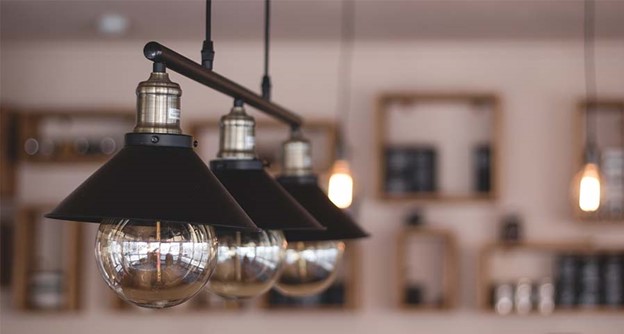
When retrofitting your LEDs, lightbulbs have various illuminance. Theres different ways to measure the lighting of…
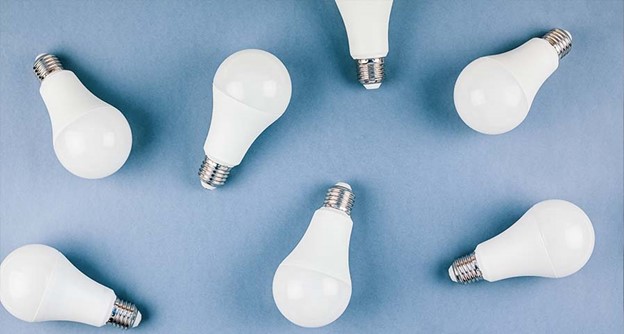
Understanding light measurements, luminance and foot-candle can help when choosing the perfect bulb for you next…
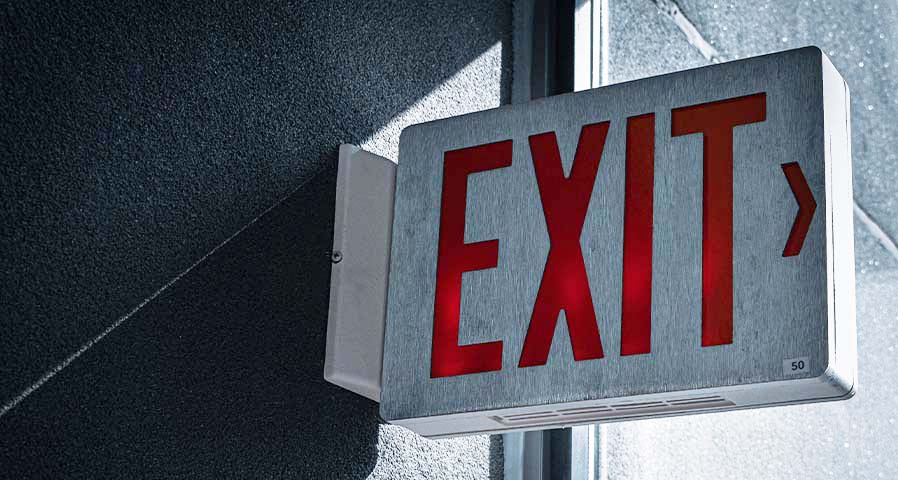
Exit signs and emergency lighting need to be in accordance with the NFPA, OSHA, and other…
When retrofitting your LEDs, lightbulbs have various illuminance. Theres different ways to measure the lighting of your next retrofit.
Understanding light measurements, luminance and foot-candle can help when choosing the perfect bulb for you next retrofit.
Exit signs and emergency lighting need to be in accordance with the NFPA, OSHA, and other state or local ordinances.