

Lighting Measurements – An In-depth Guide Part 1
When retrofitting your LEDs, lightbulbs have various illuminance. Theres different ways to measure the lighting of…


A commercial lighting audit systematically evaluates a facility’s lighting equipment, energy use, controls, and maintenance conditions. For facility managers, it transforms high operating expenses and recurring maintenance headaches into an actionable, data-backed improvement plan.
A useful audit connects equipment data with operational needs. Its findings help facility teams decide where to invest first.
How can a lighting audit improve facility planning?
Businesses should conduct lighting audits to understand where lighting costs too much, performs poorly, or creates repeated service demands. Common triggers include rising maintenance expenses, uneven illumination, aging equipment, and plans to renovate or expand.
Even facilities with LEDs can benefit. Schedules may no longer match occupancy, sensors may be poorly positioned, or replacement fixtures may produce inconsistent results. A lighting audit determines which actions address the real problem, from cleaning fixtures and adjusting controls to planning a broader retrofit.
A commercial lighting audit checklist should cover interior and exterior systems by room, zone, or fixture group. Each record should connect equipment details to a specific location so contractors can develop an accurate service scope.
| Audit item | Information to document |
| Fixture inventory | Location, quantity, fixture type, mounting height, and photos |
| Lamps and components | Fluorescent, HID, or LED technology; lamps per fixture; ballast or driver details |
| Electrical load | Supply voltage and total fixture input wattage, including ballast or driver losses beyond the lamps’ nominal wattage; avoid adding losses again when already included in a complete LED fixture’s input rating |
| Operating hours | Actual runtimes, shifts, cleaning schedules, and seasonal exterior use |
| Lighting controls | Switches, timers, occupancy sensors, daylight controls, settings, and overrides |
| Measured light levels | Light-meter readings at relevant work surfaces or walking areas, with daylight conditions noted |
| Maintenance conditions | Failed lamps, flicker, dirt, damaged lenses, repeated repairs, and access requirements |
| Site conditions | Layout, ceiling height, obstructions, daylight availability, and activities performed |
Distinguish verified information from estimates. Record inaccessible fixtures and uncertain equipment details for follow-up rather than assigning unsupported values.
The lighting audit process moves from defining objectives to gathering evidence and developing a practical improvement scope.
Agree on priorities before the walkthrough. These might include reducing electricity use, addressing employee complaints, limiting lift rentals, or standardizing lighting across stores. Define the areas included and any access or scheduling restrictions.
Review floor plans, utility bills, repair histories, and operating schedules. During the walkthrough, reconcile those records with actual equipment and conditions. Include loading docks, stairwells, storage areas, and exterior lighting.
Confirm runtime with staff and control schedules. Where uncertainty materially affects projected savings, temporary logging can help establish actual operating hours.

Measure illumination in foot-candles or lux at locations relevant to the work being performed. One foot-candle equals one lumen of light falling on a one-square-foot surface. Compare readings with application-specific Illuminating Engineering Society recommendations and applicable requirements. A storage aisle and a detailed inspection station need different evaluations.
Record shadows, glare, uneven coverage, and occupant feedback alongside measurements. Review failure patterns and service access to distinguish isolated repairs from recurring equipment problems.
Look for lights operating in vacant spaces, exterior fixtures running during daylight, and outdated equipment drawing unnecessary power. Evaluate whether schedule changes, sensor adjustments, cleaning, repairs, LED retrofits, or fixture replacements best address each finding.
LED retrofits with networked controls can produce substantial lighting energy savings, but results depend on the baseline equipment, runtime, and control settings. For example, the U.S. General Services Administration reported 69% lighting energy savings compared with its average baseline in a two-building evaluation of LED fixtures with integrated advanced controls. Use project-specific audit data to develop savings estimates. GSA
Avoid assuming every existing fixture needs a direct replacement. Changed layouts may require different placement or coverage. Any proposed solution should meet the space’s lighting needs while accounting for installation access and business operations.
To secure capital expenditure approval from CFOs and asset managers, facility teams must translate audit findings into clear financial metrics.
Turn Your Commercial Lighting Audit into a Smarter LED Retrofit Strategy
A commercial lighting audit is the first step toward identifying opportunities to improve lighting performance, reduce energy consumption, and lower long-term operating costs. By evaluating existing fixtures, lighting levels, energy usage, and maintenance requirements, facility managers can gain valuable insights into where outdated or inefficient lighting systems may be costing their businesses money. These findings can help establish a clear path toward energy-efficient LED upgrades that deliver measurable savings, improved illumination, and reduced maintenance demands.
Explore Action Services Group’s LED Retrofit Solutions to see how we help commercial facilities transform lighting audit findings into strategic lighting upgrades. From evaluating existing lighting systems and identifying energy-saving opportunities to implementing LED retrofits across multiple locations, our team can help you develop a lighting improvement strategy tailored to your facility’s operational needs and financial goals. Then, schedule a call with our lighting experts to discuss your current lighting systems, potential energy savings, and opportunities to maximize your return on investment.
Audit findings support financial planning by establishing a documented baseline and comparing it with a defined improvement option.
Annual Lighting Energy Use (kWh) = (Fixture Quantity × Total Fixture Input Watts × Annual Operating Hours) ÷ 1,000
Calculate existing and proposed consumption separately, especially when controls change operating hours or dimming levels. Avoid counting the same controls savings twice.
For illustration, assume 100 fixtures operate at 100 watts each for 4,000 hours annually. Replacing them with suitable 40-watt fixtures at the same runtime saves an estimated 24,000 kWh annually. At an assumed electricity rate of $0.15/kWh, that equals $3,600 in annual energy savings.
Build project costs from equipment, installation labor, controls setup, access equipment, disposal, and other site-specific requirements. Estimate maintenance savings separately using repair records.
Simple Payback (Years) = Net Project Cost ÷ Annual Energy and Maintenance Cost Savings
If the illustrative project costs $15,000 after an assumed $3,000 approved rebate and saves $4,500 annually, including $900 in maintenance, simple payback is approximately 3.3 years. Simple annual ROI is 30% under those assumptions; this excludes financing, discounting, and future cost changes.
Check utility rebate eligibility and any preapproval requirements before purchasing or installing equipment. Treat unapproved incentives as estimates. Demand-charge savings require separate analysis of the utility rate and peak demand.
For national portfolios, organize audit findings into consistent digital fixture inventories and site-specific scopes. Turnkey partners such as Action Services Group can coordinate project scheduling, installation, and rebate recovery across locations, helping teams move from assessment to implementation.
Can a lighting audit take place while a facility operates?
Many observations can occur during normal operations. Restricted areas, high fixtures, and nighttime exterior measurements may require separate access arrangements.
Does a lighting audit replace a detailed lighting design?
An audit establishes existing conditions and improvement needs. Significant layout or coverage changes may require a separate design and photometric analysis before equipment selection.
What should happen after installation?
Verify fixture quantities, control settings, and completed work against the approved scope. Update asset records and repeat relevant light measurements to document the result.
How much does a commercial lighting audit cost?
Audit pricing depends on the scope and provider. Some contractors offer complimentary preliminary walkthroughs or include assessment costs in turnkey project contracts. A comprehensive investment-grade audit (IGA), which provides more detailed financial and technical analysis, may involve a separate fee. Whether that fee is credited toward installation depends on the agreement. Confirm pricing and deliverables with Action Services Group or your selected provider before scheduling.
How long does a commercial lighting audit take?
Timing depends on fixture variety, access, and measurement requirements. As a starting point, a straightforward 50,000-square-foot warehouse walkthrough might fit within a two- to four-hour visit; confirm that allowance with the auditor. Complex campuses or portfolios of retail locations may require several days of site work. Analysis and report preparation require additional time.
A commercial lighting audit helps facility managers prioritize urgent repairs, develop capital budgets, and sequence upgrades around operations. Multi-site organizations can use a common reporting format and performance criteria while adapting installation plans to each location.
A coordinated implementation plan improves project ROI, minimizes operational disruption, and captures available utility rebates. Action Services Group’s nationwide lighting services and turnkey LED retrofit capabilities help connect audit findings with installation, project scheduling, and ongoing service. Contact our team to discuss your facility’s priorities or schedule a call to plan upgrades across your locations.
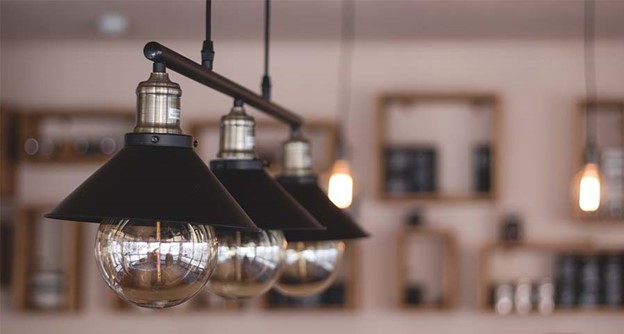
When retrofitting your LEDs, lightbulbs have various illuminance. Theres different ways to measure the lighting of…
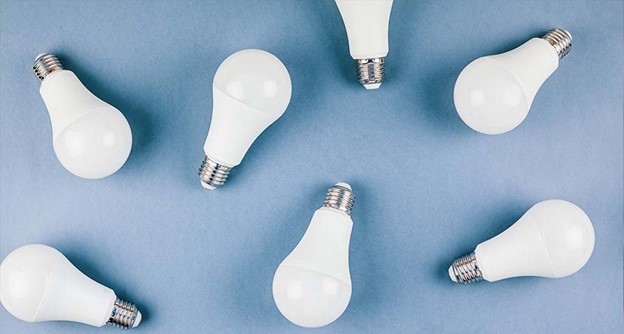
Understanding light measurements, luminance and foot-candle can help when choosing the perfect bulb for you next…
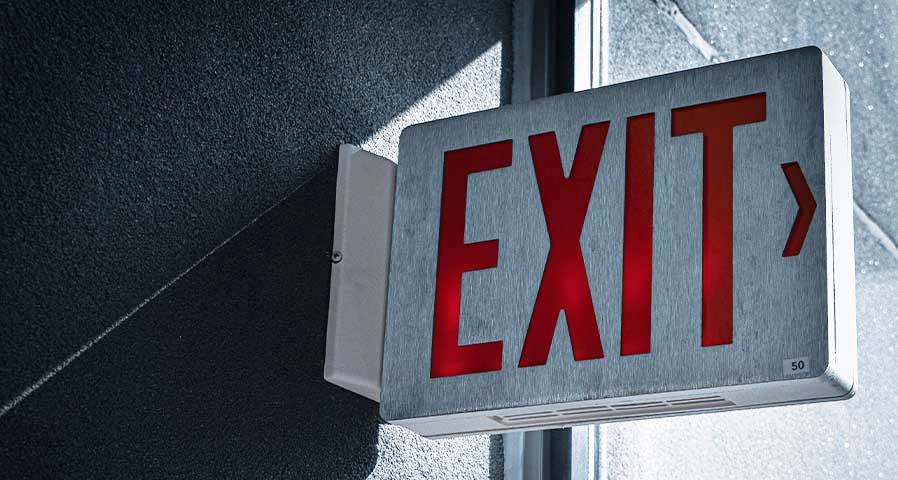
Exit signs and emergency lighting need to be in accordance with the NFPA, OSHA, and other…
When retrofitting your LEDs, lightbulbs have various illuminance. Theres different ways to measure the lighting of your next retrofit.
Understanding light measurements, luminance and foot-candle can help when choosing the perfect bulb for you next retrofit.
Exit signs and emergency lighting need to be in accordance with the NFPA, OSHA, and other state or local ordinances.