

Lighting Measurements – An In-depth Guide Part 1
When retrofitting your LEDs, lightbulbs have various illuminance. Theres different ways to measure the lighting of…

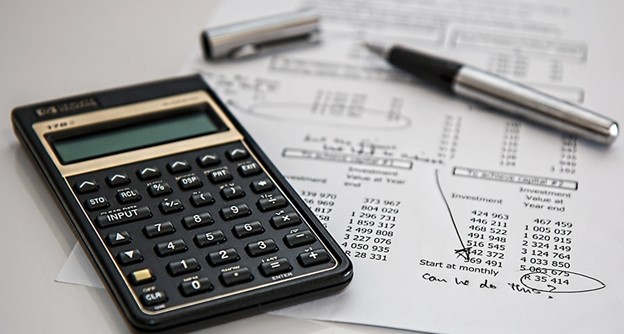
This blog was originally published November 3, 2020, and has been updated August 4, 2026.
LED lighting energy savings are calculated by subtracting the new LED wattage from the existing fixture wattage, multiplying the difference by annual operating hours, dividing by 1,000 to convert watts into kilowatt-hours (kWh), and multiplying the result by the facility’s electricity rate.
Annual Energy Savings ($) = [ (Watts Saved × Annual Operating Hours) ÷ 1,000 ] × Electricity Rate
Because reduced lighting energy consumption often represents the largest portion of an LED retrofit’s financial return, this calculation is the starting point for evaluating project savings and return on investment (ROI).
This article is the first installment in Action Services Group’s Calculating Your Savings and ROI series. After calculating your lighting energy savings, continue the series to Calculate HVAC energy savings, determine maintenance savings in Part 1 and Part 2, and Calculate the total ROI of your lighting project. Together, these guides provide a step-by-step framework for evaluating the energy, operational, and financial benefits of a commercial LED retrofit.
Lighting energy savings are the reduction in electricity costs achieved by replacing inefficient lighting technologies—such as halogen, fluorescent, metal halide, or HID fixtures—with energy-efficient LED lighting.
Savings are measured in kilowatt-hours (kWh) because electric utilities bill customers based on electricity consumption. Once annual kWh savings are calculated, they can be converted into annual cost savings using your facility’s electricity rate.
Because this calculation is based on measurable electrical data rather than estimates, it provides a reliable starting point for evaluating the financial benefits of an LED retrofit.
Before performing the calculation, gather the following information.
| Required Information | Example |
| Existing fixture wattage | 90 watts |
| New LED fixture wattage | 14 watts |
| Operating hours per day | 12 hours |
| Operating days per year | 250 days |
| Electricity rate | $0.12 per kWh |
Your electricity rate can typically be found on your utility bill. Commercial electricity rates vary by utility and region, so using your actual rate will provide the most accurate savings estimate.
Calculate the True Value of Your LED Lighting Project
Energy savings are only one part of the equation when evaluating an LED lighting upgrade. To understand the full financial impact of your project, you also need to account for HVAC savings, maintenance reductions, labor savings, utility rebates, and overall return on investment.
Download The Essential Guide to Calculating Energy Savings and ROI on Any Lighting Project to learn step-by-step methods for calculating the true value of your lighting investment. Whether you’re planning a retrofit or building a business case for capital improvements, this eBook provides the tools needed to make confident, data-driven decisions.
👉 Download: The Essential Guide to Calculating Energy Savings and ROI on Any Lighting Project
The calculation consists of four simple steps.
Step 1
Watts Saved = Existing Fixture Wattage − LED Fixture Wattage
Step 2
Annual Operating Hours = Hours Per Day × Operating Days Per Year
Step 3
Annual Energy Savings (kWh) = (Watts Saved × Annual Operating Hours) ÷ 1,000
Step 4
Annual Energy Cost Savings = Annual kWh Savings × Electricity Rate
This formula works for LED replacement lamps, retrofit kits, and complete fixture replacements.
Determine how much electricity each upgraded fixture no longer consumes.
| Calculation | Example |
| Existing fixture wattage | 90 watts |
| New LED fixture wattage | 14 watts |
| Wattage savings | 76 watts |
Formula
90 W − 14 W = 76 W saved per fixture
Each upgraded LED fixture reduces electrical demand by 76 watts compared to the original halogen lamp.
Annual operating hours determine how long the lighting system operates each year.
| Calculation | Example |
| Operating hours per day | 12 hours |
| Operating days per year | 250 days |
| Annual operating hours | 3,000 hours |
Formula
12 hours × 250 days = 3,000 operating hours annually
Facilities that operate longer hours, such as warehouses, hospitals, manufacturing plants, parking garages, and exterior lighting applications, typically realize greater energy savings because their lighting systems remain on for more hours each year.
Electric utilities bill electricity in kilowatt-hours (kWh), so wattage savings must be converted into annual energy savings.
| Calculation | Example |
| Wattage savings | 76 watts |
| Annual operating hours | 3,000 hours |
| Divide by | 1,000 |
| Annual energy savings | 228 kWh |
Formula
(76 × 3,000) ÷ 1,000 = 228 kWh saved annually
Each upgraded fixture saves approximately 228 kilowatt-hours of electricity every year.
Once annual kWh savings are known, calculate the yearly electricity cost reduction.
| Calculation | Example |
| Annual energy savings | 228 kWh |
| Electricity rate | $0.12 per kWh |
| Annual savings | $27.36 per fixture |
Formula
228 × $0.12 = $27.36 saved annually per fixture
For facilities replacing multiple fixtures, multiply the annual savings per fixture by the total number of fixtures included in the project.
| Example Facility Calculation | Result |
| Annual savings per fixture | $27.36 |
| Number of upgraded fixtures | 200 |
| Total annual lighting energy savings | $5,472 |

Several variables influence the total energy savings achieved by an LED retrofit, including:
Adding advanced lighting controls to an LED retrofit can further reduce electricity consumption by limiting unnecessary operating hours.
Can this formula be used for any LED retrofit?
Yes. The same calculation applies whether you’re replacing individual lamps, installing retrofit kits, or upgrading complete fixtures. The only values that change are the fixture wattage, operating schedule, and electricity rate.
Why is electricity measured in kilowatt-hours (kWh)?
Electric utilities bill customers based on kilowatt-hours because kWh measures the total amount of electricity consumed over time. Converting wattage savings into kWh allows you to calculate annual energy cost savings accurately.
What information do I need before calculating energy savings?
You’ll need the existing fixture wattage, new LED fixture wattage, annual operating hours, your electricity rate, and the number of fixtures included in the project.
Are lighting energy savings the same as project ROI?
No. Lighting energy savings measure only reduced electricity costs. A complete ROI analysis also includes maintenance savings, HVAC savings, labor reductions, utility rebates, and total project costs.
Can lighting controls increase energy savings?
Yes. Occupancy sensors, daylight harvesting, dimming, scheduling, and networked lighting controls can reduce lighting operating hours and further increase the energy savings achieved by an LED retrofit.
Lighting energy savings are the foundation of every LED retrofit financial analysis. Once you’ve calculated your annual electricity savings, you can begin evaluating the additional financial benefits that contribute to total project ROI.
To continue building your analysis, explore the remaining articles in our Calculating Your Savings & ROI series:
Together, these guides provide a step-by-step framework for evaluating every source of savings associated with a commercial LED lighting upgrade.
If you’re planning an LED retrofit, Action Services Group can help you estimate energy savings, identify additional cost-saving opportunities, and develop a lighting solution that supports your facility’s operational and financial goals. Contact our team to learn more or schedule a consultation. Contact Action Services Group at 610-558-9773, email [email protected], or schedule a consultation.
When retrofitting your LEDs, lightbulbs have various illuminance. Theres different ways to measure the lighting of…
Understanding light measurements, luminance and foot-candle can help when choosing the perfect bulb for you next…
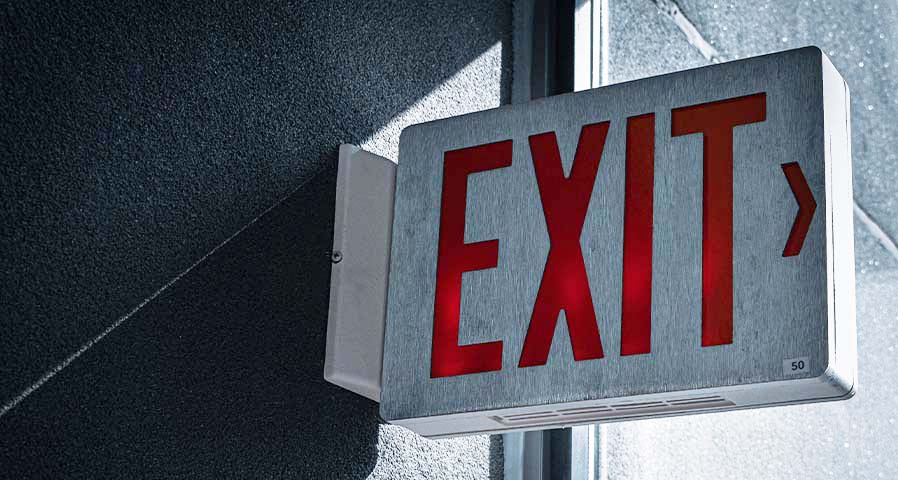
Exit signs and emergency lighting need to be in accordance with the NFPA, OSHA, and other…
When retrofitting your LEDs, lightbulbs have various illuminance. Theres different ways to measure the lighting of your next retrofit.
Understanding light measurements, luminance and foot-candle can help when choosing the perfect bulb for you next retrofit.
Exit signs and emergency lighting need to be in accordance with the NFPA, OSHA, and other state or local ordinances.