

Lighting Measurements – An In-depth Guide Part 1
When retrofitting your LEDs, lightbulbs have various illuminance. Theres different ways to measure the lighting of…


This blog was originally published November 17, 2020, and has been updated August 18, 2026.
Longer lamp life is one of the most valuable, and frequently overlooked, financial benefits of an LED lighting retrofit. Traditional halogen, CFL, and incandescent lamps may require frequent replacement, increasing material costs and placing additional demands on maintenance teams. LED lamps last significantly longer, reducing replacement frequency and annual maintenance expenses.
This article is Part 3 of the Calculating Your Savings and ROI on Any Lighting Project series. Before completing the calculations below, review Part 1: Calculating Your Lighting-Only Energy Savings and Part 2: Calculating Your HVAC Savings. After calculating your lamp replacement savings, continue to Part 4: Calculating Your Maintenance Labor Savings and Part 5: Calculating Your Lighting Project ROI.
Lamp replacement costs can add up quickly across a large facility or portfolio. Comparing the expected replacement frequency and material cost of existing lamps with those of new LED lamps provides a clearer estimate of annual maintenance savings.
What should you know before calculating LED lamp replacement savings?
A lamp’s rated life estimates how many operating hours it can provide before replacement is expected. Lamps with shorter rated lives must be replaced more frequently, increasing both material and labor expenses.
Traditional lamps can have rated lives ranging from approximately 1,500 to 15,000 hours, depending on the lighting technology and product. By comparison, commercial LED lamps and fixtures are often rated for tens of thousands of operating hours.
If a facility operates its lighting for long hours, lamps with shorter lifespans may require multiple replacements over the useful life of a single LED product. These repeated replacements create costs associated with:
Gather the following information before beginning:
The following example compares an existing halogen lamp with a replacement LED lamp.
| Input | Existing Halogen Lamp | New LED Lamp |
| Annual operating hours | 4,320 hours | 4,320 hours |
| Rated lamp life | 1,500 hours | 50,000 hours |
| Replacement cost per lamp | $4.50 | $25.00 |
| Manufacturer warranty | Not included | Five years |
The calculations below estimate the annual replacement material cost for one lamp position.

If annual operating hours have not already been calculated, use this formula:
Operating hours per day × operating days per year = annual operating hours
For example:
12 hours per day × 360 days per year = 4,320 annual operating hours
If you have already completed Part 1: Calculating Your Lighting-Only Energy Savings, use the annual operating hours calculated in that article.
To estimate how frequently the existing lamp must be replaced, divide annual operating hours by its rated life.
Annual operating hours ÷ existing lamp life = annual existing-lamp replacements
Using the example values:
4,320 hours ÷ 1,500 hours = 2.88 replacements per year
Each existing halogen lamp is expected to require approximately 2.88 replacements annually.
This figure is a long-term annualized estimate. It does not mean every lamp will fail at the same time or that an individual lamp will be replaced for a fraction of a year.
Multiply the annual replacement frequency by the cost of one replacement lamp.
Annual replacements × cost per existing lamp = annual existing-lamp material cost
Using the example:
2.88 × $4.50 = $12.96 per year
The estimated annual replacement material cost is $12.96 for each existing lamp position.
Use the same formula for the proposed LED lamp.
Annual operating hours ÷ LED lamp life = annual LED replacements
Using the example values:
4,320 hours ÷ 50,000 hours = 0.0864 replacements per year
Each LED lamp is expected to require approximately 0.086 replacements annually. Put another way, one LED lamp would have an estimated service life of approximately 11.6 years under these operating conditions.
The actual service life may vary based on product quality, operating environment, temperature, controls, voltage conditions, and maintenance practices.
Multiply the LED replacement frequency by the purchase price of one replacement LED lamp.
Annual LED replacements × cost per LED lamp = annual LED material cost
Using the unrounded replacement frequency:
0.0864 × $25.00 = $2.16 per year
The estimated annual replacement material cost per LED lamp position is $2.16 before considering warranty coverage.
Subtract the annual LED replacement material cost from the annual cost of replacing the existing lamp.
Existing annual material cost − LED annual material cost = annual material savings per lamp
Using the example:
$12.96 − $2.16 = $10.80 per year
The estimated replacement material savings are $10.80 per lamp annually.
Multiply the annual savings per lamp by the total number of lamps included in the project.
Annual savings per lamp × total number of lamps = total annual material savings
For a facility with 1,000 lamps:
$10.80 × 1,000 lamps = $10,800 per year
The facility could save an estimated $10,800 annually in lamp replacement materials, excluding labor and other maintenance-related expenses.
Maximize Your Lighting Investment with an LED Retrofit
Longer LED lamp life can significantly reduce the time, labor, and costs associated with maintaining your facility’s lighting systems. But maintenance savings are only part of the value an LED retrofit can deliver. By upgrading outdated lighting technology, facilities can reduce energy consumption, improve lighting performance, minimize ongoing maintenance requirements, and lower total operating costs over the life of the system.
Explore our LED Retrofit Solutions to learn how Action Services Group can help you develop and implement a turnkey lighting upgrade that improves efficiency, reduces maintenance demands, and maximizes the long-term value of your lighting investment.
If a manufacturer’s warranty covers the LED product, the cost of the replacement product may be reduced or eliminated during the warranty period. However, warranty terms vary by manufacturer and product.
Confirm whether the warranty covers:
If the manufacturer provides replacement LED lamps at no product cost during the warranty period, the calculation may look like this:
$12.96 existing annual cost − $0 LED product cost = $12.96 annual material savings per lamp
For 1,000 lamp positions:
$12.96 × 1,000 = $12,960 in estimated annual material savings
Do not automatically assume the replacement cost will be zero. Review the manufacturer’s warranty and use the actual expected cost in your financial analysis.
Use the following formulas with your project information.
Annual operating hours ÷ existing lamp life = annual existing-lamp replacements
Annual existing-lamp replacements × existing lamp cost = annual existing-lighting material cost per lamp
Annual operating hours ÷ LED lamp life = annual LED replacements
Annual LED replacements × LED lamp cost = annual LED material cost per lamp
Existing annual material cost − LED annual material cost = annual savings per lamp
Annual savings per lamp × total lamp quantity = total annual material savings
For the most accurate estimate, keep the full decimal value throughout the calculation and round only the final result.
Replacement products are only one part of lighting maintenance expenses. A complete maintenance analysis may also include:
Facilities with high ceilings, restricted areas, clean rooms, warehouses, parking lots, or multiple locations may realize substantial savings in labor and access equipment. Calculate these additional benefits using Part 4: Calculating Your Maintenance Labor Savings.
How Do You Calculate How Often a Lamp Must Be Replaced?
Divide the lighting system’s annual operating hours by the lamp’s rated life:
Annual operating hours ÷ rated lamp life = annual replacement frequency
Are Rated Lamp Life and Warranty Length the Same?
No. Rated life estimates how long a lighting product is expected to operate under specified conditions. A warranty defines the manufacturer’s obligations if the product fails within a stated period. Always review both values separately.
Why Can the Annual Replacement Frequency Be Less Than One?
A result below 1 indicates that the lamp is expected to last longer than 1 year. For example, a replacement frequency of 0.0864 means the lamp is expected to require replacement approximately once every 11.6 years under the stated operating schedule.
Should Maintenance Labor Be Included in This Calculation?
Not yet. This calculation measures material savings from lamp replacement. Labor, equipment, travel, and related maintenance expenses should be calculated separately to prevent costs from being overlooked or counted twice.
Do All LED Lamps Last 50,000 Hours?
No. LED product life varies by manufacturer, product type, application, operating temperature, electrical conditions, and product quality. Use the rated life listed for the specific LED product proposed for your project.
Does a Longer LED Lamp Life Guarantee a Specific Amount of Savings?
No. Estimated savings depend on operating hours, product costs, product performance, warranty coverage, and the number of lamps installed. Use project-specific information whenever possible.
Longer LED lamp life can reduce replacement frequency and annual material costs across a facility. When these savings are multiplied across hundreds or thousands of lamp positions, they can materially improve the financial return of an LED lighting retrofit.
Continue the Calculating Your Savings and ROI on Any Lighting Project series to complete your analysis:
If you would like help estimating lighting, HVAC, maintenance, rebate, and ROI savings for your facility, the lighting specialists at Action Services Group can help you develop a complete financial analysis before your project begins.
Call 610-558-9773, email [email protected], or schedule a call using the button below.
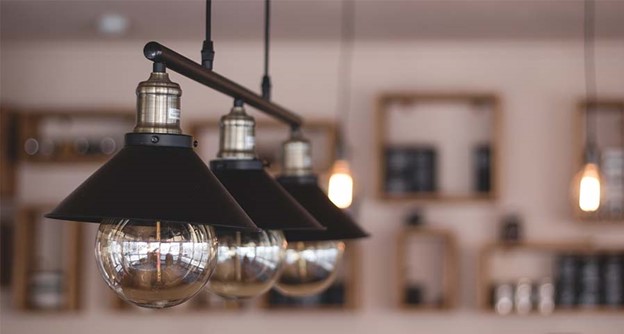
When retrofitting your LEDs, lightbulbs have various illuminance. Theres different ways to measure the lighting of…
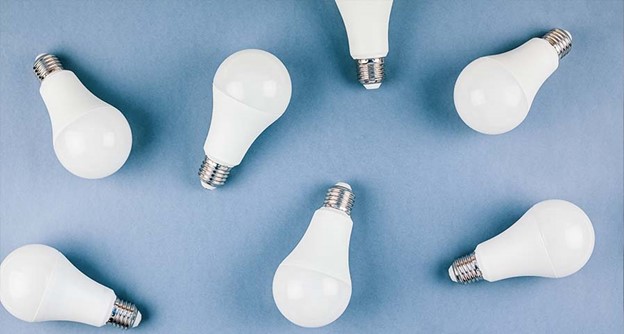
Understanding light measurements, luminance and foot-candle can help when choosing the perfect bulb for you next…
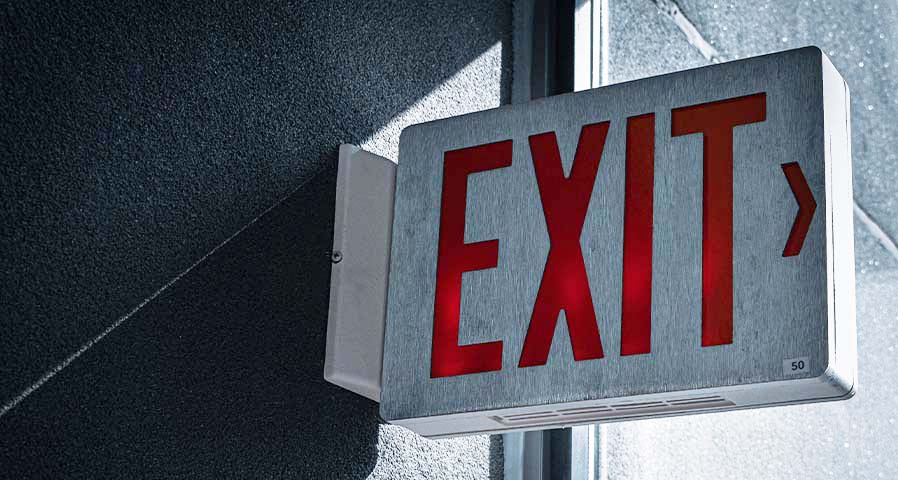
Exit signs and emergency lighting need to be in accordance with the NFPA, OSHA, and other…
When retrofitting your LEDs, lightbulbs have various illuminance. Theres different ways to measure the lighting of your next retrofit.
Understanding light measurements, luminance and foot-candle can help when choosing the perfect bulb for you next retrofit.
Exit signs and emergency lighting need to be in accordance with the NFPA, OSHA, and other state or local ordinances.