

Lighting Measurements – An In-depth Guide Part 1
When retrofitting your LEDs, lightbulbs have various illuminance. Theres different ways to measure the lighting of…

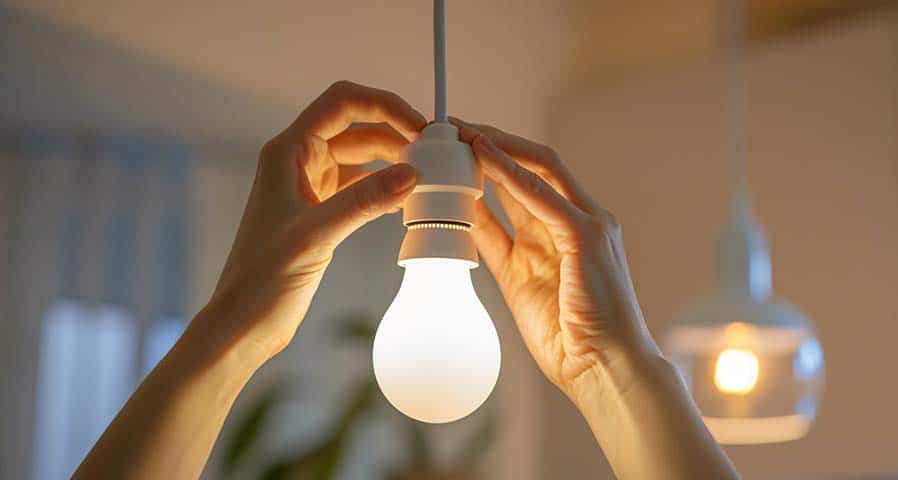
Unexpected lighting system failures can impact everything from employee productivity and customer experience to occupant safety and regulatory compliance. While some issues are minor, others, especially those affecting emergency lighting, can create serious risks if left unaddressed. Understanding the most common failures and implementing the right maintenance strategy helps facilities reduce downtime, extend equipment life, and avoid costly repairs.
| Common Failure | Likely Cause | Recommended Solution |
| Flickering LED fixtures | Failing LED driver, loose wiring, voltage fluctuations | Inspect wiring, replace the driver, and verify power quality. |
| Burned-out fixtures | End-of-life components or electrical issues | Replace failed components and investigate the root cause. |
| Emergency lighting not activating | Battery or emergency driver failure | Test batteries, replace failed components, and verify operation. |
| Lights operating inconsistently | Sensor or control malfunction | Inspect controls, recalibrate, or replace sensors. |
Most commercial lighting failures result from component wear, electrical problems, or inconsistent maintenance. Common causes include aging LED drivers, loose electrical connections, voltage fluctuations, damaged wiring, moisture intrusion, and failed lighting controls. Deferred maintenance often allows minor issues to develop into larger system failures.
The most frequently reported lighting issues include:
Addressing these problems early reduces disruption and helps maintain safe, well-lit facilities.
LED lights typically flicker because of failing drivers, poor electrical connections, incompatible dimming controls, or unstable voltage. Although LED chips are commonly rated to last 50,000 to 100,000 hours, the electronic driver is usually the first component to fail. Industry benchmarks estimate driver failures at approximately 0.2% per 1,000 operating hours, primarily due to heat-related degradation of internal components. Replacing a failing driver often restores fixture performance without replacing the entire luminaire.
Emergency lighting should undergo a 30-second functional test every month and a 90-minute full-duration battery test annually to support compliance with NFPA 101 (Life Safety Code) and OSHA 29 CFR 1910.37. During the annual test, emergency lighting should maintain an average illumination level of at least 1.0 foot-candle along the path of egress. Routine testing helps verify that batteries, emergency drivers, and exit signage will operate properly during a power outage.
Routine inspections identify loose wiring, deteriorating batteries, damaged fixtures, and declining component performance before they lead to unexpected outages. Documenting inspection findings also helps facilities prioritize repairs, improve asset management, and reduce unplanned downtime.
Facilities that integrate lighting into their building automation systems (BAS) or building management systems (BMS) can monitor equipment performance, receive fault notifications, and prioritize maintenance activities more efficiently.
Replacement is often the better option when fixtures experience repeated failures, replacement parts become difficult to source, or repair costs continue to increase.
A useful rule of thumb is this: If repair costs exceed approximately 50% of the cost of replacing the fixture, or if the existing lighting system operates below about 100 lumens per watt, a full LED retrofit will often deliver a faster return on investment through improved efficiency, lower maintenance costs, and greater reliability.
Labor also plays a significant role in repair costs. In many commercial facilities, electrician labor and equipment access, such as scissor lifts, account for 70%–80% of total lighting repair expenses. A replacement LED driver costing around $50 can require an additional $150–$300 in labor, making repeated repairs more expensive than replacing aging fixtures.
A proactive maintenance strategy helps identify developing issues before they result in unexpected lighting outages. Rather than waiting for fixtures to fail, facilities can reduce downtime, improve reliability, and extend equipment life through routine inspections and performance monitoring.
Industry data shows that transitioning from reactive to proactive maintenance can reduce long-term commercial LED lighting maintenance costs by 80%–90%, while improving lighting reliability and reducing unexpected outages.
What are the signs of a failing lighting system?
Common warning signs include flickering lights, delayed startup, dim illumination, inconsistent operation, unusual buzzing, and repeated fixture failures.
Can building automation systems (BAS) detect lighting problems?
Yes. Many building automation systems (BAS) and building management systems (BMS) can monitor lighting performance, identify faults, detect power issues, and alert facility managers to developing problems before they result in unexpected failures.
What should a property lighting maintenance checklist include?
A property lighting maintenance checklist should include fixture inspections, emergency lighting tests, battery checks, control verification, wiring inspections, cleaning schedules, and documentation of completed maintenance.
Can preventive maintenance reduce lighting repair costs?
Yes. Routine inspections and scheduled maintenance help identify developing issues before they become expensive repairs or unplanned outages while extending equipment life and improving overall lighting performance.
Lighting system failures are often preventable with the right maintenance strategy and routine inspections. By addressing minor issues early, regularly testing emergency lighting, and combining preventive and predictive maintenance practices, facility managers can improve system reliability, reduce unexpected downtime, and support compliance with NFPA 101 and OSHA lighting requirements. A proactive approach not only extends the life of lighting assets but also creates a safer, more efficient environment for building occupants while lowering long-term maintenance costs.
Click here to read the full article, originally published January 22, 2026, by Oxmaint.
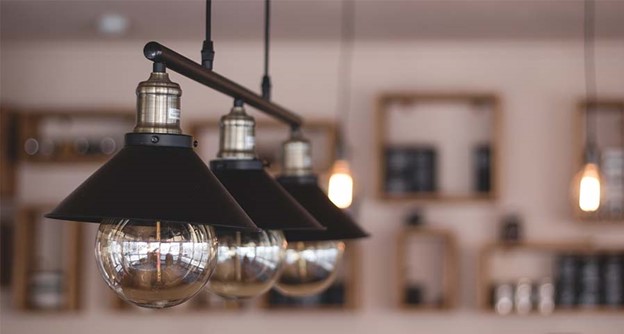
When retrofitting your LEDs, lightbulbs have various illuminance. Theres different ways to measure the lighting of…
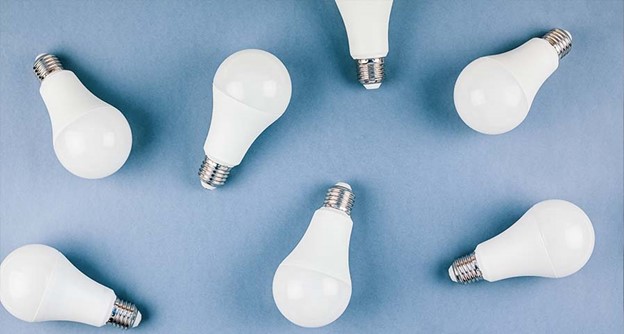
Understanding light measurements, luminance and foot-candle can help when choosing the perfect bulb for you next…
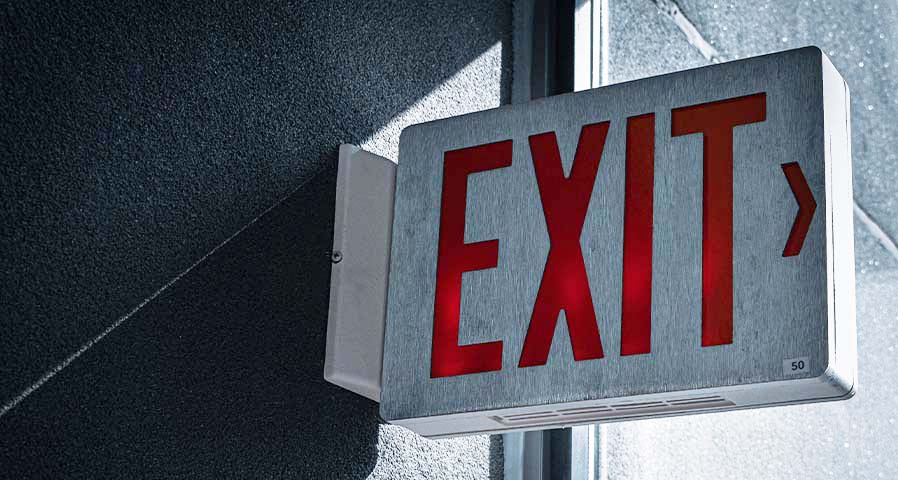
Exit signs and emergency lighting need to be in accordance with the NFPA, OSHA, and other…
When retrofitting your LEDs, lightbulbs have various illuminance. Theres different ways to measure the lighting of your next retrofit.
Understanding light measurements, luminance and foot-candle can help when choosing the perfect bulb for you next retrofit.
Exit signs and emergency lighting need to be in accordance with the NFPA, OSHA, and other state or local ordinances.