

Lighting Measurements – An In-depth Guide Part 1
When retrofitting your LEDs, lightbulbs have various illuminance. Theres different ways to measure the lighting of…


The DesignLights Consortium (DLC) recently released Version 6.0 of its Solid-State Lighting (SSL) Technical Requirements, the first major update in more than five years, along with Version 2.0 of Light Usage for Night Applications (LUNA). Together, these updates reflect rapid advances in LED performance, growing emphasis on lighting controls, and increasing concern about responsible outdoor illumination. The changes are expected to influence how manufacturers design products, how utilities structure incentive programs, and how building owners approach lighting upgrades.
At the core of the update is the continued role of the DLC’s SSL Qualified Products List (QPL). By meeting the new technical requirements and passing review, LED luminaires and lamps can be listed on the QPL, which is widely used by energy efficiency programs to determine rebate eligibility. Approximately 70 percent of commercial lighting programs across North America rely on the QPL, making it a critical link between product performance and financial incentives. In addition to SSL products, the DLC also maintains Qualified Products Lists for Networked Lighting Controls and horticultural lighting, supporting a broader ecosystem of efficient and controllable technologies.
A major focus of SSL Version 6.0 is controllability. In previous versions, basic information such as dimming or color tuning was collected for every variation of a product, which created complexity for both manufacturers and program administrators. The new requirements introduce a standardized control options table for each listed product. This table captures detailed attributes including driver type, dimming method and minimum dim level, sensor type and mounting height, and compatibility with DLC-listed networked lighting control systems. Using this information, products are now categorized into seven control categories, ranging from Category 0 (no integral controls) to Category 6 (integral DLC-listed networked lighting controller with multiple sensor functions, also known as luminaire-level lighting controls).
These control categories are displayed directly on the SSL QPL and are intended to streamline rebate applications and program review. They also form the basis for the “Standard” and “Premium” product designations, with Premium products required to be controls-ready or to include integral controls. This structure aligns with the growing role of lighting controls in achieving deeper energy savings, especially as LED efficacy improvements alone deliver diminishing incremental gains.
Version 6.0 also raises minimum efficacy thresholds by an average of 14 percent across product categories, with some outdoor and replacement lamp categories seeing even larger increases. Additional technical updates include revised glare metrics, allowances for low correlated color temperature products, enhanced reporting for field-adjustable luminaires, and expanded eligibility for amber and very low-CCT outdoor lighting. Solar-powered outdoor luminaires and optional sustainability reporting have also been added, broadening the scope of what can be evaluated and listed.
Complementing these changes, Version 2.0 of LUNA advances the DLC’s framework for responsible outdoor lighting. LUNA focuses on minimizing sky glow, glare, and light trespass while maintaining safety and visibility. The updated program aligns more closely with current understanding of ecological and human health impacts of nighttime lighting, reinforcing the importance of spectral control, shielding, and adaptive operation through sensors and networked controls.
Together, SSL Version 6.0 and LUNA Version 2.0 signal a shift from efficiency defined primarily by lumens per watt toward a more holistic view that includes controllability, application-specific performance, and environmental responsibility. By integrating detailed control information into the DesignLights Consortium (DLC) qualification process and strengthening guidance on nighttime lighting practices, the DLC is providing utilities, designers, and building owners with clearer tools to pursue both energy savings and quality-of-light outcomes. Applications under the new requirements open in early 2026, marking the start of a new phase in how efficient and responsible lighting is specified, incentivized, and deployed.
Click here to read the full article, originally published January 19, 2026, by Inside Lighting.
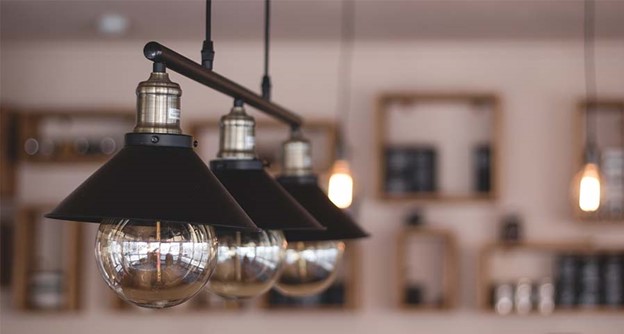
When retrofitting your LEDs, lightbulbs have various illuminance. Theres different ways to measure the lighting of…
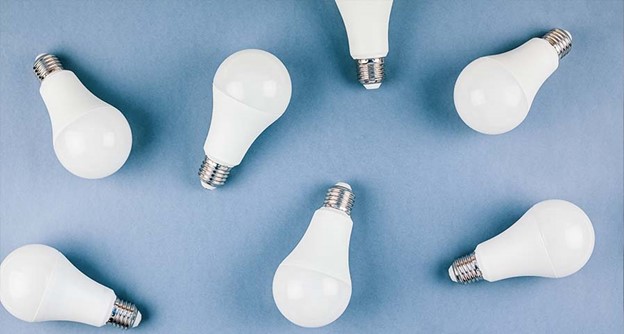
Understanding light measurements, luminance and foot-candle can help when choosing the perfect bulb for you next…
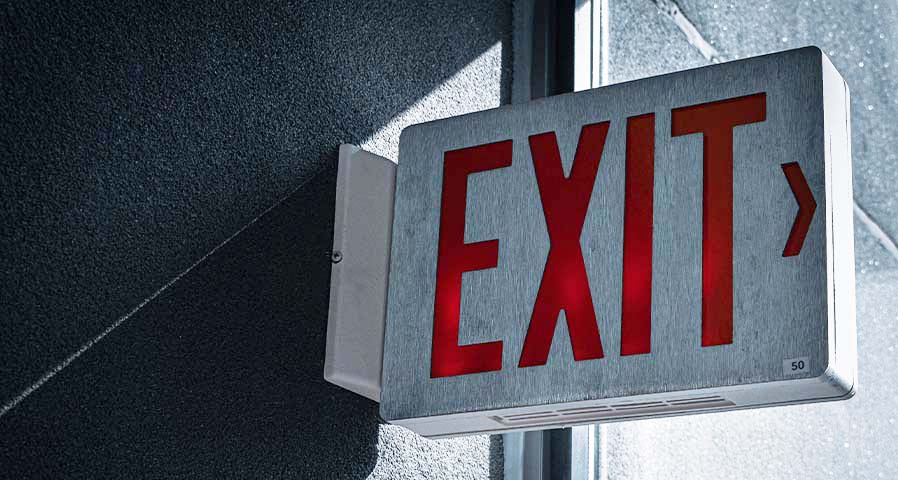
Exit signs and emergency lighting need to be in accordance with the NFPA, OSHA, and other…
When retrofitting your LEDs, lightbulbs have various illuminance. Theres different ways to measure the lighting of your next retrofit.
Understanding light measurements, luminance and foot-candle can help when choosing the perfect bulb for you next retrofit.
Exit signs and emergency lighting need to be in accordance with the NFPA, OSHA, and other state or local ordinances.