

What Are the Requirements for Exit Signs and Emergency Lighting?
Exit signs and emergency lighting need to be in accordance with the NFPA, OSHA, and other…

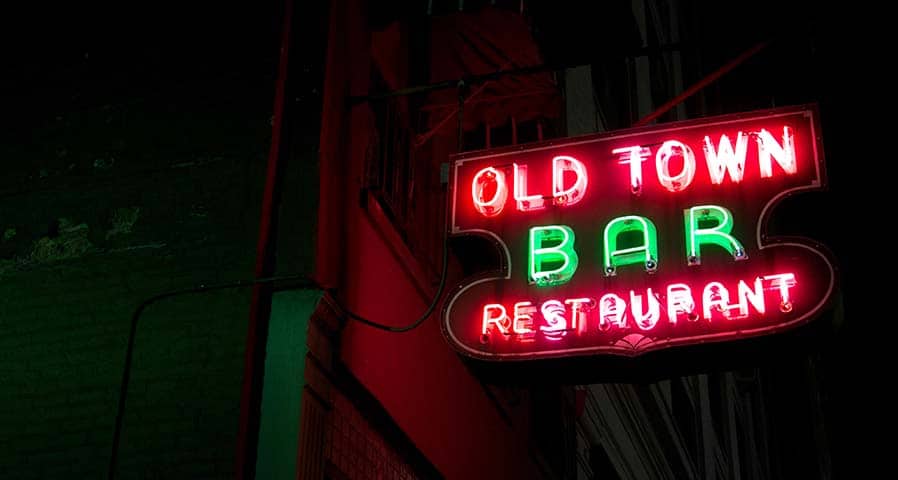
Upgrading exterior signage is one of the most effective ways to elevate a brand’s presence, attract new customers, and maintain a modern, professional appearance. As more businesses prepare for facility improvements in 2026, LED sign upgrades have become a priority for improved visibility, long-term cost savings, and compliance with evolving lighting standards.
Exterior signs traditionally rely on one of three illumination methods: spotlights, backlighting, or self-lit designs. Each has its strengths, and choosing the right one depends on location, visibility needs, and overall branding goals.
Spotlighting remains a popular option for tenants tucked inside shopping plazas or businesses where signage aesthetics are important during the day. Lamps are angled to wash the sign with light at night, preserving the sign’s face. However, spotlighting can cast shadows, especially when only one fixture is used or when the sign has three-dimensional elements. In these cases, multiple fixtures or a revised lighting layout can correct shadowing and ensure consistent visibility.
Self-lit signs and backlit signs continue to dominate high-visibility applications. By using internal LED modules or diffuse lighting, these designs minimize shadows, maintain uniform brightness, and perform well from close range or long distances. Self-lit signs also give businesses more freedom in design, color, and animation. For 2026, LED modules offer higher efficiency and lower maintenance requirements than versions from just a few years ago, making them an exceptional investment.
Shadows remain one of the most common issues in poorly illuminated signage. Without proper planning, shadows can obscure important information and alter the sign’s intended appearance. Spotlighting is especially prone to this, but even backlit signs can have uneven lighting if LED modules are spaced incorrectly or if older fluorescent systems have not been replaced.
Diffuse LED lighting helps minimize these issues by spreading light evenly across all surfaces. Modern LED modules offer more consistent lumen output and better color uniformity, which is critical for branded signage where color accuracy matters. If your business is using or upgrading three-dimensional or sculpted signage, a lighting analysis can pinpoint optimal fixture placement to eliminate washout and shadowing.

Lighting temperature influences how a sign is perceived. Warmer temperatures create a welcoming appearance, ideal for rustic, hospitality, or boutique businesses, while cooler temperatures help modern brands, medical offices, appliance stores, and high-tech businesses stand out with clean clarity.
Temperature selection should complement both the sign material and your branding. For example:
• Wooden or textured signage pairs well with warm color temperatures.
• Plastic, acrylic, or illuminated channel letters often look best under cooler, crisper lighting.
• Neutral temperatures are ideal for multi-tenant properties where brand consistency matters across multiple styles.
Municipalities increasingly regulate sign illumination, including brightness limits, fixture types, timing controls, uplighting restrictions, and energy consumption requirements. Noncompliance can result in fines or the need to remove and reinstall lighting systems.
Many regions have updated exterior lighting regulations for 2026, tightening requirements to reduce light pollution and promote energy efficiency. Working with a knowledgeable signage contractor can ensure your LED upgrade meets all local codes, from lumen output to mounting height.
Retrofitting is a great option when the sign structure is in good shape. Swapping fluorescent tubes, neon, or halogen fixtures for LED modules can significantly reduce energy use and improve brightness without requiring a full replacement. This is also the most cost-effective option for businesses that want to extend the life of existing signage.
Full replacement is recommended when signage shows structural wear, has outdated design elements, or cannot support modern LED modules. Replacement may also be the better choice during renovations or rebranding initiatives, allowing electrical work, lighting upgrades, and structural changes to happen at the same time.

LED sign upgrades bring immediate and long-term advantages, including lower energy use, fewer replacements, enhanced brightness, and better visual appeal. Modern LEDs often run up to 100,000 hours, and many energy providers offer rebates that help offset installation costs.
The savings can be substantial. For example, replacing a 1000-watt sign with a 130-watt LED system can save more than $1,200 annually. These savings compound over time, making LED signage a practical investment for property owners and business operators alike.
A successful LED sign upgrade involves more than choosing fixtures. To streamline the process:
• Coordinate installation with your operating hours to minimize downtime.
• Review your budget and consider available rebates before starting the project.
• Evaluate maintenance requirements of the new system.
• Assess opportunities to pair the upgrade with other exterior lighting improvements.
Many businesses are upgrading exterior lighting in phases, including parking lot lights, wall packs, and building perimeter lighting. Tackling signage at the same time can reduce labor costs and ensure a consistent aesthetic throughout the property.
If your signage appears dull, outdated, or expensive to operate, transitioning to LED technology is a smart and timely decision. A brighter, more energy-efficient sign enhances brand visibility, reduces operating costs, and improves curb appeal year-round.
Action Services Group can guide you through every step of the upgrade process, from evaluating existing signage to installing modern LED solutions that meet your branding goals and local requirements. For expert guidance on an LED sign upgrade in 2026, contact our signage specialists at 610-558-9773, email [email protected], or schedule a consultation at your convenience.
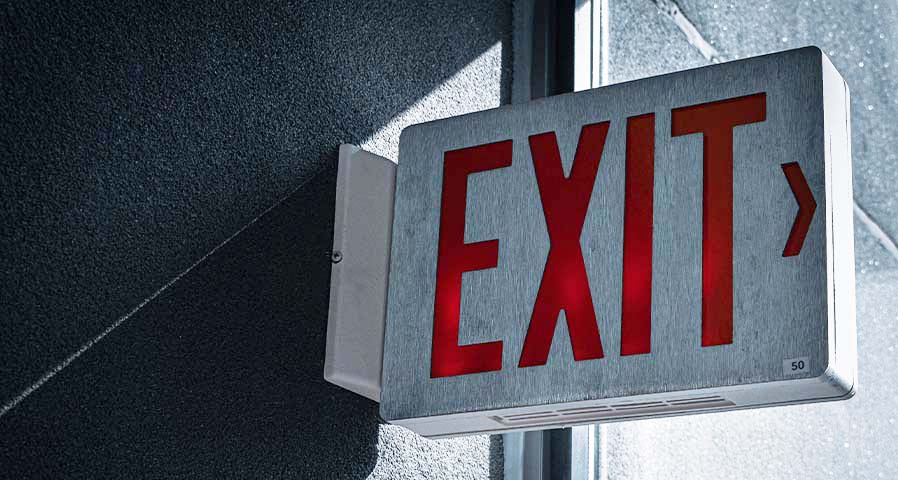
Exit signs and emergency lighting need to be in accordance with the NFPA, OSHA, and other…

Action Services Group has acquired Stouch Lighting to advance national LED upgrades, turnkey lighting solutions, LED…
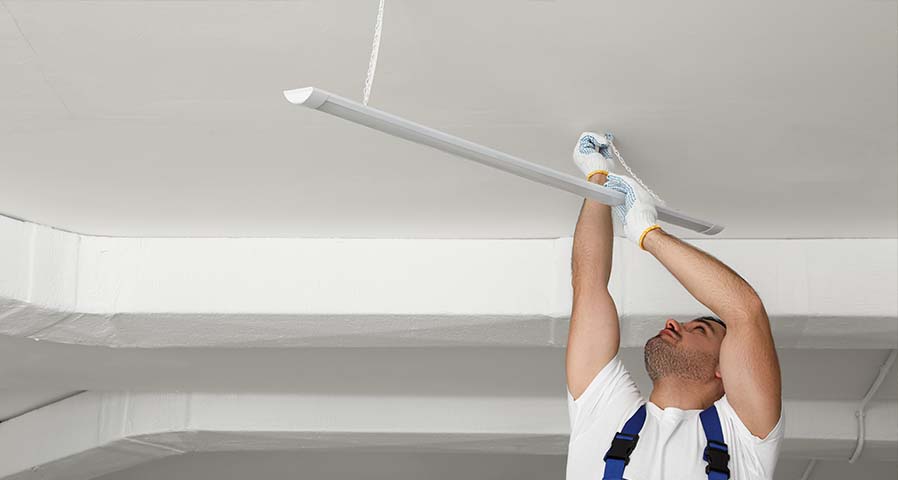
Outsourcing lighting upgrades and maintenance needs improves tenant retention and boosts ROI for property managers.
Exit signs and emergency lighting need to be in accordance with the NFPA, OSHA, and other state or local ordinances.
Action Services Group has acquired Stouch Lighting to advance national LED upgrades, turnkey lighting solutions, LED retrofit services and lighting…
Outsourcing lighting upgrades and maintenance needs improves tenant retention and boosts ROI for property managers.