

Lighting Measurements – An In-depth Guide Part 1
When retrofitting your LEDs, lightbulbs have various illuminance. Theres different ways to measure the lighting of…

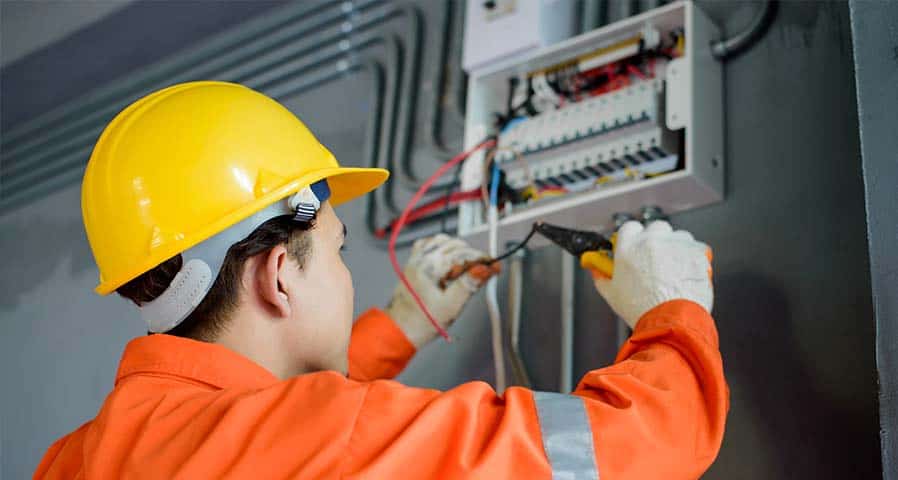
Commercial electrical systems can remain in service for decades, but no single age determines when an entire system must be replaced. Panels, breakers, wiring, switchgear, transformers, and controls age at different rates. Their useful life depends on equipment condition, operating demands, environment, maintenance history, and whether the system still supports the facility safely and reliably.
Service-age benchmarks can support capital planning, but condition data should guide the final decision.
What should facility managers know about commercial electrical equipment lifespan?
A commercial electrical system may remain useful for several decades, but its components do not share one expiration date. Some conductors can outlast the building systems they serve, while breakers, protective devices, electronic controls, and mechanical operating parts may require attention much sooner.
The ranges below are broad capital-planning estimates, not automatic replacement intervals. Manufacturer guidance, equipment type, duty cycle, maintenance records, test results, and applicable codes must take priority.
| Commercial Electrical Component | General Planning Range | Conditions That May Shorten Useful Life |
| Electrical panels and panelboards | 25–40 years | Heat damage, corrosion, repeated overloading, unavailable replacement parts |
| Molded-case circuit breakers | 20–30 years | Frequent operation, fault interruption, excessive heat, mechanical wear, failed testing |
| Commercial wiring and conductors | 30–50+ years | Damaged insulation, moisture, excessive temperature, physical damage, improper loading |
| Low- and medium-voltage switchgear | 25–40 years | Contamination, moisture, neglected maintenance, repeated faults, obsolete components |
| Dry-type or liquid-filled transformers | 25–40+ years | Sustained overloading, high temperatures, insulation degradation, moisture, contamination |
| Lighting control systems | 10–20 years | Electronic failures, communication problems, unsupported software, changing space use |
The average lifespan of commercial equipment can have very different remaining service lives because of their loads, environments, and maintenance histories.
Electrical equipment ages through thermal, electrical, mechanical, and environmental stress. The following conditions often have the greatest effect on commercial electrical system lifespan:
Equipment can become functionally obsolete before it physically fails. For example, a panel may still operate but lack sufficient capacity, appropriate fault ratings, modern protection, or space for planned growth.

Common signs of an aging electrical system include:
Some deterioration remains hidden until equipment is inspected or tested. Thermographic surveys may identify abnormal heating, while insulation-resistance, breaker, transformer, and protective-device testing can reveal developing problems.
The ANSI/NETA MTS standard describes field inspections and tests used to evaluate whether electrical power equipment remains suitable for continued service.
Facility personnel should document warning signs but avoid opening, testing, cleaning, or servicing energized electrical equipment unless they are qualified and authorized to do so.
A commercial electrical system maintenance program helps a facility move from reactive repairs to condition-based planning. NFPA 70B provides a framework for electrical equipment maintenance. Manufacturer instructions and site-specific risks also help determine the appropriate tasks and intervals.
An effective program may include:
Preventive maintenance cannot reverse insulation aging or make obsolete equipment fully supportable. It can uncover correctable conditions, reduce avoidable stress, and provide the evidence needed for better capital-planning decisions.
Protect the Long-Term Reliability of Your Electrical Systems
Understanding the expected lifespan of commercial electrical equipment can help facility teams plan maintenance, identify aging components, and address potential issues before they lead to unexpected failures or costly downtime. A proactive electrical services strategy can also help extend equipment life while supporting the safety and reliability of your facility.
Explore our Electrical Services capabilities to see how Action Services Group supports commercial facilities with preventive and emergency electrical services, then connect with our electrical experts to discuss the needs of your locations.
The correct response depends on the equipment’s physical condition, performance, capacity, and role within the facility.
| Recommended Action | When It May Be Appropriate |
| Maintain | Equipment is serviceable, appropriately rated, supported, and performed within acceptable test limits. |
| Repair | A limited, correctable defect exists and a compliant repair can restore reliable operation. |
| Recommission | Equipment functions, but settings, schedules, sensors, or operating sequences no longer match the facility’s current requirements. |
| Upgrade | The core system remains usable, but targeted modernization could improve protection, monitoring, capacity, controls, or maintainability. |
| Replace | Condition is unacceptable, risk is high, capacity is inadequate, parts are unavailable, or replacement offers better lifecycle value than continued repairs. |
Recommissioning is especially relevant to lighting controls. Space use, occupancy patterns, operating schedules, and owner requirements may change even when the hardware remains functional. Testing can reveal whether occupancy sensors, time schedules, zoning, and control sequences still meet the building’s needs.
For critical equipment, facility managers should also consider the consequences of failure. A component serving life-safety systems, production equipment, refrigeration, data infrastructure, or an entire building may require earlier intervention than noncritical equipment in similar condition.
Start with an equipment inventory and condition assessment. Then evaluate each asset using five questions:
Use the answers to create a multiyear plan that identifies immediate corrections, scheduled maintenance, engineering studies, upgrade opportunities, and anticipated replacement projects.
Facility managers should also coordinate electrical work with renovations, lighting projects, HVAC electrification, backup-power improvements, and other capital projects. Coordinating this work can reduce repeated shutdowns, mobilization costs, and disruptions to building operations.
Does older electrical equipment automatically violate code?
No. Age alone does not establish a code violation. Changes in use, unsafe conditions, system modifications, local requirements, or planned work may trigger corrections or upgrades. A qualified professional and the authority having jurisdiction should evaluate the specific situation.
Can a circuit breaker be trusted if it has never tripped unexpectedly?
Not necessarily. A breaker can appear normal yet fail to operate within its intended parameters. Equipment type, manufacturer instructions, service history, and operational risk should determine whether inspection, exercising, or testing is appropriate.
When should an electrical condition assessment be scheduled?
Schedule an assessment when records are missing, equipment approaches its anticipated planning range, facility loads change, problems recur, major renovations are planned, or visible warning signs appear. Critical systems may require more frequent evaluation.
What records should facility managers retain after electrical maintenance?
Keep inspection findings, test values, thermal images, repairs, equipment settings, replaced components, service dates, technician information, and recommended follow-up actions. Consistent records make deterioration trends easier to identify and support future budgeting.
The useful life of an electrical system cannot be determined from a calendar alone. Evaluate condition, operating stress, maintenance history, capacity, parts availability, and the consequences of failure together.
Action Services Group helps commercial facilities coordinate electrical inspections, preventive maintenance, repairs, upgrades, and replacement projects across individual locations and multisite portfolios. A structured assessment can help your organization address immediate risks, prioritize capital needs, and build a more reliable commercial electrical system maintenance plan. Contact Action Services Group at 610-558-9773, email [email protected], or schedule a consultation tailored to your facility needs.

When retrofitting your LEDs, lightbulbs have various illuminance. Theres different ways to measure the lighting of…

Understanding light measurements, luminance and foot-candle can help when choosing the perfect bulb for you next…
Exit signs and emergency lighting need to be in accordance with the NFPA, OSHA, and other…
When retrofitting your LEDs, lightbulbs have various illuminance. Theres different ways to measure the lighting of your next retrofit.
Understanding light measurements, luminance and foot-candle can help when choosing the perfect bulb for you next retrofit.
Exit signs and emergency lighting need to be in accordance with the NFPA, OSHA, and other state or local ordinances.