

Lighting Measurements – An In-depth Guide Part 1
When retrofitting your LEDs, lightbulbs have various illuminance. Theres different ways to measure the lighting of…


Human-centric lighting is reshaping how commercial buildings approach lighting design, moving beyond basic illumination to support occupant health, comfort, and productivity. When integrated with advanced lighting control strategies, it becomes a powerful tool for both energy efficiency and workplace performance.
What should businesses understand about human-centric lighting in the workplace?
Human-Centric Lighting (HCL) is a lighting technology designed to support human biology, comfort, and productivity by aligning artificial light with natural circadian rhythms.
Unlike traditional lighting systems that focus only on brightness and efficiency, human-centric lighting concerns how light impacts people. HCL systems dynamically adjust color temperature, intensity, and timing throughout the day to mimic natural daylight patterns.
For example:
In commercial environments, human-centric lighting in the workplace transforms lighting into a performance-driven system that directly supports occupant well-being and productivity.
Lighting plays a critical role in how occupants experience a space. It influences mood, energy levels, and the ability to perform tasks efficiently.
Lighting shapes how a space feels and how effectively people can work within it. When lighting is properly designed, it becomes invisible. When it is not, it quickly becomes a distraction.
This is why organizations across industries are prioritizing human-centric lighting strategies:
Lighting directly drives workplace performance by shaping focus, productivity, comfort, and how effectively people engage with their environment.
Human-centric lighting relies on advanced lighting control strategies to deliver measurable results. Without advanced controls, lighting systems remain static and cannot respond to occupant needs or environmental conditions.
Modern commercial systems integrate:
These technologies work together to create responsive lighting environments that adapt throughout the day.
For example:
This integration defines how lighting control strategies and human-centric lighting function in real-world applications.
LED upgrades reduce energy consumption by lowering wattage, but controls reduce runtime, where significant savings occur.
According to guidance from the Illuminating Engineering Society, networked lighting controls can reduce energy costs by up to 30% compared to standalone LED systems.
By combining HCL with advanced controls:
This creates a compounding effect where both efficiency and user experience improve simultaneously. The result is faster payback periods and stronger long-term ROI.
Understanding how people use a space is essential to successful implementation. Lighting strategies should reflect real usage patterns.
As emphasized by lighting design professionals:
Even small insights can significantly improve system performance and user satisfaction.
Lighting upgrades often require updated controls to meet current energy codes. This creates an opportunity to enhance both efficiency and usability.
This ensures compliance while unlocking additional performance benefits.
A well-planned HCL strategy considers long-term operations.
These decisions lower maintenance costs and improve overall system reliability.
Lighting systems are becoming increasingly intelligent. According to experts, modern fixtures operate like networked devices.
Artificial intelligence is expected to enhance these systems by:
This evolution strengthens the connection between lighting control strategies and human-centric lighting, making systems more adaptive and efficient.
Human-centric lighting delivers both operational and human benefits.
Businesses can expect:
This combination positions HCL as a strategic investment rather than a simple upgrade.
Human-centric lighting transforms lighting from a static system into a dynamic building asset. By aligning lighting design with human needs and integrating it with advanced controls, businesses can create environments that are both efficient and engaging.
For commercial property owners and facility managers, the opportunity is clear: invest in lighting systems that reduce costs, improve performance, and create spaces people actually enjoy being in.
Click here to read the full article, originally published March 16, 2026, by Facilities Net.
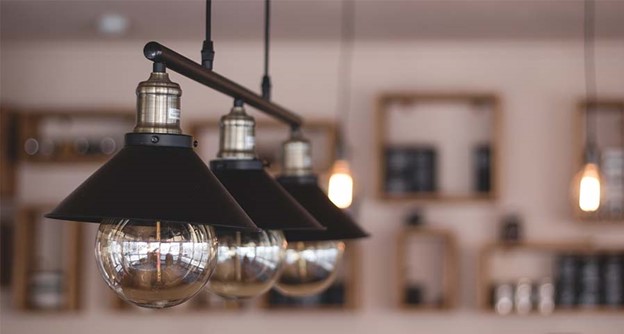
When retrofitting your LEDs, lightbulbs have various illuminance. Theres different ways to measure the lighting of…

Understanding light measurements, luminance and foot-candle can help when choosing the perfect bulb for you next…

Exit signs and emergency lighting need to be in accordance with the NFPA, OSHA, and other…
When retrofitting your LEDs, lightbulbs have various illuminance. Theres different ways to measure the lighting of your next retrofit.
Understanding light measurements, luminance and foot-candle can help when choosing the perfect bulb for you next retrofit.
Exit signs and emergency lighting need to be in accordance with the NFPA, OSHA, and other state or local ordinances.