
Lighting Measurements – An In-depth Guide Part 1
When retrofitting your LEDs, lightbulbs have various illuminance. Theres different ways to measure the lighting of…


As the green building market continues to evolve, LEED certification remains one of the most widely recognized frameworks for measuring and validating sustainable building performance. Developed by the U.S. Green Building Council (USGBC), LEED (Leadership in Energy and Environmental Design) delivers a structured rating system that helps project teams design, construct, and operate buildings that use less energy and water, reduce emissions, improve indoor environmental quality, and support healthier neighborhoods.
LEED certification applies to a wide range of project types, including new construction, major renovations, interior fit-outs, existing building operations, neighborhoods, and entire cities. Projects earn points across categories such as energy efficiency, water conservation, materials, site sustainability, and human health, and are awarded certification levels, Certified, Silver, Gold, or Platinum, based on total performance. For owners, developers, and tenants, LEED certification signals lower operating costs, stronger asset value, and compliance with long-term ESG and decarbonization goals.
With the launch of LEED v5 in 2024, the program entered a new phase that places even greater emphasis on carbon reduction, resilience, equity, and performance outcomes. As with previous version updates, earlier rating systems are now moving into a formal transition period. This update introduces important LEED certification deadlines for 2026 and beyond, and project teams must understand when to plan new registrations or continue with LEED v4 and LEED v4.1.
For most commercial rating systems under LEED v4 and LEED v4.1, including Building Design and Construction (BD+C), Interior Design and Construction (ID+C), and Operations and Maintenance (O+M), registration will close on June 30, 2026. Projects that intend to pursue certification under these versions must be registered in the LEED platform by that date. An exception applies to LEED v4.1 O+M recertification projects, which have been granted a one-year extension and may register through June 30, 2027, to support a gradual transition for existing certified buildings.
While registration will close in 2026, certification itself will remain available for several more years. All projects properly registered under LEED v4 or v4.1 will have until June 30, 2032, to submit their initial certification application for review by GBCI. After that date, these versions will officially close for new certifications, completing the phase-out process.
At the same time, LEED v5 registration and certification are already open for BD+C, ID+C, and O+M projects through the Arc platform. Project teams starting new developments or major renovations in 2026 and beyond may find it advantageous to align directly with LEED v5, particularly as utilities, investors, and municipalities steadily prioritize carbon performance and advanced building analytics.
Other LEED programs, including Homes, Neighborhood Development, Cities, Communities, Volume, Campus and Group, LEED Zero, Transit, and Existing Interiors, will continue using LEED v4 and v4.1 for now, with detailed transition timelines to LEED v5 expected in future guidance from USGBC.
Knowing these LEED certification deadlines for 2026 is critical for owners, designers, and facility managers planning capital projects, portfolio upgrades, or sustainability roadmaps. Registering under the appropriate version, selecting the right pathway, and aligning project schedules with certification windows can protect eligibility for incentives, support ESG reporting, and secure long-term asset competitiveness. As LEED continues to progress, early planning and informed version selection will remain key to achieving meaningful, verifiable sustainability outcomes.
Besides environmental impact, LEED certification delivers measurable business and operational benefits. LEED-certified buildings typically achieve lower energy and water costs, reduced maintenance expenses, and improved asset value, while supporting healthier indoor environments that enhance occupant comfort, productivity, and retention. For owners and investors, LEED certification additionally strengthens ESG reporting, supports regulatory compliance, and signals long-term risk mitigation and sustainability leadership in an increasingly performance-driven real estate market.
Click here to read the full article, originally published January 21, 2026, by LEED.

When retrofitting your LEDs, lightbulbs have various illuminance. Theres different ways to measure the lighting of…

Understanding light measurements, luminance and foot-candle can help when choosing the perfect bulb for you next…
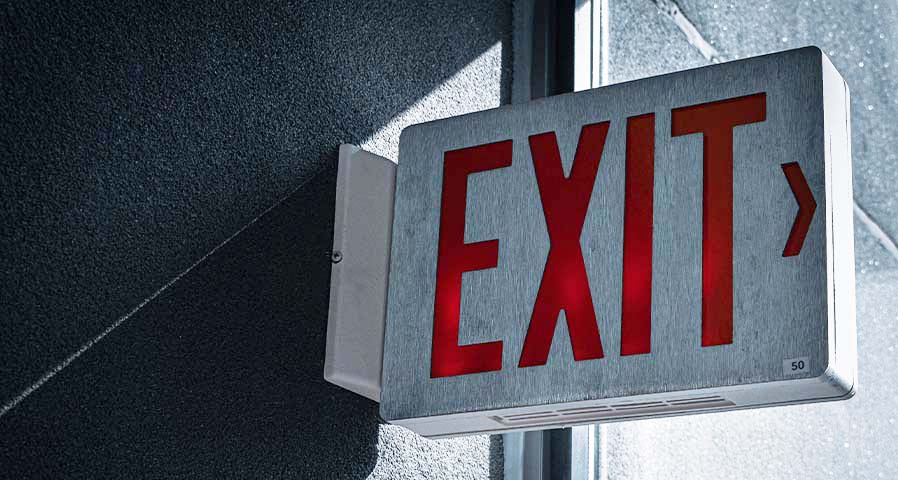
Exit signs and emergency lighting need to be in accordance with the NFPA, OSHA, and other…
When retrofitting your LEDs, lightbulbs have various illuminance. Theres different ways to measure the lighting of your next retrofit.
Understanding light measurements, luminance and foot-candle can help when choosing the perfect bulb for you next retrofit.
Exit signs and emergency lighting need to be in accordance with the NFPA, OSHA, and other state or local ordinances.