

Lighting Measurements – An In-depth Guide Part 1
When retrofitting your LEDs, lightbulbs have various illuminance. Theres different ways to measure the lighting of…


Parking lots and exterior areas have always been high-risk zones after dark, but in 2026, the stakes are even higher for landlords and property owners. Rising tenant expectations, increased insurance scrutiny, ongoing crime-reduction studies, and accelerated maintenance costs all point toward one conclusion: exterior lighting is no longer just a maintenance line item. It’s a liability shield, a tenant-retention tool, and a direct contributor to property value.
At the same time, utilities across the country continue expanding incentive programs, making early rebate recovery planning essential for landlords preparing upgrades in 2026. Whether managing a shopping center, multifamily complex, or commercial campus, this year brings new opportunities and new risks for exterior lighting performance.
Research continues to reinforce the link between lighting and crime prevention. Large-scale studies in major cities show that improved exterior lighting can reduce crime by more than one-third. As surveillance systems and smart analytics become more common, lighting now plays a critical role in ensuring cameras capture clear, usable footage, which is something property owners increasingly rely on for liability protection.
But 2026 introduces several new pressures:
Tenant Concerns
Tenants today report safety concerns more frequently and expect swift repairs. Dark spots, flickering fixtures, and inconsistent illumination drive complaints, lower satisfaction, and ultimately impact renewals.
Insurance Carriers
Poor exterior lighting has become a red flag for insurers. Properties with outdated lighting technology are seeing rising premiums and, in some cases, coverage exclusions when lighting is proven inadequate during an incident.
Maintenance Costs
Legacy systems such as metal halide and high-pressure sodium are more expensive than ever to maintain, with lamps burning out faster and parts harder to source. Failing to replace them results in outages that tenants notice immediately.
Legal Liability
Courts may interpret poor lighting as negligence. If a tenant or visitor is harmed in a poorly lit area, landlords can face significant legal and financial exposure.
This combination makes lighting upgrades not just beneficial but necessary for responsible property management in 2026.

Tenant complaints are often the first indication that lighting has fallen below acceptable levels. Common issues include:
When tenants don’t feel safe, it affects everything: after-hours business activity, residential comfort, perceptions of property quality, and even leasing decisions. In shopping centers, poor exterior lighting directly impacts foot traffic. In multifamily settings, it fuels turnover and negative online reviews.
Addressing complaints reactively is costly. Landlords who wait until issues escalate often end up paying more in emergency repairs, tenant concessions, insurance increases, and reputational damage.
A single outage can create a perception of neglect. Multiple outages create a safety hazard. By 2026, LED lifespan expectations will have grown even longer, but older systems will be failing at an accelerating rate.
Outages occur more frequently due to:
LED fixtures with 100,000-hour lifespans dramatically reduce outages and significantly lower labor costs. They also integrate with smart lighting systems that alert property managers when a fixture fails by preventing the long dark periods that lead to accidents or crime.
Parking areas remain one of the most vulnerable locations on commercial and multifamily properties after dark. Poor illumination increases risk in three ways:
Visibility Issues
Drivers cannot see pedestrians, curbs, or obstacles. Walkers cannot identify threats or navigate safely.
Crime Risk
Well-lit areas deter criminal behavior and improve camera visibility. Dark zones provide cover for theft, vandalism, and assaults.
Liability Exposure
If an incident occurs in a poorly lit zone, courts may rule that inadequate lighting contributed to the event.
This year, more municipalities are referencing IES lighting standards and updating local codes around minimum illumination levels. Landlords with outdated lighting will increasingly face compliance hurdles alongside safety risks.
Maintenance costs for older lighting systems have risen sharply due to labor, part scarcity, and frequent failures. Metal halide and HPS systems require constant attention: re-lamping, ballast replacements, and troubleshooting.
LED systems dramatically reduce these expenses by:
For landlords managing multiple properties, these savings multiply quickly by improving NOI and reducing operational strain.

Utility rebates for LED and exterior lighting upgrades remain one of the most effective ways for landlords to offset project costs. But in 2026, early action is critical. Many programs have limited funding windows, pre-approval requirements, and documentation steps that take time.
Planning rebate recovery early ensures:
For large exterior upgrades, rebates can reduce project costs by 20–40 percent, significantly shortening payback periods.
Upgrading in 2026 means more than swapping out fixtures. Strategic design enhances safety, reduces complaints, and improves tenant satisfaction. Key design considerations include:
Mounting height and spacing
Proper placement eliminates shadows and coverage gaps.
Beam angles
Optimized angles ensure even illumination and minimize glare.
Smart controls
Motion sensors, dimming schedules, and remote monitoring preserve safety while reducing unnecessary energy use.
Color temperature
Neutral white (4000K–5000K) improves visibility, facial recognition, and CCTV performance.
A well-designed lighting layout offers practical, financial, and aesthetic benefits that tenants immediately notice.
Landlords preparing parking lot upgrades and exterior lighting upgrades should begin planning immediately. Early audits, photometric design, and rebate pre-approvals ensure projects move smoothly and maximize financial benefit.
Waiting too long results in losing rebate opportunities, higher maintenance costs, and increased safety risks. Upgrading exterior lighting is one of the most cost-effective ways to increase property value, reduce operating costs, and protect tenants. Reach out to Action Services Group to begin planning your lighting upgrades. Call 610-558-9773, email [email protected], or schedule a call with the button below.
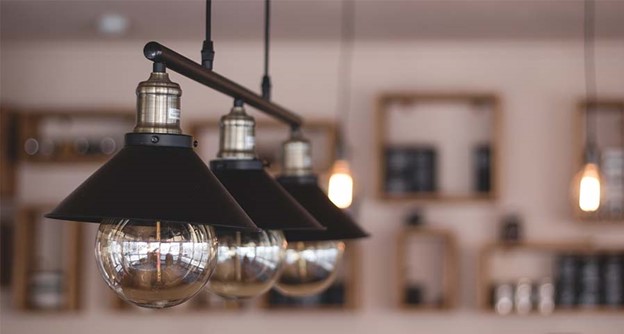
When retrofitting your LEDs, lightbulbs have various illuminance. Theres different ways to measure the lighting of…
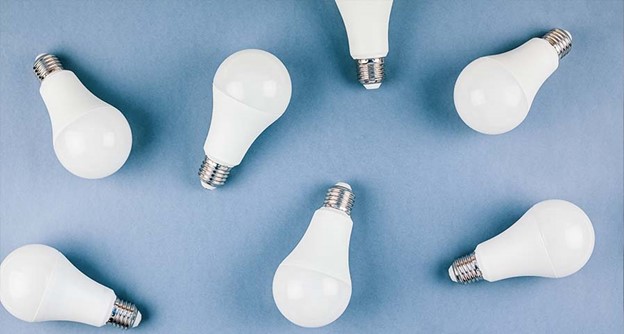
Understanding light measurements, luminance and foot-candle can help when choosing the perfect bulb for you next…
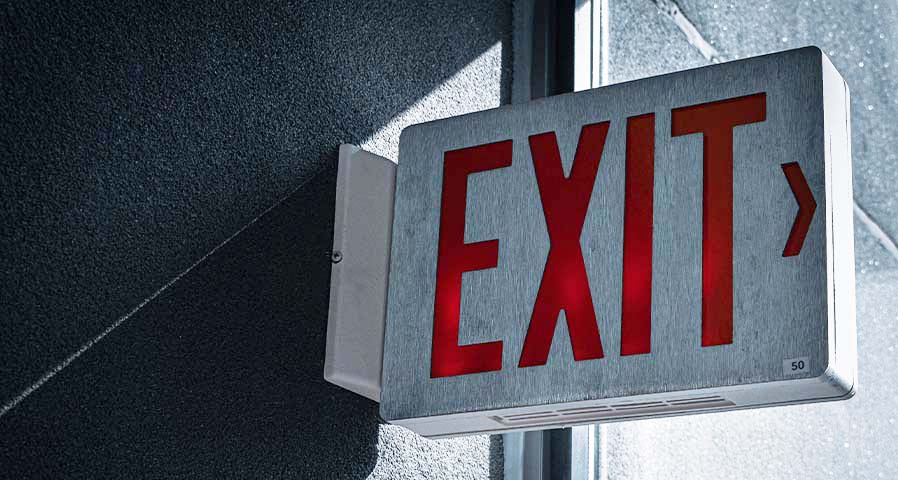
Exit signs and emergency lighting need to be in accordance with the NFPA, OSHA, and other…
When retrofitting your LEDs, lightbulbs have various illuminance. Theres different ways to measure the lighting of your next retrofit.
Understanding light measurements, luminance and foot-candle can help when choosing the perfect bulb for you next retrofit.
Exit signs and emergency lighting need to be in accordance with the NFPA, OSHA, and other state or local ordinances.