

What Are the Requirements for Exit Signs and Emergency Lighting?
Exit signs and emergency lighting need to be in accordance with the NFPA, OSHA, and other…

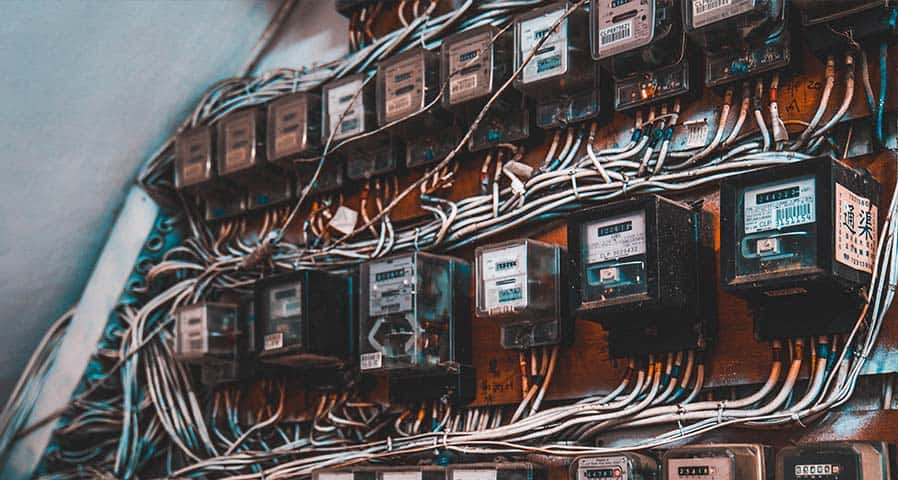
This blog was originally published March 23, 2023, and was updated March 12, 2026.
Commercial buildings require electrical wiring systems that can safely support large electrical loads, complex equipment, and long operating hours. Choosing the correct commercial electrical wiring method helps ensure safety, code compliance, and reliable performance for modern systems.
What are the most common types of commercial electrical wiring used in buildings?
Commercial electrical wiring refers to the wiring methods used to distribute power throughout commercial buildings such as offices, warehouses, healthcare facilities, retail spaces, and manufacturing environments.
Unlike residential systems, commercial electrical systems must support larger loads, complex distribution infrastructure, and a wide variety of equipment. Proper installation ensures safe operation, reliable power distribution, and compliance with the National Electrical Code (NFPA 70).
Selecting the right electrical wiring system is essential for maintaining safe building operations and ensuring that the electrical infrastructure can adapt to future upgrades.
The most common commercial electrical wiring methods used in modern commercial electrical systems include:
Each wiring system serves a different role within a building’s electrical distribution infrastructure and is selected based on electrical load requirements, building design, and installation conditions.
These wiring systems are commonly used in commercial electrical installations across industries such as retail, healthcare, manufacturing, logistics, and corporate office environments.

Electrical raceways are protective conduit systems used to route and protect electrical conductors throughout a commercial building. Conductors inside the raceway are typically insulated wires such as THHN, THWN, or XHHW.
Raceways are one of the most widely used commercial electrical wiring methods because they provide strong protection while allowing circuits to be modified or expanded as electrical systems evolve.
Common types of electrical raceways used in commercial electrical installations include:
Electrical busways, also called bus ducts, are enclosed with conductor systems designed to distribute large electrical loads throughout commercial or industrial facilities.
Busways are manufactured assemblies that contain metal conductors within a protective enclosure and are commonly used to distribute large electrical loads efficiently.
These systems are frequently installed in manufacturing plants, data centers, and large commercial facilities where electrical distribution infrastructure must support significant power demand.
Two common types of busway systems include:
Plug-in busways allow equipment loads to be connected at multiple points along the system.
Feeder busways distribute power between major electrical distribution equipment such as switchgear, transformers, and panelboards.
Choose the Right Electrical Partner for Your Facility
Selecting the right electrical contractor can impact safety, system reliability, and long-term operational costs. Before starting your next project, download Choose the Best Electrical Service Provider to learn what to look for in an electrical partner, including certifications and safety practices, service capabilities, and project management expertise.
When you’re ready, schedule a call with our experts to discuss your facility needs and determine the best path forward.
Electrical cable assemblies combine multiple conductors within a protective outer sheath. These assemblies typically include insulated phase conductors, neutral wires, and grounding conductors.
Cable assemblies are commonly used in commercial electrical installations for branch circuits, lighting systems, and equipment connections.
Common types of commercial cable assemblies include:
Selecting the right commercial electrical wiring method depends on the building design, electrical load requirements, and environmental conditions.
| Wiring Type | Installation Flexibility | Protection Level | Typical Use |
| Electrical Raceways | Moderate | High | Offices, hospitals, retail buildings |
| Electrical Busways | Moderate | Medium | Manufacturing plants, data centers |
| Cable Assemblies | High | Medium | Commercial buildings, warehouses |
Each of these wiring methods plays an important role in commercial electrical systems, helping facilities maintain safe and efficient electrical distribution infrastructure.
Well-designed commercial electrical wiring systems ensure safe power distribution, reduce operational risks, and support long-term building performance.
Electrical systems must support lighting systems, HVAC equipment, machinery, and building technology platforms while remaining compliant with NEC safety standards.
Reliable installation also makes it easier for organizations to upgrade equipment, expand facilities, or integrate modern building technologies in the future.
If your facility is planning electrical upgrades or LED lighting retrofits, upgrading electrical infrastructure may also be necessary.

What is commercial electrical wiring?
Commercial electrical wiring refers to the electrical systems used to distribute power throughout commercial buildings such as offices, warehouses, hospitals, and manufacturing facilities. These systems must support larger electrical loads and meet National Electrical Code safety requirements.
What is the most common commercial electrical wiring method?
Electrical raceways using EMT conduit are among the most common wiring methods because they protect conductors while allowing circuits to be modified or expanded over time.
What is the difference between busways and conduit wiring?
Busways distribute electricity through enclosed conductor systems designed for high-capacity loads, while conduit wiring uses individual conductors pulled through protective conduit pathways.
Are cable assemblies used in commercial electrical installations?
Yes. Cable assemblies such as MC cable and armored cable are widely used in commercial electrical installations because they allow faster installation and flexible routing for branch circuits.
Why must commercial electrical installations follow NEC standards?
Commercial electrical installations must comply with the National Electrical Code (NFPA 70) to ensure electrical safety, proper grounding, and reliable electrical distribution infrastructure.
How can businesses ensure their commercial electrical wiring is installed correctly?
Choosing the right electrical wiring system helps ensure building safety, electrical reliability, and long-term facility performance. Whether your project requires raceways, busways, or cable assemblies, proper design and professional installation are critical for maintaining efficient commercial electrical systems.
Action Services Group provides comprehensive electrical services for commercial facilities nationwide, including electrical system upgrades, wiring installations, lighting retrofits, and ongoing electrical maintenance. Our team helps organizations ensure their electrical infrastructure is installed safely, operates efficiently, and supports long-term facility performance.
To learn more about how Action Services Group can support your next commercial electrical project, call 610-558-9773, email [email protected], or schedule a consultation with our team today.

Exit signs and emergency lighting need to be in accordance with the NFPA, OSHA, and other…

Action Services Group has acquired Stouch Lighting to advance national LED upgrades, turnkey lighting solutions, LED…

Outsourcing lighting upgrades and maintenance needs improves tenant retention and boosts ROI for property managers.
Exit signs and emergency lighting need to be in accordance with the NFPA, OSHA, and other state or local ordinances.
Action Services Group has acquired Stouch Lighting to advance national LED upgrades, turnkey lighting solutions, LED retrofit services and lighting…
Outsourcing lighting upgrades and maintenance needs improves tenant retention and boosts ROI for property managers.