

Lighting Measurements – An In-depth Guide Part 1
When retrofitting your LEDs, lightbulbs have various illuminance. Theres different ways to measure the lighting of…


Smart buildings and AI are reshaping how commercial facilities operate, using artificial intelligence and connected systems to automate decisions, improve efficiency, and enhance occupant comfort. When applied strategically, AI enables buildings to move from reactive management to proactive, data-driven operations. However, as sensor technology becomes cheaper and easier to deploy, many buildings are experiencing sensor fatigue, where too much data undermines the very intelligence AI is meant to deliver. Understanding how AI is used today, where sensor overload becomes a problem, and what best practices look like is essential for long-term success.
Artificial intelligence in modern buildings relies on continuous streams of data collected from sensors embedded throughout the facility. These sensors monitor variables such as temperature, occupancy, lighting levels, equipment performance, and indoor air quality. AI models analyze this data to identify patterns, predict outcomes, and automate responses in real time.
Data-driven results are central to how smart buildings and AI create value. For example, AI can detect occupancy trends and adjust HVAC and lighting schedules to reduce energy use during low-demand periods. Predictive maintenance algorithms use historical equipment data to anticipate failures before they occur, reducing downtime and extending asset life. AI also supports energy optimization by analyzing peak demand patterns and automatically shifting loads to lower-cost periods. In all cases, the quality and relevance of the data directly affect the accuracy of AI-driven decisions and the reliability of automation.
Sensor fatigue occurs when a building collects more data than it can effectively analyze or act upon. The assumption that more sensors lead to better artificial intelligence outcomes is a common misconception. In practice, excessive sensors often generate redundant, low-impact, or irrelevant data that clutters analytics platforms and obscures meaningful insights.
Over-instrumentation can overwhelm AI models, forcing them to process unnecessary information such as insignificant temperature variations or overlapping occupancy data from multiple sources. This excess noise reduces the clarity of results and can slow automated responses. For building operators, sensor fatigue also shows up in dashboards overloaded with metrics, alerts, and charts that make it harder to identify what requires attention. Instead of enabling smarter decisions, the system becomes harder to manage and trust.
Sensor fatigue also increases costs. Additional sensors add installation, calibration, maintenance, and cybersecurity burdens. Without regular evaluation, buildings often continue collecting data that no longer supports operational goals, turning smart systems into inefficient data warehouses rather than intelligent control platforms.
Effective use of AI in smart buildings starts with defining clear objectives. Whether the goal is reducing energy consumption, improving occupant comfort, or extending equipment life, sensor deployment should be tightly aligned with those outcomes. Collecting only the data required to support specific decisions ensures AI systems remain focused and efficient.
Prioritizing data quality over quantity is another critical best practice. High-quality, well-placed sensors feeding reliable data produce better AI insights than dense networks of redundant devices. Regular sensor audits help identify underutilized or irrelevant sensors and allow operators to simplify their systems over time.
Dashboard design also plays a major role in avoiding sensor fatigue. Simplified, organized dashboards that emphasize key performance indicators enable faster decision-making and reduce information overload. Secondary data should be available for deeper analysis without dominating the main operational view.
Smart buildings and AI succeed when artificial intelligence is treated as a decision-support and automation tool, not a justification for collecting unlimited data. By avoiding over-instrumentation, maintaining focused sensor strategies, and continually aligning data collection with building goals, organizations can unlock the full value of AI while keeping systems manageable, efficient, and resilient.
Click here to read the full article, originally published September 9, 2025, by Buildings.com.

When retrofitting your LEDs, lightbulbs have various illuminance. Theres different ways to measure the lighting of…
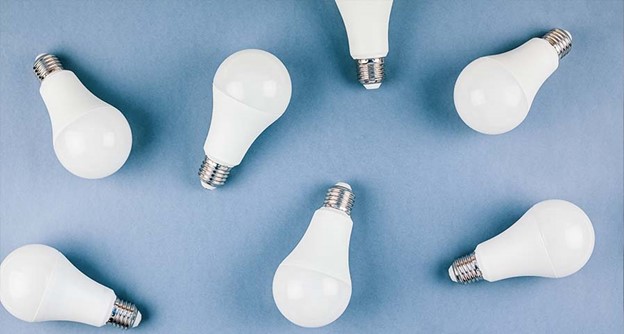
Understanding light measurements, luminance and foot-candle can help when choosing the perfect bulb for you next…

Exit signs and emergency lighting need to be in accordance with the NFPA, OSHA, and other…
When retrofitting your LEDs, lightbulbs have various illuminance. Theres different ways to measure the lighting of your next retrofit.
Understanding light measurements, luminance and foot-candle can help when choosing the perfect bulb for you next retrofit.
Exit signs and emergency lighting need to be in accordance with the NFPA, OSHA, and other state or local ordinances.