

Lighting Measurements – An In-depth Guide Part 1
When retrofitting your LEDs, lightbulbs have various illuminance. Theres different ways to measure the lighting of…


For decades, office lighting was treated as a basic utility, a functional necessity with little strategic consideration beyond providing enough illumination to work. Today, that mindset is changing rapidly. The global market for human centric lighting in the workplace, valued at $2.27 billion in 2024 and projected to reach $8.73 billion by 2030, reflects a growing understanding that light directly influences how people feel, think, and perform at work.
As organizations rethink how to support hybrid teams, reduce burnout, and improve productivity, lighting is emerging as a critical design and operational tool. When aligned with human biology and integrated with smart building technologies, office lighting for performance can enhance employee wellbeing while also delivering measurable gains in efficiency.
Traditional office lighting systems are typically static, overly bright, and poorly aligned with the body’s natural rhythms. An American Society of Interior Design study found that 68% of employees complain about their workplace lighting, citing eye strain, headaches, and fatigue. These issues are not just comfort concerns; they are performance issues.
Human beings are biologically tuned to the 24-hour circadian cycle, which regulates alertness, hormone production, and sleep quality. Lighting that fails to support this cycle can suppress or delay natural signals for wakefulness and rest. Over time, this disruption contributes to reduced concentration, lower energy levels, and increased stress. Those factors directly affect cognitive performance, decision-making, and overall productivity. In a business environment where mental focus and creativity are essential, poorly designed lighting becomes an invisible barrier to success.
Human centric lighting systems are designed to mirror the natural progression of daylight, dynamically adjusting color temperature and intensity throughout the day. Cooler, brighter light in the morning supports alertness and focus, while warmer tones later in the day help prepare the body for rest. This approach aligns the workplace with human biology rather than working against it.
Research highlights the impact of this strategy. A Cornell University study found that employees in well-daylit environments reported a 56% reduction in drowsiness and a 63% decrease in headaches. Improved sleep quality and more stable energy levels translate into sharper attention, faster task completion, and fewer errors. In this way, employee wellbeing becomes a direct driver of operational performance.
Beyond biology, smart lighting systems also provide valuable data. Integrated sensors can monitor occupancy, movement patterns, and space utilization, giving facility managers insight into how different areas of the office are actually used. This information supports better space planning, reduced energy waste, and more responsive building operations. Lighting, once a passive utility, becomes an active contributor to workplace intelligence.
Modern work environments must support a wide range of tasks and personal preferences. Human centric lighting in the workplace enables personalization, allowing employees to adjust light levels and tones at their desks to suit focus work, collaboration, or screen-intensive tasks. This sense of control has been linked to higher satisfaction and perceived productivity.
At a broader level, lighting scenes can be tailored for different zones, such as energizing light for meeting areas, balanced neutral light for open offices, and softer tones for quiet rooms. Such flexibility supports diverse work styles and reinforces a culture that values comfort, health, and performance.
As standards such as WELL and LEED continue to emphasize health-focused design, lighting is becoming a cornerstone of high-performance workplaces. By investing in office lighting for performance that supports circadian health, provides actionable data, and adapts to individual needs, organizations can create environments that actively enhance employee wellbeing.
In the future of work, lighting is no longer just about seeing clearly. It is about thinking clearly, feeling energized, and sustaining high levels of performance. Companies that embrace human centric strategies will be better positioned to attract talent, improve productivity, and build healthier, more resilient organizations.
Click here to read the full article, originally published January 14, 2026, by Buildings.com
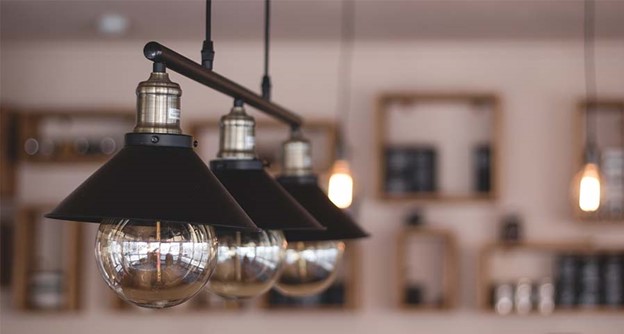
When retrofitting your LEDs, lightbulbs have various illuminance. Theres different ways to measure the lighting of…
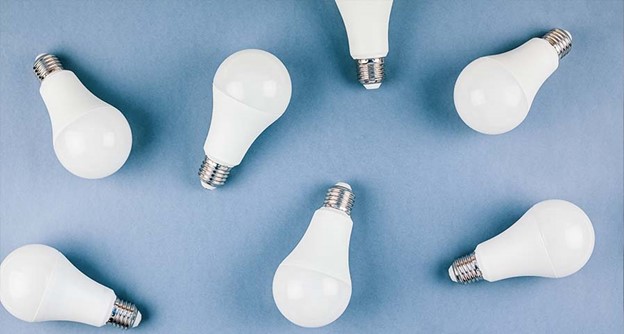
Understanding light measurements, luminance and foot-candle can help when choosing the perfect bulb for you next…

Exit signs and emergency lighting need to be in accordance with the NFPA, OSHA, and other…
When retrofitting your LEDs, lightbulbs have various illuminance. Theres different ways to measure the lighting of your next retrofit.
Understanding light measurements, luminance and foot-candle can help when choosing the perfect bulb for you next retrofit.
Exit signs and emergency lighting need to be in accordance with the NFPA, OSHA, and other state or local ordinances.