

Lighting Measurements – An In-depth Guide Part 1
When retrofitting your LEDs, lightbulbs have various illuminance. Theres different ways to measure the lighting of…

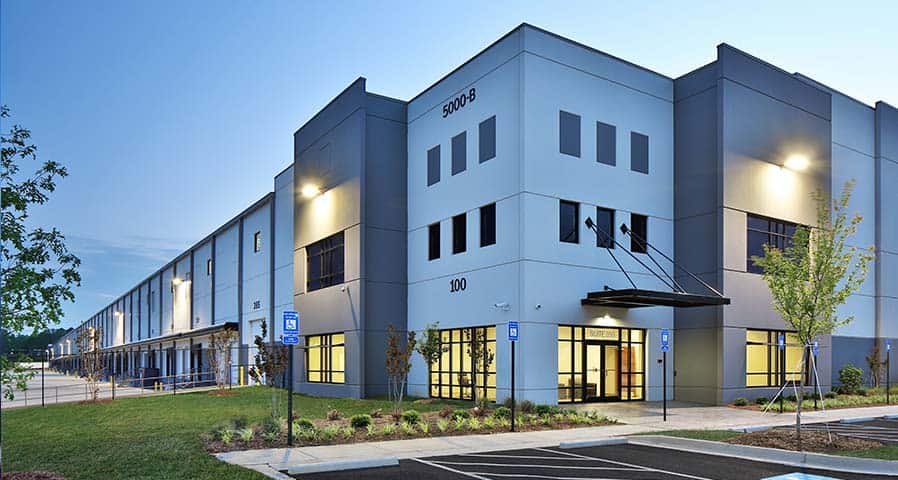
Prepare your commercial property for fall by checking parking lot visibility, servicing exterior fixtures, and updating lighting controls. Earlier sunsets can leave employees and visitors navigating dark areas before existing schedules activate the lights.
Use this commercial building maintenance checklist before the end of daylight saving time to address lighting problems and reduce unnecessary energy use.
Conduct a nighttime walkthrough during normal property use to evaluate visibility.
A foot-candle measures light reaching a surface; 1 foot-candle equals approximately 10.76 lux.
Evaluate minimum illumination and uniformity together. An acceptable average can hide dark spots between fixtures. Appropriate light levels depend on pedestrian activity, security needs, and surrounding conditions, so evaluate parking areas and walkways individually.
Focus maintenance on fixtures serving entrances, stairs, ramps, and loading areas.
Evaluate these areas separately from general parking. Stairs need visible elevation changes, while loading docks need illumination suited to loading tasks. One exterior foot-candle target will not address every application.
Use daylight and occupancy to guide schedules rather than applying fixed hours year-round.
An astronomical timer calculates sunrise and sunset times using the date and programmed geographic location.
| Lighting Area | Scheduling Approach |
| Parking lots | Activate as daylight fades; maintain appropriate lighting through final departures. |
| Entrances and walkways | Maintain lighting during use after dark. |
| Loading docks | Match operation to deliveries and staff activity. |
| Decorative lighting and signage | Coordinate with business hours and local restrictions. |
Preserve required exterior exit lighting when adjusting schedules. Confirm automatic daylight saving adjustment separately from astronomical scheduling.
Test controls under actual operating conditions.
A photocell detects ambient light and signals fixtures to switch on or off at a set threshold.
Include related systems, then assign follow-up work.
Why do my commercial exterior lights turn on too late after the time change?
Incorrect clocks, outdated schedules, or artificial light reaching a photocell can delay activation.
Why are my parking lot lights staying on during the day?
Check for manual overrides, incorrect timer settings, and obstructed or failed photocells.
Should I replace aging parking lot lights with LEDs before winter?
Consider replacement when repeated failures, poor visibility, or maintenance costs justify an upgrade. Compare light distribution, controls compatibility, and installation costs.
How can I reduce exterior lighting costs without making my property too dark?
Eliminate daytime operation and apply appropriate scheduling or dimming while preserving illumination needed for occupants and security.
Complete your fall maintenance review early enough to address repairs and verify results after dark. Reliable fixtures and properly configured controls help your property stay ready for longer nights without unnecessary lighting operation.
Click here to read the full article by High Profile.
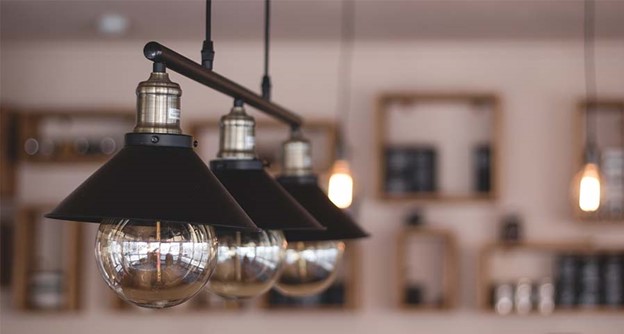
When retrofitting your LEDs, lightbulbs have various illuminance. Theres different ways to measure the lighting of…
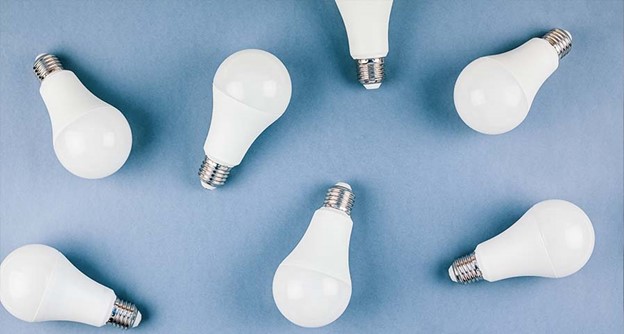
Understanding light measurements, luminance and foot-candle can help when choosing the perfect bulb for you next…

Exit signs and emergency lighting need to be in accordance with the NFPA, OSHA, and other…
When retrofitting your LEDs, lightbulbs have various illuminance. Theres different ways to measure the lighting of your next retrofit.
Understanding light measurements, luminance and foot-candle can help when choosing the perfect bulb for you next retrofit.
Exit signs and emergency lighting need to be in accordance with the NFPA, OSHA, and other state or local ordinances.