

Lighting Measurements – An In-depth Guide Part 1
When retrofitting your LEDs, lightbulbs have various illuminance. Theres different ways to measure the lighting of…

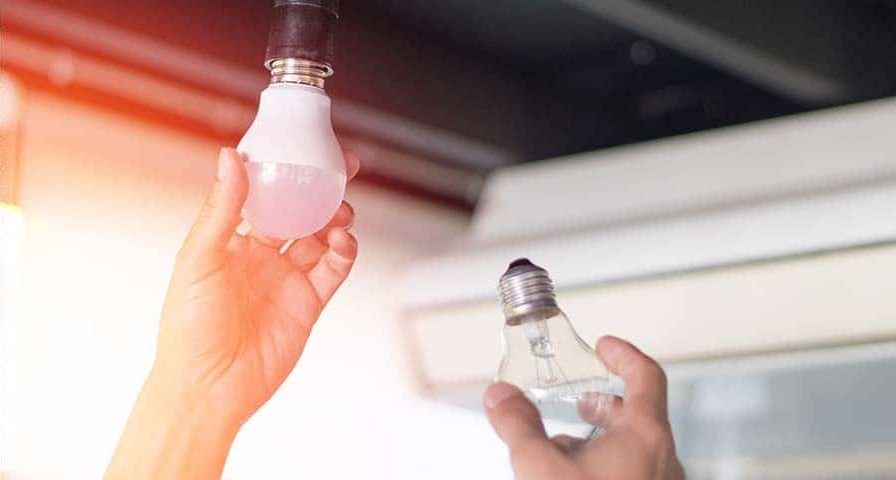
Part 1 of a four-part series on commercial LED lifespan and performance.
Commercial LED lifespan depends on more than the number printed on a specification sheet. Facility managers must consider daily operating hours, fixture construction, environmental conditions, and the reliability of components that power the LEDs.
Commercial LED lighting commonly carries rated-life claims of 50,000 to 100,000 operating hours, equivalent to approximately 5.7 to 11.4 years of continuous 24/7 use or 11.4 to 22.8 years at 12 hours daily. Driver failure is a common reason fixtures stop working before their LED chips reach the projected light-output threshold, so these ratings do not guarantee complete-fixture service life.
Rated life helps establish expectations, but actual conditions determine maintenance needs and replacement timing.
LED rated life describes the operating time at which a fixture meets a stated performance threshold under specified conditions. Many ratings describe projected light-output maintenance rather than when a fixture stops working.
Two industry methods help manufacturers evaluate LED-source performance:
These methods do not, by themselves, establish the lifespan of drivers, controls, wiring connections, or the complete fixture.
Do LED lights really last 50,000 hours? They can, and some products support projections of 100,000 hours or more. Verify the rating’s supporting data, temperature assumptions, and performance criteria before using it in a replacement forecast.

Divide rated operating hours by annual operating hours to estimate the years needed to accumulate that usage.
Estimated years to rated hours = rated operating hours ÷ annual operating hours.
| Operating schedule | Annual operating hours | Years to 50,000 hours | Years to 100,000 hours |
| 8 hours daily, 5 days weekly | 2,080 | 24.0 | 48.1 |
| 12 hours daily, every day | 4,380 | 11.4 | 22.8 |
| 16 hours daily, every day | 5,840 | 8.6 | 17.1 |
| 24 hours daily, every day | 8,760 | 5.7 | 11.4 |
These are usage calculations, not promises of decades of uninterrupted service. Calendar aging, component failures, parts availability, and changing building requirements can shorten the practical life expectancy of LED fixtures.
LEDs generate light through semiconductor materials. Fluorescent and high-intensity discharge, or HID, lamps produce light through an electrical discharge in gas or vapor.
Traditional lamp rated life generally indicates when half of a tested lamp population fails under specified conditions. LED ratings often emphasize gradual light-output decline instead, making direct comparisons imperfect.
Fluorescent and HID lamps also lose brightness, and their ballasts have separate service lives. Compare complete systems and rating definitions rather than assuming every LED product outlasts every traditional lamp.
Both outcomes are possible. LED sources commonly experience lumen depreciation, meaning their light output gradually decreases, while electrical components can fail suddenly.
L70 and L80 are useful-life benchmarks that indicate when the rated LED source or fixture is projected to retain 70% or 80% of its initial light output. They are not automatic replacement deadlines.
A fixture may still operate while providing insufficient illumination. Conversely, a driver failure can cause an outage while the LEDs remain usable.
See How Longer-Lasting LED Lighting Delivers Real-World Savings
Understanding LED lifespan and rated life is essential for evaluating the long-term value of a commercial lighting investment. Longer-lasting LED technology can help reduce fixture replacements, lower maintenance labor costs, minimize disruptions, and deliver substantial energy savings over time. Selecting the right lighting products and implementing a well-planned LED upgrade can help organizations maximize these benefits while improving lighting performance and operational efficiency.
Explore our case studies to see real-world examples of how Action Services Group has helped commercial facilities improve lighting performance, reduce energy consumption, and achieve measurable cost savings through LED lighting upgrades. Then, connect with our lighting experts to discuss your existing lighting systems, potential savings, and opportunities to maximize the long-term value of your next LED project.
The LED driver regulates electrical power supplied to the LEDs and is a common limiting component in commercial fixtures.
In drivers that use electrolytic capacitors, heat accelerates capacitor aging and electrolyte loss. This can undermine electrical performance and eventually cause flickering, intermittent operation, or failure.
Many commercial drivers have approximately 50,000-hour design-life ratings under specified conditions; higher-rated products also exist. A driver rated for 30,000 to 50,000 hours, where documented, can become the bottleneck in a fixture whose LED source supports a 100,000-hour projection. Do not apply that shorter range to every commercial driver.
Before selecting the fixture, check the driver’s lifetime at its specified case temperature, replacement availability, and service access.
Heat, electrical stress, and environmental exposure can shorten LED life expectancy even when daily operating hours match the original plan.
| Factor | Facility management directive |
| Heat | Measure temperatures around the fixture and driver; maintain required clearances. |
| Electrical conditions | Verify supply voltage, investigate recurring disturbances, and evaluate surge protection. |
| Operating schedules | Record actual hours and use compatible occupancy and daylight controls. |
| Fixture quality | Review thermal design, component documentation, seals, and repairability. |
| Environmental exposure | Specify protection appropriate for moisture, dust, chemicals, salt, and vibration. |
| Preventive maintenance | Clean optics and heat-dissipating surfaces using manufacturer-approved methods. |
“Extending LED lifespan starts with matching the fixture to the environment. Check temperatures at the mounting location, where heat can build up above the occupied space, and keep heat sinks clear of dust and debris. Use compatible controls, evaluate surge protection, and choose fixtures with replaceable drivers. Those decisions help prevent premature failures and make it easier to maintain the system without replacing an otherwise usable fixture.”
— Ted Stouch, President of Action Services Group
👉 Follow Ted Stouch on LinkedIn for more expert insights on LED lighting technology, performance, and long-term efficiency.
Standard commercial products may have maximum ambient ratings around 25°C to 40°C (77°F to 104°F). Hot industrial spaces may require high-ambient fixtures rated for 50°C to 65°C (122°F to 149°F), depending on measured conditions.
These are product-selection examples, not universal limits. A high-bay mounting position alone does not establish the required temperature rating.
Unconditioned ceiling plenums can trap heat around recessed fixtures and drivers, accelerating capacitor aging and shortening driver life. Measure conditions during representative hot periods rather than relying on the occupied-space thermostat. Keep insulation and stored materials clear wherever installation instructions require clearance.
Build a fixture inventory with model numbers, installation dates, operating hours, driver specifications, warranties, and repair history.
Use this framework when comparing repair and replacement:
Total Replacement Cost = Fixture/Driver Cost + Lift/Scaffolding Rental + Electrician Labor + Operational Disruption.
For difficult-access fixtures, combined access and labor costs can exceed the hardware price. Compare a driver repair with full-fixture replacement, including the likelihood and cost of another service visit.
Adopt these planning steps:
Is LED rated life the same as the warranty period?
No. Rated life describes expected performance, while a warranty defines contractual coverage. Review operating-hour limits, exclusions, labor coverage, and replacement terms separately.
Does UL listing verify a commercial LED fixture’s lifespan?
No. UL listing generally addresses applicable safety requirements. It does not independently confirm a 50,000-hour or 100,000-hour service-life claim.
Does dimming an LED fixture by 50% double its lifespan?
No. Compatible dimming can reduce power consumption and thermal stress, but service-life improvements depend on driver design, temperature, and operating conditions. Do not assume a proportional increase.
Understanding commercial LED lifespan helps you plan maintenance, control lifecycle costs, and make informed replacement decisions. Action Services Group can help evaluate aging lighting, identify upgrade opportunities, and coordinate LED retrofits across a single facility or a national portfolio.
Contact Action Services Group to discuss your lighting system and build a plan that supports your facility’s performance, maintenance needs, and budget. Contact us at 610-558-9773, email [email protected], or schedule a consultation tailored to your facility needs.
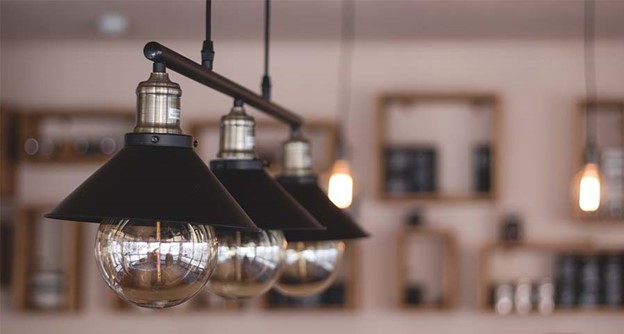
When retrofitting your LEDs, lightbulbs have various illuminance. Theres different ways to measure the lighting of…
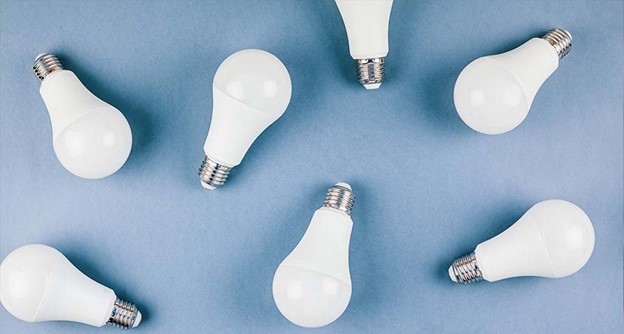
Understanding light measurements, luminance and foot-candle can help when choosing the perfect bulb for you next…
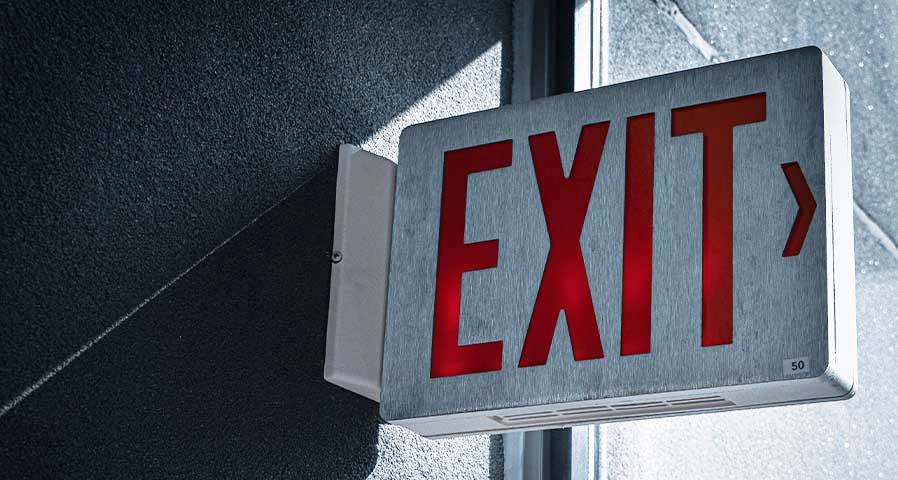
Exit signs and emergency lighting need to be in accordance with the NFPA, OSHA, and other…
When retrofitting your LEDs, lightbulbs have various illuminance. Theres different ways to measure the lighting of your next retrofit.
Understanding light measurements, luminance and foot-candle can help when choosing the perfect bulb for you next retrofit.
Exit signs and emergency lighting need to be in accordance with the NFPA, OSHA, and other state or local ordinances.