

Lighting Measurements – An In-depth Guide Part 1
When retrofitting your LEDs, lightbulbs have various illuminance. Theres different ways to measure the lighting of…

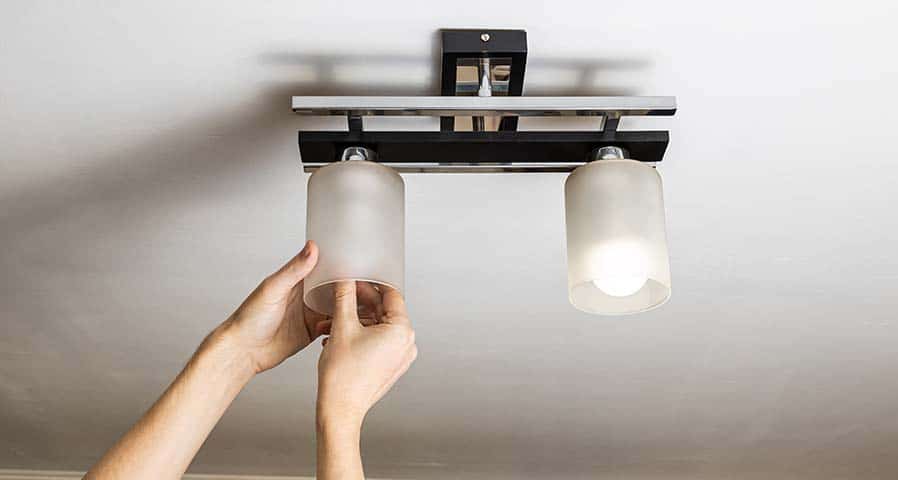
The first LED retrofit was about converting to LED. The next lighting upgrade is about assessing how much LED technology has changed, the condition of your existing system, and whether newer fixtures and controls can deliver another round of operational and energy savings.
An aging LED lighting system does not need replacement simply because newer products exist. However, declining light levels, recurring driver failures, obsolete components, limited controls, and rising maintenance costs may indicate that the system no longer meets the facility’s needs. A lighting assessment can help determine whether to maintain the equipment, replace selected components, or plan an LED-to-LED upgrade.
LEDs do not all age at the same rate. Replacement decisions should consider performance, condition, operating demands, and lifecycle costs, not calendar age alone.
What should facility managers know before replacing aging LED lighting?
Commercial LED lighting often carries a rated life of tens of thousands of operating hours, but that number is not a guaranteed replacement date. Actual service life depends on annual operating hours, ambient temperature, driver quality, electrical conditions, fixture design, dirt accumulation, and the operating environment.
A system operating 4,000 hours annually accumulates 40,000 hours in ten years. A continuously operated facility reaches that total in less than five years. Two systems installed at the same time may therefore be at different points in their useful lives.
Rated life also does not mean a fixture will suddenly turn off. LED systems may experience gradual lumen depreciation, color shift, driver failure, control failure, or deterioration of other components. The complete luminaire matters more than the LED source’s age alone.
Aging LED fixtures can remain operational while delivering less useful light. Warning signs include:
These changes can affect visibility, appearance, security, and consistency across a facility. They can also increase service costs as maintenance teams diagnose different failure modes or search for discontinued components.

LED lumen depreciation is the gradual reduction in light output as an LED operates. It differs from abrupt failure because the fixture may still turn on while producing less light.
L70 describes the operating point at which an LED light source is expected to maintain 70% of its initial output. The U.S. Department of Energy explains that LED useful-life estimates are commonly expressed in relation to this threshold. The Illuminating Engineering Society’s ANSI/IES TM-21 method projects long-term lumen maintenance from LM-80 test data. These projections do not account for every driver, control, connection, or luminaire failure.
Evaluate commercial LED lighting for replacement when it no longer provides the required illumination, reliability, efficiency, or maintainability at an acceptable cost. One failed fixture may only require repair. A pattern of declining performance may justify a broader LED lighting replacement project.
| Assessment Finding | Potential Response |
| Adequate light levels and isolated failures | Continue maintenance and monitoring |
| Serviceable fixtures with replaceable component failures | Repair or renew selected components |
| Deficiencies limited to certain areas | Upgrade targeted zones |
| Increasing failures and scarce replacement parts | Plan a phased LED-to-LED replacement |
| Lighting, controls, maintenance, and energy performance fall short | Evaluate a comprehensive Next Gen LED upgrade |
An assessment should document fixture types, operating hours, measured foot-candle levels, input wattage, control functionality, failure history, warranty status, parts availability, and maintenance costs. Photometric measurements can show whether the system still provides the required light quantity and uniformity. Utility bills or circuit-level data can establish the energy baseline.
An LED-to-LED upgrade replaces or renews an existing LED system with newer fixtures, retrofit kits, drivers, controls, or a combination of components. The goal isn’t simply to install LED again. It is to correct performance gaps and capture improvements made since the original retrofit.
A Next Gen LED upgrade may provide:
Results depend on the existing baseline. A recent, well-designed system may offer little financial reason to replace it entirely. An older system with excessive wattage, poor distribution, limited controls, or growing maintenance costs may present a stronger opportunity.
Take the Next Step in Your LED Lighting Strategy
If your original LED retrofit is beginning to show its age, replacing outdated fixtures with today’s technology can deliver more than renewed lighting performance. Next Gen LED solutions can provide greater efficiency, improved lighting quality, advanced controls, and greater flexibility, creating new opportunities to reduce energy and operating costs across your facilities.
Explore our Next Gen LED Solutions to learn how modern LED technology and lighting controls can help you get more from your lighting system, then connect with our lighting experts to evaluate whether it’s time for your next upgrade.
Fixture efficacy measures how efficiently a luminaire produces light, but it does not determine whether an area needs full output all day. Controls address how and when lighting operates.
Occupancy sensors can reduce output in vacant areas. Daylighting controls can dim electric lighting when natural light is available. Scheduling aligns operation with business hours, while task tuning sets each zone to the level actually required. Networked lighting controls may also provide centralized programming, fault monitoring, and data.
DesignLights Consortium research has documented meaningful average energy savings from networked lighting controls, but results vary by building, baseline, strategy, commissioning, and occupant behavior. Model savings based on the facility’s actual schedules and use patterns.
Compare the cost of maintaining the current system with the total cost and benefits of replacement. The analysis should include:
Simple payback is useful, but it is not the only consideration. Deteriorating light levels, hard-to-source parts, safety concerns, or disruptive failures may provide operational reasons to act before energy savings alone justify replacement.
Can Existing LED Fixtures Be Retrofitted Instead of Replaced?
Some fixtures can accept new drivers, light engines, sensors, or retrofit kits. Verify compatibility, safety listings, thermal performance, physical condition, and warranty implications before modification.
Can an LED-to-LED Retrofit Qualify for Utility Rebates?
Some utilities incentivize LED-to-LED replacements or lighting controls when projects meet program requirements. Rules vary, and formal preapproval may be mandatory.
Should Every Location in a Portfolio Be Upgraded at Once?
Not necessarily. Rank sites by operating hours, failure rates, energy use, light-level deficiencies, and project economics to prioritize the strongest opportunities.
What Records Support an Aging LED Assessment?
Gather fixture schedules, original submittals, control sequences, warranties, maintenance logs, utility data, floor plans, and previous photometric studies when available.
The first LED retrofit removed inefficient legacy lighting. The next upgrade asks whether the current LED system still delivers the light, reliability, control, and lifecycle value the facility needs.
Do not replace aging LEDs based on age alone. Measure current performance, document maintenance problems, assess newer fixtures and controls, and compare the alternatives financially. The findings may support continued maintenance, targeted renewal, a phased LED-to-LED retrofit, or a complete Next Gen LED upgrade.
Action Services Group helps commercial and multi-site organizations assess existing lighting, identify performance and maintenance gaps, and plan LED and lighting controls projects around operational and financial goals. Contact Action Services Group at 610-558-9773, email [email protected], or schedule a consultation tailored to your facility needs.
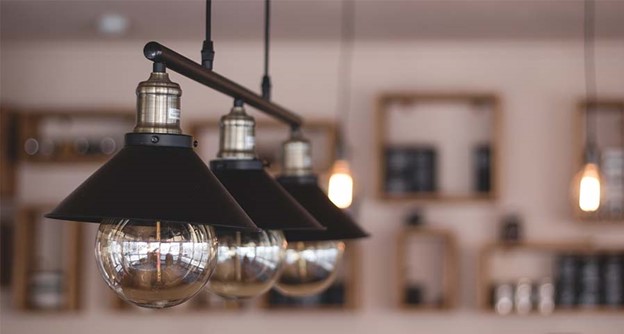
When retrofitting your LEDs, lightbulbs have various illuminance. Theres different ways to measure the lighting of…
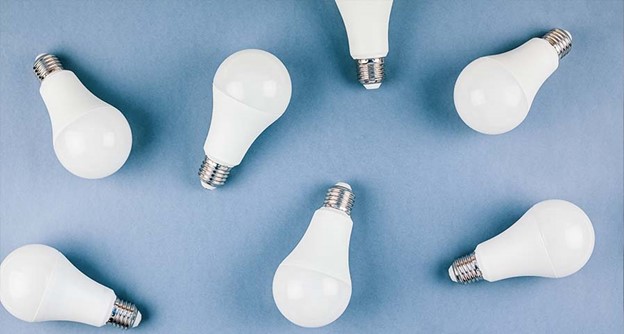
Understanding light measurements, luminance and foot-candle can help when choosing the perfect bulb for you next…
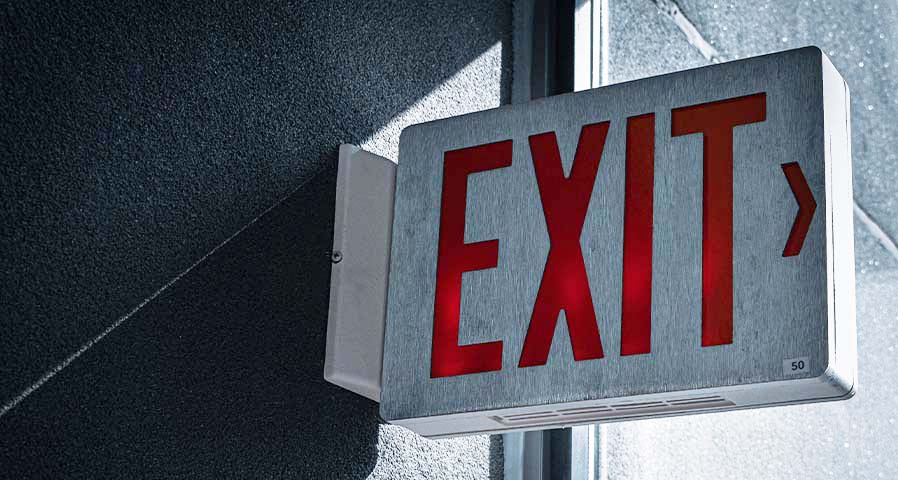
Exit signs and emergency lighting need to be in accordance with the NFPA, OSHA, and other…
When retrofitting your LEDs, lightbulbs have various illuminance. Theres different ways to measure the lighting of your next retrofit.
Understanding light measurements, luminance and foot-candle can help when choosing the perfect bulb for you next retrofit.
Exit signs and emergency lighting need to be in accordance with the NFPA, OSHA, and other state or local ordinances.