

What Are the Requirements for Exit Signs and Emergency Lighting?
Exit signs and emergency lighting need to be in accordance with the NFPA, OSHA, and other…

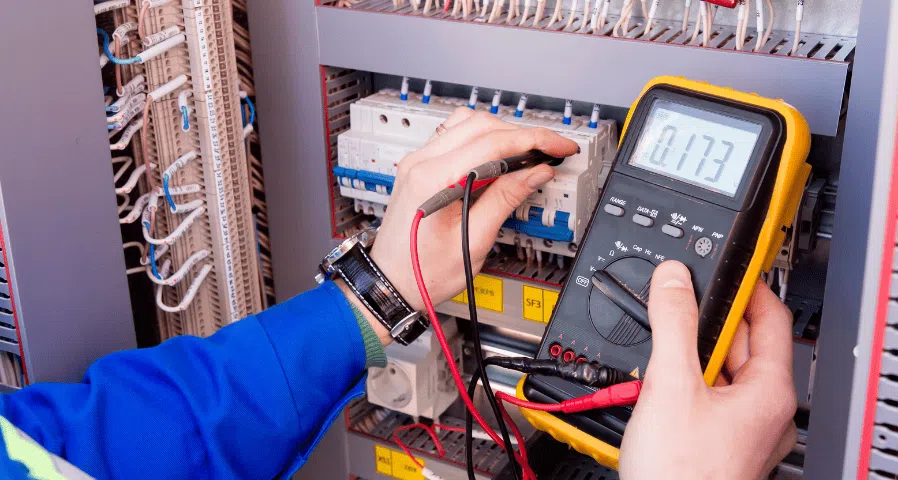
Commercial electrical codes establish the safety and compliance framework for electrical systems in commercial buildings. These codes guide the design and installation of electrical equipment, wiring, circuits, and grounding systems to reduce risks such as electrical fires, equipment failure, and electric shock.
For business owners, facility managers, and construction professionals, understanding commercial electrical codes helps ensure projects meet regulatory requirements while supporting safe, reliable building operations.
What are commercial electrical codes, and why are they important?
Commercial electrical codes are safety regulations that govern the design, installation, and maintenance of electrical systems in commercial buildings.
These codes establish requirements for wiring methods, electrical panels, circuit capacity, grounding systems, and equipment installation. The goal is to ensure electrical systems operate safely while supporting the power demands of modern commercial facilities.
Commercial electrical codes are typically stricter than residential codes because commercial buildings often contain larger electrical loads, complex equipment, and higher occupancy levels.
Electrical codes help reduce safety risks and ensure electrical systems operate reliably in commercial environments.
Without proper compliance, electrical systems can become overloaded, improperly installed, or unsafe to operate. These conditions increase the risk of electrical fires, equipment damage, power failures, and injury.
Following electrical codes helps organizations:
For facility managers overseeing multiple locations, electrical code compliance is a key part of risk management and operational continuity.
Commercial electrical installations are governed by several national safety standards, as well as additional state and local regulations.
The National Electrical Code (NEC), published by the National Fire Protection Association (NFPA), is the primary electrical installation standard used across the United States. The NEC outlines requirements for wiring methods, electrical equipment, grounding systems, and circuit protection.
In addition to the NEC, other regulatory bodies also influence electrical safety and compliance requirements in commercial environments. OSHA establishes workplace electrical safety rules for employees working with electrical systems, while local jurisdictions may adopt additional electrical regulations or modify NEC requirements.
Cities and municipalities often adopt their own building codes and inspection requirements, meaning electrical installations must comply with federal safety standards, national codes, state regulations, and local enforcement policies.
Power Your Facility with the Right Electrical Expertise
Reliable electrical systems are essential to keeping your operations running safely and efficiently. Action Services Group brings more than 33 years of commercial electrical experience, delivering scalable solutions for facilities at the local, regional, and national level.
From routine electrical services to large scale electrical projects, our team of licensed electricians and experienced project managers ensures every job is completed with precision, compliance, and long-term performance in mind.
Connect with our team to discuss your facility needs and identify the best path forward.
| Standard / Authority | Role in Commercial Electrical Safety | Applies To |
| National Electrical Code (NEC) | Establishes electrical installation standards for wiring, circuits, grounding, and equipment | Electrical system design and installation |
| NFPA Standards | Provide fire and electrical safety guidance including NEC and NFPA 70B | Electrical fire protection and safe work practices |
| OSHA Regulations | Establish workplace safety rules for employees working with electrical systems | Worker safety and electrical maintenance procedures |
| Local Building Codes | Cities and municipalities may modify or expand NEC requirements | Local electrical inspections and permits |
Because multiple regulatory layers apply, electrical contractors and facility managers must ensure projects comply with national, state, and local requirements.
Commercial electrical codes define how electrical systems must be designed, installed, and maintained to ensure safe and reliable operation in commercial facilities. These requirements address circuit capacity, wiring methods, electrical panel accessibility, and grounding practices to reduce the risk of electrical hazards.
The following table highlights several of the most common electrical code requirements for commercial buildings.
| Electrical System Area | Key Code Requirement | Purpose |
| Circuit Design | Circuits must support defined load capacities | Prevent electrical overload |
| Wiring Methods | Approved wiring types and conduit systems required | Reduce fire and damage risk |
| Electrical Panels | Panels must remain accessible and properly labeled | Enable safe maintenance and emergency shutdown |
| Grounding and Bonding | Electrical systems must be properly grounded | Prevent electrical shock and equipment damage |
Electrical codes play a major role in commercial renovation and retrofit projects. When facilities upgrade lighting systems, install new equipment, or modify electrical infrastructure, the work must comply with the electrical codes currently enforced by local authorities.
Common projects affected by electrical codes include:
Failing to meet code requirements can result in failed inspections, project delays, and costly corrections. Organizations managing multiple facilities often work with experienced electrical contractors to ensure upgrades remain compliant across different jurisdictions.
Are Commercial Electrical Codes the Same in Every State?
No. While most states adopt the National Electrical Code (NEC), local cities and municipalities may modify the code or enforce additional electrical regulations.
What Role Does OSHA Play In Electrical Safety?
OSHA regulates workplace electrical safety to protect employees working around electrical systems. OSHA standards often reference NFPA and NEC safety guidelines.
How Often Is the National Electrical Code Updated?
The NEC is updated every three years. Local jurisdictions may adopt different versions depending on regulatory timelines.
Who Enforces Commercial Electrical Codes?
Electrical inspectors, building departments, and authorities having jurisdiction (AHJs) enforce electrical codes permitting and inspection processes.
Understanding commercial electrical codes is essential to maintaining safe, compliant building operations. Electrical systems installed and maintained in accordance with code help reduce safety risks, protect equipment, and support reliable facility performance.
Action Services Group provides national electrical services, including maintenance, installations, lighting upgrades, and project-based work for commercial facilities. Our network of licensed electricians helps organizations maintain electrical safety, meet regulatory requirements, and support reliable building operations across multi-site portfolios.
Partner with Action Services Group to discuss your electrical service needs and ensure your next electrical project is completed safely and in compliance with commercial electrical codes. Reach out today by calling 610-558-9773, emailing [email protected], or scheduling a call that fits your needs by clicking the button below.

Exit signs and emergency lighting need to be in accordance with the NFPA, OSHA, and other…

Action Services Group has acquired Stouch Lighting to advance national LED upgrades, turnkey lighting solutions, LED…
Outsourcing lighting upgrades and maintenance needs improves tenant retention and boosts ROI for property managers.
Exit signs and emergency lighting need to be in accordance with the NFPA, OSHA, and other state or local ordinances.
Action Services Group has acquired Stouch Lighting to advance national LED upgrades, turnkey lighting solutions, LED retrofit services and lighting…
Outsourcing lighting upgrades and maintenance needs improves tenant retention and boosts ROI for property managers.