

Lighting Measurements – An In-depth Guide Part 1
When retrofitting your LEDs, lightbulbs have various illuminance. Theres different ways to measure the lighting of…


For property managers considering LED lighting, the transition from traditional incandescent or fluorescent systems to modern LED solutions represents more than a simple lamp swap. It is a strategic upgrade that can reduce operating costs, improve tenant satisfaction, and support long-term asset value. Understanding how LEDs work and the advantages they deliver helps clarify why they have become the preferred lighting technology across residential, commercial, and mixed-use properties.
LED lamps generate light by passing an electrical current through a microchip that illuminates a tiny diode. This process differs fundamentally from incandescent lamps, which rely on electrically heated filaments, and from fluorescent lamps that excite gas to produce light. Because LEDs convert a much higher percentage of electricity directly into light rather than heat, they operate far more efficiently and with less energy waste. This basic difference in technology is what drives most of the benefits of LED lighting for property managers.
One of the most compelling advantages is energy efficiency. LED lamps can use up to 90 percent less energy than incandescent lamps and significantly less than older fluorescent technologies. For properties with extensive lighting, such as apartment communities, office buildings, parking structures, and exterior areas, this reduction in energy use can translate into substantial utility savings. Lower common-area electricity costs improve net operating income, while reduced in-unit consumption can be an attractive feature for tenants who pay their own power bills. Energy efficiency also aligns with sustainability goals and green building standards, making properties more appealing to environmentally conscious renters and investors.
Upgrade Lighting Without the Headaches
For property managers, LED lighting delivers more than energy savings, it reduces maintenance calls, improves tenant experience, and supports long-term asset value. Visit our LED Retrofit Solutions page to learn how Action Services Group delivers turn-key LED upgrades across portfolios of all sizes.
When you’re ready, schedule a call with our lighting experts to review your properties, timelines, and goals, and build a retrofit plan that works for your operations team and tenants.
👉 Explore LED Retrofit Solutions
👉 Schedule a Call with a Lighting Expert
LEDs are designed to last far longer than traditional lamps, often reaching 30,000 to 50,000 hours of operation or more. Instead of failing suddenly when a filament breaks, LEDs gradually dim over time, providing a clear indication that replacement is approaching. For property managers, this longevity means fewer service calls, reduced labor expenses, and less disruption to tenants. In hard-to-reach locations such as high ceilings, stairwells, exterior wall packs, and parking garage fixtures, extended lamp life can significantly lower maintenance costs and improve safety by reducing the need for frequent lift or ladder use.
Because LEDs emit very little heat, they lower the risk of burns, overheating, and fire hazards. This is particularly important in enclosed fixtures, closets, and areas near combustible materials. Unlike fluorescent lamps, LEDs contain no mercury, eliminating concerns about hazardous material handling and disposal if a lamp breaks. These characteristics make LED lighting a safer choice for residential units, common areas, and exterior spaces where durability and reliability are critical.
Modern LED products are available in a wide range of shapes, sizes, and color temperatures, allowing them to fit nearly any fixture style from decorative chandeliers to recessed downlights and outdoor luminaires. They also offer consistent, high-quality light with excellent color rendering and temperature, enhancing the appearance of interiors and exteriors alike. Warm white tones can create a comfortable, residential feel in living areas, while cooler, brighter light can improve visibility and security in hallways, parking areas, and workspaces. This versatility helps property managers tailor lighting to the functional and aesthetic needs of each space.
Although LED lamps once carried a higher upfront cost, prices have fallen dramatically over the past decade. Today, they are widely available at competitive price points, and their long lifespan and energy savings typically result in a lower total cost of ownership. In addition, many utility companies and government agencies offer rebates, tax credits, and incentive programs for energy-efficient lighting upgrades. These programs can accelerate return on investment and make large-scale retrofits more financially attractive for both residential and commercial portfolios.
Don’t Leave Rebate Dollars on the Table
Energy-efficient upgrades only deliver full ROI when rebates are captured correctly. Visit our Rebate Recovery Services page to learn how we help property managers and commercial facilities identify eligible incentives, manage documentation, and navigate utility requirements from start to finish.
When you’re ready, schedule a call with our rebate experts to review your past or upcoming projects and ensure you’re maximizing every available rebate.
👉 Explore Rebate Recovery Services
👉 Schedule a Call With Our Rebate Experts
LED technology supports a wide range of lighting applications, from soft ambient illumination to focused task lighting. Many LED systems are also compatible with dimming, occupancy sensors, daylight harvesting, and networked lighting controls. This enables property managers to fine-tune light levels based on usage patterns, further reducing energy consumption and enhancing occupant comfort. In commercial and mixed-use environments, targeted lighting can improve productivity and safety, while in residential settings it allows for customizable, user-friendly lighting experiences.
The benefits of LED lighting for property managers extend far beyond simple energy savings. From lower maintenance and improved safety to enhanced aesthetics, tenant satisfaction, and faster ROI through incentives, LEDs support both operational efficiency and long-term asset performance.
For property managers considering LED lighting, adopting this rapidly advancing technology is a practical step toward creating more sustainable, cost-effective, and attractive buildings. Action Services Group can guide you through the transition into energy efficient lighting. To speak with our specialists, call 610-558-9773, email [email protected], or schedule a consultation that fits your needs.
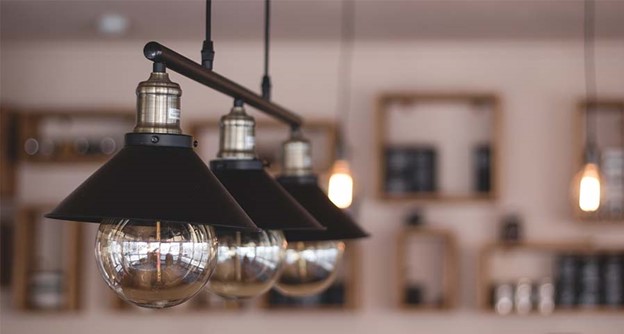
When retrofitting your LEDs, lightbulbs have various illuminance. Theres different ways to measure the lighting of…
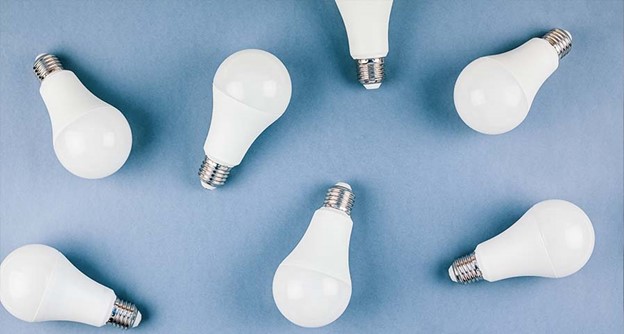
Understanding light measurements, luminance and foot-candle can help when choosing the perfect bulb for you next…

Exit signs and emergency lighting need to be in accordance with the NFPA, OSHA, and other…
When retrofitting your LEDs, lightbulbs have various illuminance. Theres different ways to measure the lighting of your next retrofit.
Understanding light measurements, luminance and foot-candle can help when choosing the perfect bulb for you next retrofit.
Exit signs and emergency lighting need to be in accordance with the NFPA, OSHA, and other state or local ordinances.