

Outsourcing Maintenance & Lighting Upgrades: How Property Managers & MUDs…
Outsourcing lighting upgrades and maintenance needs improves tenant retention and boosts ROI for property managers.

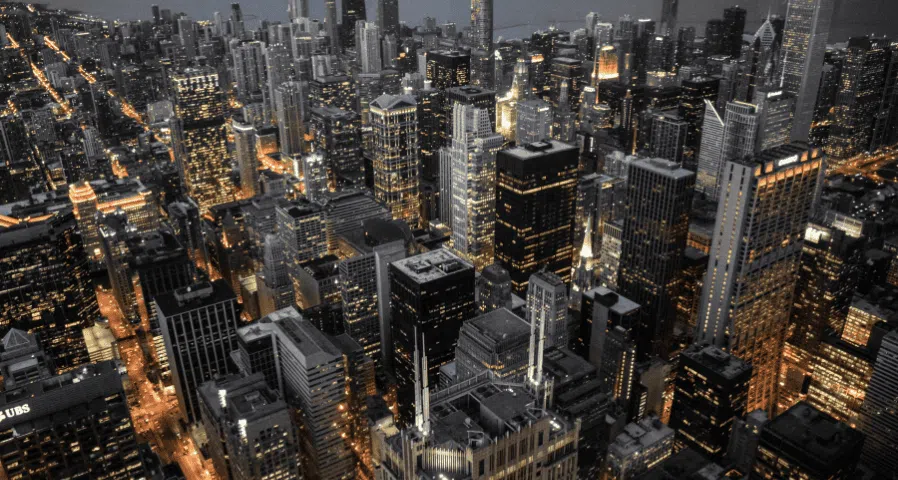
This blog is part 2 in our series Commercial Lighting Automation in 2026. This is the third blog in our series examining how lighting controls are used in commercial facilities. For a review Part 1 – Exploring the Types of Control Systems, click here. To continue reading our series, visit Part 3 – Know Your Technology Architecture, and Part 4 – The Future of AI-Driven Lighting Automation & Building Optimization.
Lighting is a significant operational expense for many commercial facilities, and the strategies used to control lighting can dramatically influence energy costs, occupant comfort, and overall building performance. As buildings move deeper into the era of smart automation, lighting control strategies have expanded from basic manual adjustments to advanced, data-driven systems enhanced by artificial intelligence.
In 2026, the most effective lighting solutions blend proven control strategies with AI-powered optimization. This approach allows buildings to respond dynamically to how spaces are used, rather than relying solely on static schedules or preset rules. This blog explores foundational and advanced lighting control strategies and shows how AI is enhancing their impact across commercial environments.
Dimming remains one of the most effective and widely used lighting control strategies in commercial buildings. Modern LED fixtures are typically equipped with dimmable drivers, allowing light output to be adjusted based on need. Reducing light levels directly reduces energy consumption, often without occupants noticing a difference in visual comfort.
Dimming controls range from simple wall-mounted dimmers to centralized systems that adjust entire zones. In 2026, dimming is rarely used alone; instead, it serves as a core function that supports more advanced strategies, including daylight harvesting and AI-driven optimization.
Occupancy sensing is a foundational strategy designed to eliminate wasted energy in unoccupied spaces. Motion sensors detect presence and automatically turn lights on or off based on activity. These systems are commonly used in offices, restrooms, conference rooms, storage areas, and warehouses.
Advanced occupancy sensors now offer adjustable sensitivity, time delays, and partial-on or partial-off functionality. When combined with AI, occupancy data can be analyzed over time to identify usage trends and fine-tune lighting behavior across entire facilities.
Scheduling allows lighting systems to operate automatically based on time of day, day of week, or season. This strategy is particularly effective in predictable environments such as office buildings, schools, and retail spaces. Lights can be programmed to turn off after business hours, reduce output during cleaning shifts, or adjust for seasonal daylight changes.
AI-enhanced scheduling takes this further by learning how spaces are actually used. Instead of relying on fixed schedules, AI systems adapt over time, accounting for holidays, hybrid work patterns, and changing occupancy levels.

Daylight harvesting reduces reliance on artificial lighting by adjusting light output based on available natural light. Photocell sensors measure ambient daylight and dim or switch off fixtures accordingly. This strategy not only reduces energy use but also supports occupant comfort by maintaining consistent light levels throughout the day.
AI improves daylight harvesting by predicting daylight availability based on historical data, weather patterns, and building orientation. This allows lighting systems to respond more smoothly and accurately than traditional sensor-based approaches alone.
Task tuning focuses on aligning light levels with the actual needs of a space. Many commercial buildings are over-lit due to conservative design practices. Task tuning sets maximum light levels appropriate for specific activities, such as computer work, circulation, or storage.
AI-powered systems can continuously refine these settings by analyzing how spaces are used and how occupants interact with lighting controls. Over time, this results in optimized light levels that balance visibility, comfort, and energy savings.
Demand response strategies reduce lighting loads during peak utility demand periods in exchange for financial incentives. Traditionally, this involved manual or pre-programmed dimming during peak hours.
In 2026, AI-enabled auto-demand response systems can react instantly to utility signals, occupancy conditions, and operational priorities. Lighting levels are adjusted strategically to minimize impact on occupants while maximizing financial and energy benefits.
Personal control allows occupants to adjust lighting levels within their immediate environment using wall stations, mobile apps, or desktop interfaces. This strategy has been shown to improve satisfaction and productivity while often reducing overall energy use.
AI enhances personal control by learning individual and group preferences. Over time, systems can anticipate preferred settings for meetings, focused work, or collaborative tasks, reducing the need for manual adjustments.
Energy management systems provide centralized visibility into lighting performance, energy usage, and control effectiveness. These platforms allow facility managers to monitor trends, identify inefficiencies, and adjust strategies as building needs evolve.
AI plays a critical role in continuous commissioning by analyzing large volumes of data and recommending improvements automatically. This ensures lighting systems continue to perform optimally long after installation.
Modern lighting controls can monitor fixture-level performance, enabling early detection of failures or abnormalities. AI-driven predictive analytics can forecast maintenance needs, reduce downtime, and extend fixture life by preventing overuse.
This proactive approach lowers maintenance costs and supports more reliable lighting operations across large or multi-site portfolios.
AI lighting automation does not replace traditional control strategies; it enhances them. By learning from occupancy patterns, daylight availability, and user behavior, AI transforms static systems into adaptive, responsive environments. Commercial buildings benefit from reduced energy consumption, improved occupant experience, and greater operational efficiency.
AI-powered lighting systems also integrate seamlessly with broader building management systems, supporting centralized control of lighting, HVAC, and other critical systems.
As commercial buildings continue to prioritize efficiency, flexibility, and sustainability, smart and AI-enhanced lighting control strategies will become standard practice. Facilities that invest in these technologies today are better positioned to reduce operating costs, support occupant well-being, and adapt to evolving building usage patterns.
Partnering with an experienced lighting services provider ensures these strategies are designed, implemented, and optimized effectively. With the right approach, lighting automation becomes not just a cost-saving measure, but a strategic asset for commercial buildings in 2026 and beyond. Contact Action Services Group to learn how to advance your buildings lighting controls with AI capabilities. To learn more, call 610-558-9773, email [email protected], or schedule a consultation that fits your schedule.

Outsourcing lighting upgrades and maintenance needs improves tenant retention and boosts ROI for property managers.
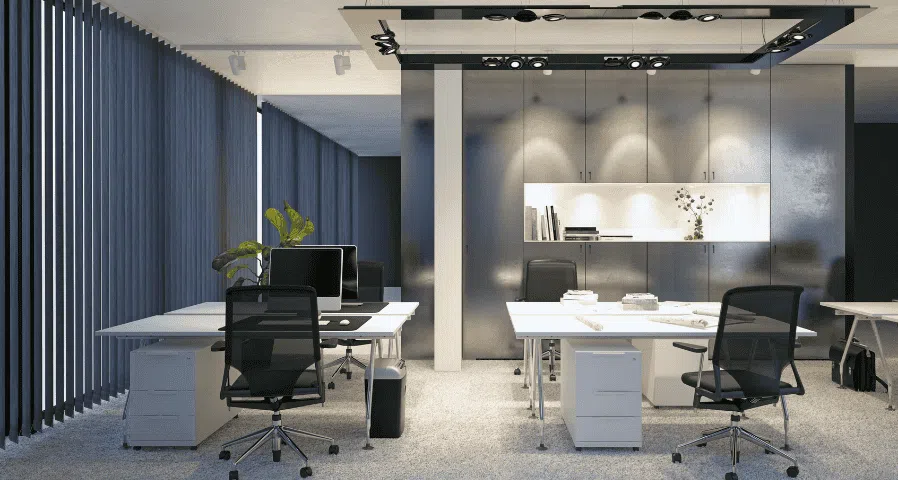
Color temperature can be adjusted through AI powered lighting control technology. Doing so helps customize the…
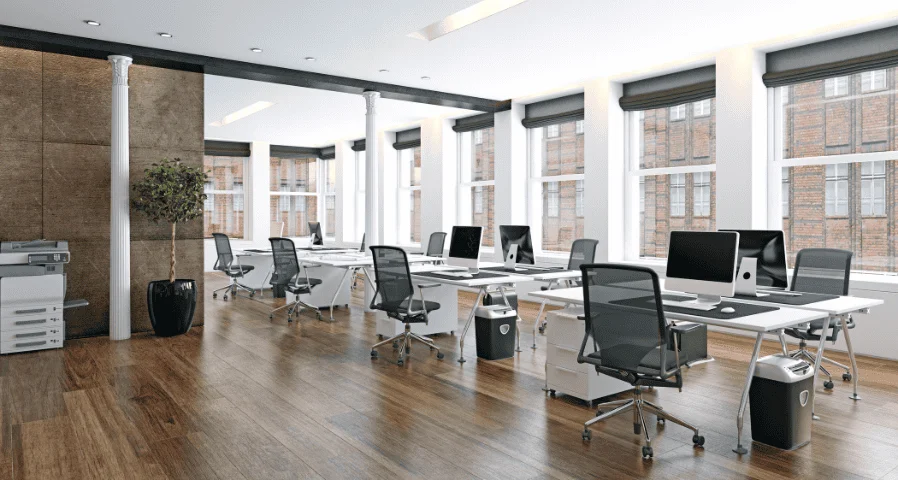
Studies have shown that natural lighting has proven to improve workplaces by helping employees be more…
Outsourcing lighting upgrades and maintenance needs improves tenant retention and boosts ROI for property managers.
Color temperature can be adjusted through AI powered lighting control technology. Doing so helps customize the space to your industry…
Studies have shown that natural lighting has proven to improve workplaces by helping employees be more comfortable and efficient. As…