

Lighting Measurements – An In-depth Guide Part 1
When retrofitting your LEDs, lightbulbs have various illuminance. Theres different ways to measure the lighting of…

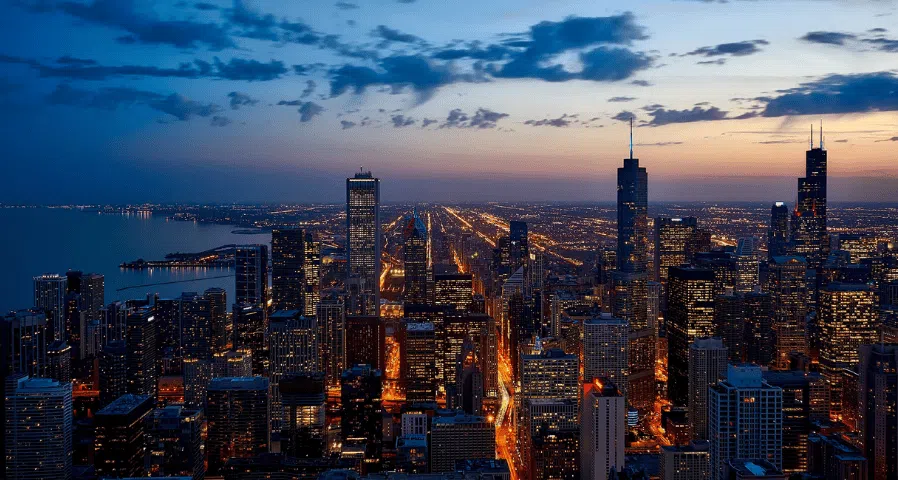
Commercial lighting automation in 2026 is no longer just about turning lights on and off, it is about using intelligent control strategies to reduce energy waste, improve building performance, and adapt lighting to real-world usage patterns. Modern systems range from simple room-level controls to advanced networked platforms enhanced by AI-driven optimization.
How Do Lighting Control Systems Improve Commercial Building Performance In 2026?
Commercial lighting automation is one of the most effective strategies for reducing energy consumption and improving operational efficiency in commercial facilities. Lighting accounts for a significant portion of building energy use, and even in 2026, waste still occurs due to outdated strategies like fixed schedules and lighting in unoccupied spaces.
This is Part 1 of a 4-part series on lighting automation.
Commercial lighting automation is a system-based approach that uses sensors, controls, and software to automatically manage lighting based on occupancy, time, and environmental conditions.
Rather than relying on manual switches or static schedules, automated systems dynamically adjust lighting to reduce energy waste and improve efficiency.
Lighting control systems in 2026 have evolved from isolated devices into intelligent, connected networks that support real-time optimization and building-wide coordination.
Modern systems now include:
Lighting control systems don’t just improve efficiency and automation, they often qualify for valuable utility rebates, helping reduce upfront costs while improving long-term performance. Visit our Lighting Control Solutions page to learn how intelligent control systems can optimize your facility, and explore our Rebate Recovery Services to see how we help capture available incentives and maximize ROI.
When you’re ready, schedule a call with our experts to review your lighting automation goals and identify rebate opportunities that support your project.
👉 Explore Lighting Control Solutions
👉 Learn About Rebate Recovery Services
👉 Schedule a Call with Our Experts
Commercial lighting control systems fall into three categories: simple controls, centralized systems, and advanced networked controls. Each level increases in flexibility, visibility, and automation capabilities.
| Control Type | Scope | Key Features | Ideal Use Case | Business Impact |
| Simple Controls | Room-Level | Sensors, switches, timers | Offices, restrooms, small spaces | Quick energy savings with low cost |
| Centralized Controls | Building-Wide | Scheduling, dashboards, system integration | Mid-to-large facilities | Improved control and operational efficiency |
| Advanced Controls | Networked / Multi-Site | Real-time data, remote access, AI optimization | Large portfolios, complex environments | Maximum efficiency, scalability, and insight |
Simple lighting controls are room-level systems that operate independently using devices like occupancy sensors, timers, switches, and dimmers.
These systems:
Centralized lighting controls are building-wide systems that connect fixtures and devices to a central platform for monitoring and control.
These systems enable:
AI is increasingly used within centralized systems to analyze usage patterns and automatically optimize lighting schedules.
Advanced lighting control systems are fully networked platforms that provide real-time visibility, granular control, and integration across entire facilities or portfolios.
These systems offer:
AI enhances these systems by enabling predictive maintenance, continuous optimization, and data-driven decision-making.

Lighting controls deliver measurable value by combining automation, efficiency, and operational insight.
| Benefit Category | Description | Business Impact |
| Energy Savings | Reduces wasted lighting usage through automation | Lower utility costs (often 50–60% savings) |
| Maintenance Reduction | Centralized monitoring identifies issues early | Reduced labor and downtime |
| Compliance | Meets energy codes and rebate requirements | Avoid penalties and unlock incentives |
| Occupant Comfort | Adjusts lighting to real usage patterns | Improved productivity and satisfaction |
| Scalability | Expands across multiple locations | Standardized operations across portfolios |
AI enhances these benefits by continuously analyzing lighting performance and optimizing system behavior over time.
Lighting controls are increasingly required to meet modern energy codes and qualify for utility rebate programs.
Many programs now prioritize:
Facilities with advanced controls are better positioned to maximize rebates and long-term ROI.
What Is the Difference Between Lighting Controls and Lighting Automation?
Lighting controls refer to individual devices like sensors and timers, while lighting automation is a complete system that integrates these controls into a coordinated, intelligent platform.
How Much Energy Can Lighting Controls Save?
Lighting controls can reduce energy consumption by 30–60%, depending on the building type, usage patterns, and control strategies implemented.
Do You Need AI For Lighting Automation?
No, AI is not required. Many facilities achieve strong results using standard lighting controls. AI enhances performance but is typically used in more advanced systems.
Are Lighting Controls Required by Code?
Yes, many energy codes now require lighting controls such as occupancy sensors and daylight harvesting, especially in new construction and major renovations.
What Type of Facilities Benefit Most from Advanced Controls?
Large commercial buildings, multi-site portfolios, warehouses, healthcare facilities, and retail environments benefit the most due to their complexity and scale.
Lighting automation in 2026 is a strategic investment in energy efficiency, operational performance, and long-term cost control. The right solution depends on your facility’s size, infrastructure, and operational goals.
Action Services Group helps organizations design and implement lighting automation solutions that improve efficiency, reduce costs, and scale across multi-site portfolios. Contact Action Services Group at 610-558-9773 or email [email protected] to schedule a consultation and build your 2026 lighting strategy.
When retrofitting your LEDs, lightbulbs have various illuminance. Theres different ways to measure the lighting of…

Understanding light measurements, luminance and foot-candle can help when choosing the perfect bulb for you next…

Exit signs and emergency lighting need to be in accordance with the NFPA, OSHA, and other…
When retrofitting your LEDs, lightbulbs have various illuminance. Theres different ways to measure the lighting of your next retrofit.
Understanding light measurements, luminance and foot-candle can help when choosing the perfect bulb for you next retrofit.
Exit signs and emergency lighting need to be in accordance with the NFPA, OSHA, and other state or local ordinances.