
Lighting Measurements – An In-depth Guide Part 1
When retrofitting your LEDs, lightbulbs have various illuminance. Theres different ways to measure the lighting of…


This blog was originally published October 21, 2021, and has been updated March 3, 2026.
As of 2024, a growing wave of state-level Clean Lighting Acts is phasing out the sale of fluorescent and mercury-containing HID lamps across the U.S. commercial facilities may need to transition to LED lighting by 2025–2026 to avoid procurement limitations, disposal risks, and potential compliance penalties.
Across the United States, the phaseout of fluorescent and mercury-containing lighting is accelerating, marking a significant shift in how commercial buildings, municipalities, and facility portfolios approach illumination. Federal efficiency standards and state-level Clean Lighting Acts are reinforcing a broader transition toward LED lighting as the safer, more efficient long-term solution for commercial environments.
As HID lamp bans expand and fluorescent restrictions tighten, facility managers are facing a clear compliance reality: legacy lighting systems are being regulated out of the market.
Lighting regulations in the United States have been evolving for nearly two decades, beginning with the Energy Independence and Security Act (EISA) signed into law in 2007 to promote energy efficiency across multiple categories of lighting products, including general service lamps (GSLs). In 2017, the U.S. Department of Energy updated federal efficiency requirements to mandate a minimum efficacy of 45 lumens per watt, effectively initiating the phaseout of many halogen and incandescent lighting products by 2020.
While federal GSL standards have faced legal challenges and ongoing revisions, interest in lighting efficiency and hazardous material reduction has continued to grow at the state level. In response, individual states have increasingly introduced their own lighting regulations that expand beyond federal minimums by targeting fluorescent lamps and other mercury-containing technologies.
As lighting policy continues to evolve, regulatory efforts are shifting from general efficiency standards toward the broader phaseout of legacy lighting systems altogether. This trend is accelerating nationwide, reinforcing LED lighting as the long-term, compliance-ready solution for commercial facilities navigating changing lighting standards.

Fluorescent lamps and many legacy high-intensity discharge (HID) lighting systems rely on mercury vapor to generate illumination. Mercury is a toxic element that presents environmental and public health risks when lamps break or are improperly disposed of.
When mercury-containing lamps enter landfills or are incinerated, they can release mercury into the air, soil, and water supply. Over time, mercury may convert into methylmercury, a compound that accumulates in wildlife and humans and has been associated with neurological damage, cardiovascular disease, and long-term ecosystem contamination.
Even with existing recycling requirements, improper disposal remains common in commercial waste streams. Because of these compliance challenges, regulators are increasingly targeting mercury at the source by restricting the sale and distribution of fluorescent and mercury vapor lamps altogether.
Businesses should reference legislation directly through official state regulatory agencies and legislative databases to stay compliant with emerging lighting regulations.
Below is a snapshot of key state-level legislation impacting the sale and distribution of fluorescent lighting technologies in commercial environments.
| State | Key Legislation | CFL Ban Date | Linear Fluorescent Ban Date | HID / Mercury Vapor Impact |
| Minnesota | HF 3911 | Jan 1, 2025 | Jan 1, 2026 | Mercury Vapor Lamps Prohibited |
| Maine | HP 1160 | Jan 1, 2025 | Jan 1, 2026 | Mercury-Added Lamps Restricted |
| Illinois | HB 2363 | Jan 1, 2026 | Jan 1, 2027 | Fluorescent Phaseout |
| Colorado | HB 23-1161 | Jan 1, 2025 | Jan 1, 2025 | Enforcement Penalties Apply |
| California | AB 2208 | Jan 1, 2024 | Jan 1, 2025 | CFL & Linear Ban |
| Oregon | HB 2531 | Jan 1, 2024 | Jan 1, 2025 | Sales Restrictions Active |
| Rhode Island | HB 5550 | Jan 1, 2024 | Jan 1, 2025 | Commercial Restrictions |
| Washington | HB 1185 | Jan 1, 2029 | Jan 1, 2029 | Full Phaseout Pending |
As these timelines illustrate, fluorescent lighting bans are no longer limited to isolated regional initiatives. State-level regulatory action is occurring nationwide, with compliance deadlines beginning as early as 2024 and expanding significantly through 2026.
Minnesota’s Clean Lighting Act expands beyond fluorescent lamps by restricting the sale of mercury vapor lamps and ballasts used in legacy HID systems. The regulation applies broadly to retailers, online marketplaces, contractors, and commercial building operators, placing responsibility on both procurement and disposal practices across facility portfolios.
Maine’s phaseout legislation targets mercury-added lighting technologies at the source, preventing compact and linear fluorescent lamps from entering the commercial waste stream. This approach reflects the state’s broader environmental strategy to reduce mercury contamination in landfills and waterways.
Illinois’ Clean Lighting Act introduces a multi-year fluorescent phaseout timeline, allowing commercial facilities to gradually transition away from legacy lighting systems while maintaining operational continuity during retrofit planning.
Colorado’s legislation includes civil penalties for non-compliant lighting sales, with individual violations subject to fines and aggregate penalties that may impact commercial distributors and facility operators sourcing restricted products.
As fluorescent and HID lamp bans expand nationwide, LED lighting has emerged as the preferred replacement technology for regulated systems.
LED lighting contains no mercury and offers measurable operational benefits for commercial buildings:
For property managers, facility directors, and portfolio operators, transitioning to LED lighting reduces compliance risk while supporting broader sustainability and energy-efficiency goals.
Organizations that proactively implement LED upgrades ahead of 2026 regulatory deadlines will be better positioned to avoid procurement challenges, disposal liabilities, and enforcement penalties tied to restricted lighting technologies.
Still Comparing LED to Legacy Lighting Technologies?
As fluorescent bans expand and HID lamp restrictions take effect across multiple states, many commercial facilities are still evaluating how LED lighting compares to older systems currently in use. Understanding the performance, maintenance, and compliance differences between legacy lighting technologies is an important step in planning your transition strategy.
Explore how LED lighting stacks up against:
Review our LED comparison guides to see how Action Services Group’s LED Retrofit Solutions can help reduce energy consumption, minimize maintenance demands, and support compliance with evolving state lighting standards across your facilities.
When you’re ready to plan your upgrade path, schedule a call with our team to discuss your current systems and LED retrofit options.
Are fluorescent bulbs illegal to use now?
Existing fluorescent lamps can still be used until the end of their operational life. However, many states have enacted legislation prohibiting the sale or distribution of new fluorescent lamps beginning in 2025 or 2026.
Do these bans apply to commercial buildings?
Yes. Most Clean Lighting legislation applies broadly to commercial facilities, contractors, distributors, online marketplaces, and building owners.
What happens if my facility still uses fluorescent lighting after the ban?
Facilities may continue operating existing lamps, but sourcing fluorescent products will become increasingly difficult or prohibited depending on state legislation.
Why are mercury vapor lamps also being restricted?
Mercury vapor HID lamps contain the same hazardous materials found in fluorescent lighting and pose similar environmental risks when disposed of improperly.
Is LED lighting compliant with these regulations?
Yes. LED lighting contains no mercury and meets current federal and state efficiency requirements, making it the primary replacement technology for fluorescent and HID systems.
Should property managers upgrade to LED now?
Upgrading to LED lighting can help property managers avoid procurement challenges, reduce maintenance costs, and maintain compliance with evolving state lighting regulations.
Will these lighting bans affect LED rebates?
Yes. As fluorescent and HID lighting technologies are phased out, many utility rebate programs are shifting incentives toward LED upgrades while reducing or eliminating rebates for legacy system replacements. Businesses that upgrade early may be better positioned to capture available rebates before program requirements change or funding becomes limited.
As fluorescent bulb bans continue across the U.S., commercial facilities must begin planning for lighting systems that meet evolving state efficiency and environmental regulations. Waiting until procurement restrictions or disposal requirements take effect may lead to sourcing challenges, increased maintenance costs, or compliance risks across your property portfolio.
Action Services Group helps businesses modernize outdated lighting infrastructure through turnkey LED retrofit solutions designed to meet current state lighting standards. Our team manages the transition from fluorescent and mercury vapor systems to energy-efficient LED lighting that improves visibility, reduces operational costs, and supports regulatory compliance across commercial environments. Contact Action Services Group at 610-558-9773, email [email protected], or schedule a consultation.

When retrofitting your LEDs, lightbulbs have various illuminance. Theres different ways to measure the lighting of…
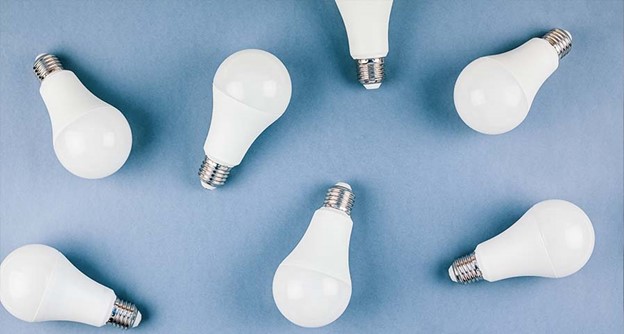
Understanding light measurements, luminance and foot-candle can help when choosing the perfect bulb for you next…
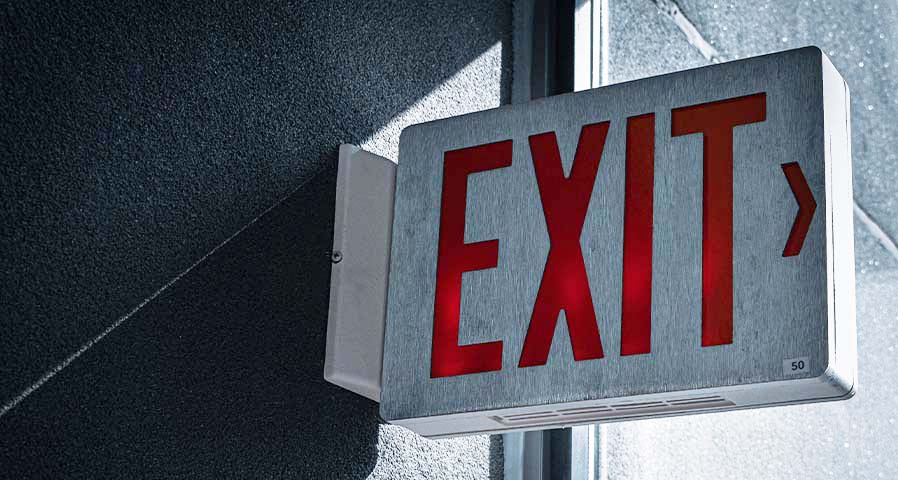
Exit signs and emergency lighting need to be in accordance with the NFPA, OSHA, and other…
When retrofitting your LEDs, lightbulbs have various illuminance. Theres different ways to measure the lighting of your next retrofit.
Understanding light measurements, luminance and foot-candle can help when choosing the perfect bulb for you next retrofit.
Exit signs and emergency lighting need to be in accordance with the NFPA, OSHA, and other state or local ordinances.