

Lighting Measurements – An In-depth Guide Part 1
When retrofitting your LEDs, lightbulbs have various illuminance. Theres different ways to measure the lighting of…

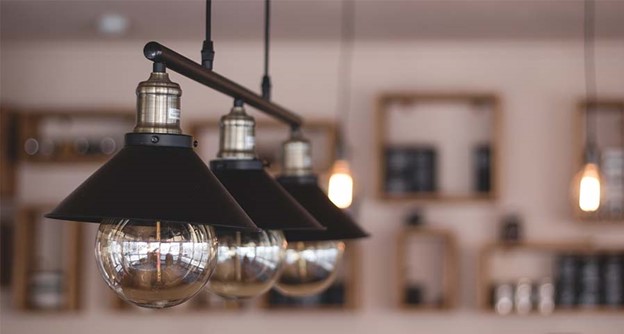
This blog is Part 1 of a 2-part lighting measurements guide designed to help you understand how light is quantified, distributed, and applied in real-world environments. Click here to continue to Part 2 for a guide on illuminance, luminance, and foot-candles.
Lighting performance is defined by how much light is produced, where it is directed, and how it spreads across a space. Understanding these core measurement concepts helps businesses evaluate lighting quality, optimize system design, and ensure proper visibility across commercial environments.
What metrics should you understand to evaluate lighting performance properly?
Luminous flux is the total amount of visible light emitted by a source in all directions, measured in lumens (lm). A lumen represents the full light output of a lamp, making it the primary metric for evaluating overall brightness.
Why Lumens Matter
Example: A commercial LED high bay fixture may produce 20,000 lumens, while an office fixture typically ranges between 3,000 and 5,000 lumens, depending on layout and application.

What Is Luminous Intensity (Candela)?
Luminous intensity is the amount of light emitted in a specific direction and is measured in candela (cd). It defines how concentrated or focused a beam of light is, rather than the total output.
Why Candela Matters
Lumens measure total light output in all directions, while candela measure light intensity in a specific direction. Both metrics work together to define how bright a space appears and how light is distributed.
| Metric | What It Measures | Unit | Real-World Use |
| Luminous Flux | Total light output | Lumens (lm) | General lighting performance |
| Luminous Intensity | Light in a specific direction | Candela (cd) | Spotlights, directional lighting |
Lumens and candela are mathematically connected through the concept of solid angle (steradians), which defines how light spreads in three-dimensional space.
Φ=I⋅Ω
Where:
This relationship explains how increasing beam spread increases total light output, while increasing intensity concentrates light in a specific direction.
A steradian (sr) is a unit that measures how light spreads in three-dimensional space. A full sphere contains approximately 4π steradians (about 12.57 sr), representing light emitted in all directions.
Beam angle determines how wide or narrow light is distributed from a fixture, directly impacting both intensity and coverage.
Where:
Ω = solid angle
α = beam angle in degrees
Practical Impact
As beam angle increases, light spreads over a larger area, increasing total lumens but reducing intensity in any single direction.
| Beam Angle | Distribution Type | Intensity Level | Typical Application |
| 20° | Narrow | High | Accent lighting, spotlighting |
| 40° | Medium | Balanced | Retail, task lighting |
| 70°+ | Wide | Lower | Warehouses, general lighting |
Lumens can be calculated from candela and beam angle using a formula that accounts for how light spreads across a solid angle.
For example, a lamp with 3 candela intensity and a 40° beam angle produces approximately 1.13 lumens. Increasing the beam angle increases total output while reducing directional intensity.
Finish the Calculation Process
This guide covers the foundational concepts, but to properly calculate lighting levels, you’ll need to review Lighting Measurements – An In-Depth Guide Part 2, where we break down measurement formulas and practical implementation.
After completing both guides, schedule a call with our experts to review your lighting environment and next steps.
👉 Read Lighting Measurements – Part 2
👉 Schedule a Call with one of our Lighting Experts
Lighting performance depends on balancing output, intensity, and distribution.
Lighting measurements help businesses design systems that improve visibility, safety, and efficiency while aligning with industry standards.
They are essential for:
What is the difference between lumens and candela?
Lumens measure the total light output from a source, while candela measure the intensity of light in a specific direction. Both are used together to evaluate lighting performance and distribution.
Why are lumens more important than watts?
Watts measure energy consumption, not light output. Lumens provide a direct measurement of brightness, making them a more accurate way to compare lighting performance, especially with LED technology.
How do beam angles affect lighting performance?
Beam angles determine how light is distributed. Narrow beams create concentrated, high-intensity light, while wider beams spread light over a larger area with lower intensity.
What is a good lumen level for commercial lighting?
The appropriate lumen level depends on the application. Warehouses require higher lumen output for large spaces, while offices require lower, more controlled lighting levels for comfort and productivity.
How do lighting measurements impact energy efficiency?
Accurate lighting measurements prevent over lighting and underlighting, ensuring systems use only the energy needed to meet performance requirements while maintaining proper visibility.
Understanding lighting measurements like lumens, candela, and beam angle is essential for designing systems that deliver the right balance of brightness, coverage, and efficiency. These metrics are not just technical concepts; they directly impact visibility, safety, energy consumption, and long-term operational performance across your facility.
However, translating these calculations into real-world lighting solutions requires more than formulas. It requires experience in evaluating existing systems, optimizing layouts, and aligning upgrades with performance standards and rebate opportunities.
Action Services Group partners with businesses to simplify that process. From system assessments to turnkey LED retrofit projects, our team helps you design and implement lighting solutions that improve performance, reduce costs, and scale across your entire portfolio. Reach out today by calling 610-558-9773, emailing [email protected], or scheduling a call that fits your needs by clicking the button below.
When retrofitting your LEDs, lightbulbs have various illuminance. Theres different ways to measure the lighting of…
Understanding light measurements, luminance and foot-candle can help when choosing the perfect bulb for you next…
Exit signs and emergency lighting need to be in accordance with the NFPA, OSHA, and other…
When retrofitting your LEDs, lightbulbs have various illuminance. Theres different ways to measure the lighting of your next retrofit.
Understanding light measurements, luminance and foot-candle can help when choosing the perfect bulb for you next retrofit.
Exit signs and emergency lighting need to be in accordance with the NFPA, OSHA, and other state or local ordinances.