

Lighting Measurements – An In-depth Guide Part 1
When retrofitting your LEDs, lightbulbs have various illuminance. Theres different ways to measure the lighting of…

This blog was originally published February 7, 2020 and has been updated February 10, 2026.
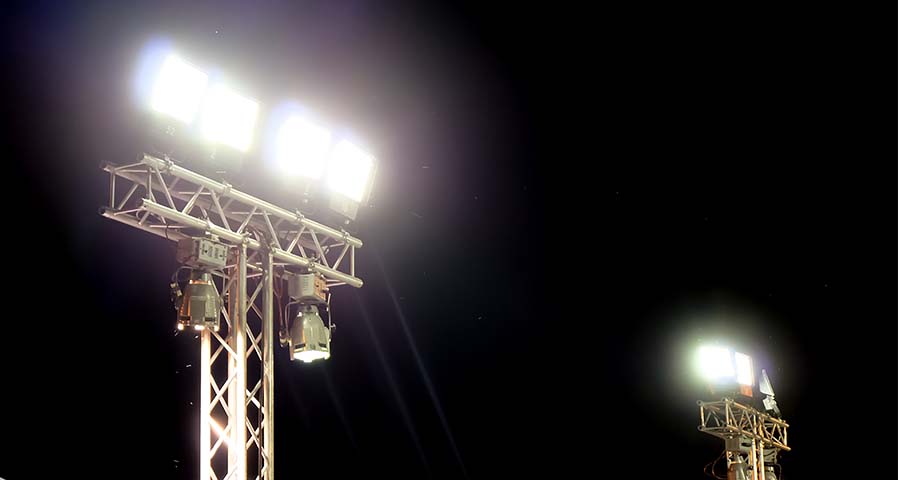
For years, metal halide lighting was the default choice for high-intensity applications such as warehouses, parking lots, and athletic facilities. These lamps were brighter than incandescent lamps and more efficient, but lighting technology has changed dramatically. A review of metal halide vs LED shows that modern LED systems now outperform metal halide in efficiency, lifespan, maintenance, and overall value.
Metal halide lamps create light by sending an electrical current through a gas mixture of mercury and metal halide compounds. The reaction produces intense white light, but the process relies on fragile internal components and high operating temperatures.
LEDs use solid-state technology. Electricity passes through a semiconductor diode that produces light without gas, filaments, or warm-up time. This fundamental difference explains why LEDs are more durable, controllable, and efficient than metal halides.
A 400-watt metal halide lamp can produce 32,000 to 36,000 initial lumens, but that number drops quickly. Many lamps lose 20 percent of their brightness within six months and can fall to half their output by midlife. Metal halide fixtures are also omnidirectional, so reflectors must redirect light, which can waste another 15 to 30 percent.
LED fixtures are directional by design. Light is aimed where it is needed, reducing losses and improving visibility on the floor or pavement. LEDs also maintain about 70 percent of their lumens for up to 100,000 hours, providing consistent illumination for years.

The savings appear in two areas: energy and maintenance.
Energy savings
A typical 400-watt metal halide system draws about 455 watts when ballast losses are included. An LED fixture producing similar or better light may use only 150 watts. The reduction in demand creates immediate utility savings and lowers peak electrical load.
Maintenance savings
Metal halide lamps require frequent replacement and ballast service. LEDs last three to five times longer, reducing labor, lift rentals, and operational disruption. Facilities with high ceilings or outdoor poles see especially large maintenance reductions after converting to LED.
Metal halides have long warm-up times. Large fixtures can take 15 to 30 minutes to reach full brightness and must cool before restarting after a power outage. LEDs reach full output instantly and can be switched or dimmed at any time. This makes LEDs ideal for occupancy sensors, scheduling systems, and smart controls that further reduce energy use.
Metal halides shift color as they age and may appear uneven across a space. They also generate significant heat and emit ultraviolet and infrared radiation. LEDs provide stable color temperatures, higher color rendering, and lower surface temperatures. Improved visual clarity supports employee comfort, productivity, and safety.
LED efficacy often reaches 160 to 190 lumens per watt, while metal halide averages around 70 to 80 lumens per watt.
How much can a business save by switching from metal halide to LED?
Most facilities reduce lighting energy by 60 to 75 percent. When maintenance and controls are included, total operating savings are often even higher.
Do LEDs really provide the same brightness as metal halide?
Yes. Although LEDs may have fewer raw lumens, their directional output delivers more usable light to the target area, creating equal or better visibility.
Can existing fixtures be reused?
In some cases, retrofit kits are available, but new LED fixtures often provide better optics, warranties, and long-term reliability.
Are LEDs compatible with sensors and smart systems?
Yes. LEDs are ideal for 0-10V dimming, wireless controls, and scheduling because they turn on instantly and are not harmed by frequent switching.
How long does an LED upgrade take?
Project timelines vary, but many commercial sites can be completed in phases with minimal interruption to daily operations.
Replace Metal Halide the Smart Way
Metal halide systems are costly to operate and maintain, and often qualify for significant LED rebates. Learn how our LED Retrofit Solutions modernize outdated lighting while improving efficiency and visibility.
Then, review our Rebate Recovery Services to see how we manage incentive programs from start to finish. Schedule a call to discuss your upgrade options and potential savings.
👉 LED Retrofit Solutions
👉 Rebate Recovery Services
👉 Schedule a Strategy Call
Upgrading from metal halide to LED is also a financial opportunity. Many utilities offer incentives for projects that reduce electrical demand. Prescriptive rebates provide fixed amounts for approved fixtures, while custom programs calculate payments based on measured savings. Products listed on the DesignLights Consortium Qualified Products List typically meet program requirements.
A well-planned conversion with qualified equipment can deliver rapid payback through lower energy bills, reduced maintenance costs, and improved light quality. Documenting current wattages, hours of use, and service costs helps build a strong rebate application and accurate return-on-investment model.
The comparison of metal halide and LED shows a clear direction for modern facilities. LEDs offer superior performance, longer life, and proven cost savings. Businesses still relying on metal halide lighting can capture immediate benefits by evaluating an upgrade and taking advantage of available incentive programs.
Upgrading from metal halide to LED is one of the fastest ways to reduce energy use, lower maintenance costs, and improve the quality of light across your facility. Every building is different, and the right solution depends on current fixtures, operating hours, and lighting goals. The team at Action Services Group can evaluate your existing system, design an LED upgrade plan, and help identify available rebates to maximize savings. Reach out to Action Services Group to start planning a smarter, more efficient lighting upgrade. Contact us at 610-558-9773, email [email protected], or schedule a consultation.
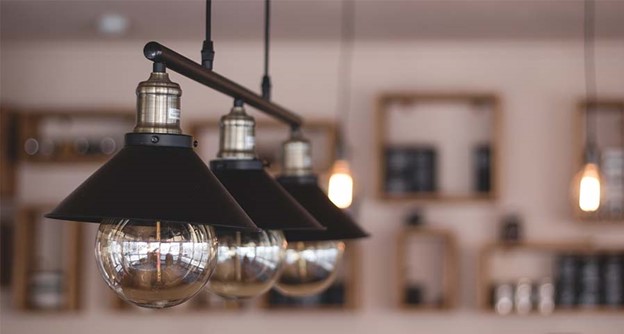
When retrofitting your LEDs, lightbulbs have various illuminance. Theres different ways to measure the lighting of…
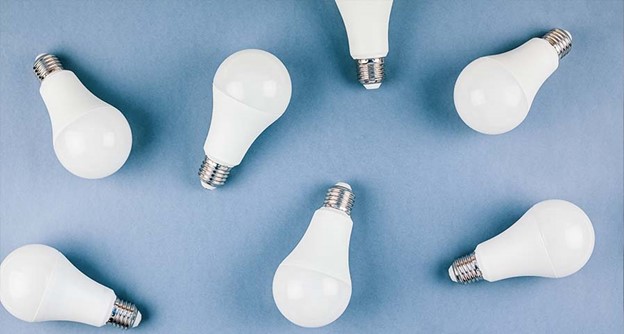
Understanding light measurements, luminance and foot-candle can help when choosing the perfect bulb for you next…
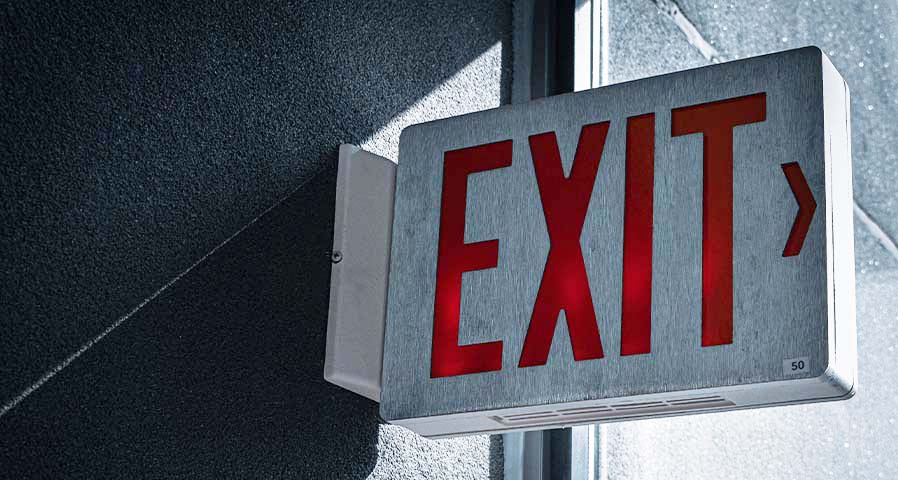
Exit signs and emergency lighting need to be in accordance with the NFPA, OSHA, and other…
When retrofitting your LEDs, lightbulbs have various illuminance. Theres different ways to measure the lighting of your next retrofit.
Understanding light measurements, luminance and foot-candle can help when choosing the perfect bulb for you next retrofit.
Exit signs and emergency lighting need to be in accordance with the NFPA, OSHA, and other state or local ordinances.
Hello There. I found your blog using msn. This is a
really well written article. I will make sure to bookmark it and return to read more of your
useful information. Thanks for the post. I will certainly comeback.