

Lighting Measurements – An In-depth Guide Part 1
When retrofitting your LEDs, lightbulbs have various illuminance. Theres different ways to measure the lighting of…


Smart buildings rely on connected systems to manage lighting, HVAC, and other critical infrastructure across commercial facilities. As connectivity increases through networked LED lighting controls and IoT-enabled platforms, so does exposure to cybersecurity threats that can disrupt operations and compromise building performance. Proactively addressing these risks helps property managers protect uptime, occupant safety, and sensitive operational data.
How can I protect my smart building from cybersecurity risks?
Smart buildings rely on interconnected systems such as HVAC platforms, access control, elevators, and networked lighting controls to automate operations and improve occupant comfort. These devices communicate using protocols such as BACnet and cloud-based IoT platforms to exchange operational data across centralized dashboards.
However, many of these communication protocols were not originally developed with cybersecurity in mind. As building systems become connected to enterprise IT networks or remote cloud platforms, the attack surface expands. Unauthorized users may gain access to lighting controls, manipulate environmental systems, or extract sensitive occupancy and usage data from IoT sensors.
Because modern LED lighting networks often operate as IP-addressable devices within a building automation system, lighting infrastructure is now part of the organization’s broader cyber-physical ecosystem.
In many smart facilities, networked lighting controls function as both operational technology and data collection tools. These systems gather information related to occupancy patterns, energy usage, and asset performance to support sustainability initiatives and rebate-driven efficiency upgrades.
Without proper cybersecurity protection in place, this data and the managing infrastructure can be vulnerable to:
For organizations investing in LED upgrades, building automation, or AI-enabled facility management platforms, implementing cybersecurity best practices is essential for maintaining operational continuity and protecting tenant safety.
Commercial building operators can reduce cyber risk by adopting layered security strategies aligned with guidance from the NIST Cybersecurity Framework 2.0
Separating building automation networks from enterprise IT environments prevents attackers from moving laterally between systems if a single IoT device becomes compromised. Segmenting lighting controls, HVAC platforms, and access control networks limits exposure across critical infrastructure.
Multi-factor authentication (MFA), role-based access control (RBAC), and device identity verification help ensure that only authorized personnel and systems interact with building automation platforms.
Real-time monitoring tools can detect abnormal behavior across lighting networks, IoT sensors, and building management systems before operational disruptions occur.
Encrypting data both in transit and at rest protects sensitive information collected by occupancy sensors, lighting systems, and environmental monitoring devices.
Regular firmware and software updates are essential for preventing attackers from exploiting vulnerabilities in connected LED lighting controls or IoT endpoints.
According to the NIST CSF 2.0 framework organizations should be prepared to Detect, Respond, and Recover from cybersecurity incidents to restore operations quickly and reduce system downtime.
Facility managers and maintenance teams should be trained in cybersecurity awareness, including proper password management and device configuration practices.
As Action Services Group customers continue integrating advanced LED lighting networks and building automation technologies to meet energy efficiency and sustainability goals, cybersecurity resilience must evolve alongside operational innovation.
Implementing commercial cybersecurity best practices allows organizations to protect connected infrastructure while continuing to benefit from smart building technologies that drive energy savings, reduce maintenance demands, and improve tenant experience.
Click here to read the original sources by Veridify and National Institute of Standards Technology.

When retrofitting your LEDs, lightbulbs have various illuminance. Theres different ways to measure the lighting of…

Understanding light measurements, luminance and foot-candle can help when choosing the perfect bulb for you next…
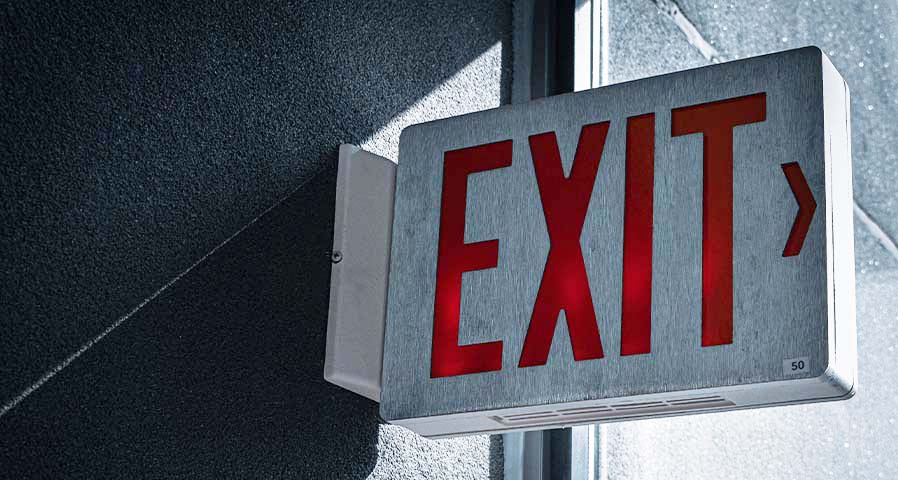
Exit signs and emergency lighting need to be in accordance with the NFPA, OSHA, and other…
When retrofitting your LEDs, lightbulbs have various illuminance. Theres different ways to measure the lighting of your next retrofit.
Understanding light measurements, luminance and foot-candle can help when choosing the perfect bulb for you next retrofit.
Exit signs and emergency lighting need to be in accordance with the NFPA, OSHA, and other state or local ordinances.