

Lighting Measurements – An In-depth Guide Part 1
When retrofitting your LEDs, lightbulbs have various illuminance. Theres different ways to measure the lighting of…


Commercial lighting rebate programs in 2026 are rewarding businesses that reduce runtime, automate efficiency, and optimize building performance through advanced controls. Utilities now prioritize measurable energy savings over simple fixture replacement projects.
What makes lighting controls one of the biggest rebate opportunities in 2026?
Lighting controls deliver ongoing energy savings every day a building operates. Unlike standard fixture replacements, controls actively reduce unnecessary lighting usage by responding to occupancy, daylight availability, schedules, and operational patterns.
Utilities value this because it creates measurable reductions in energy consumption and peak electrical demand. As a result, incentive programs are increasingly directing larger rebate budgets toward advanced control strategies instead of standalone lighting upgrades.
Several trends are driving this transition:
This shift reflects a broader change in commercial building operations. Energy savings now depend on intelligent automation, not just efficient fixtures.

Most commercial lighting rebates in 2026 prioritize systems that reduce lighting runtime and improve operational efficiency.
Common qualifying technologies include:
Occupancy Sensors
Occupancy sensors automatically turn lights off when spaces are unoccupied. These systems are widely used in:
Utilities favor occupancy controls because they directly eliminate wasted operating hours.
Daylight Harvesting Controls
Daylight harvesting systems dim or adjust lighting output based on available natural light. These controls are especially valuable in facilities with:
Reducing artificial lighting during daylight hours creates measurable savings that many rebate programs reward heavily.
Scheduling and Time-Based Controls
Scheduling systems automate lighting operations based on business hours or facility occupancy patterns. This prevents unnecessary after-hours lighting usage.
Networked Lighting Controls (NLC)
Networked lighting systems connect fixtures, sensors, and software into a centralized platform capable of real-time monitoring and automation.
These systems can:
Networked lighting controls rebates continue to grow because utilities view these systems as long-term energy management tools rather than isolated lighting upgrades.
Many utilities are moving away from flat-per-fixture incentives and toward performance-based rebate structures.
Traditionally, rebates rewarded the installation of efficient equipment. Today, more programs reward verified energy reduction.
That distinction matters.
Lighting controls directly influence how much electricity a building consumes by reducing runtime, automating dimming, and continuously optimizing lighting levels. Utilities increasingly calculate rebates based on watts saved or total energy reduction instead of simply counting installed fixtures.
This trend benefits facilities that deploy advanced control strategies because higher operational savings often translate into larger rebates.
Networked Lighting Controls (NLC) and Luminaire-Level Lighting Controls (LLLC) have become major priorities for utility rebate programs.
These systems provide greater visibility into building performance and enable facilities to optimize lighting across entire properties dynamically.
In 2026:
Several factors drive this growth:
| Traditional Lighting Systems | Networked Lighting Controls |
| Fixed lighting schedules | Dynamic automation |
| Limited visibility | Real-time analytics |
| Manual adjustments | Centralized control |
| Standalone fixtures | Integrated building systems |
| Reactive maintenance | Predictive maintenance insights |
| Lower rebate eligibility | Higher-value rebate tiers |
For commercial building owners, NLC systems improve both operational efficiency and rebate potential simultaneously.
Yes. LED-to-LED upgrades are becoming a growing opportunity in the rebate market.
Many early-generation LED systems installed a decade ago are far less efficient than modern solutions. Newer LED platforms paired with advanced controls can significantly improve energy performance while unlocking new commercial lighting rebates.
Utilities increasingly support these projects because:
In many programs, controls improve eligibility for LED-to-LED rebate projects.

Choosing the right products has become critical for maximizing rebates in 2026.
Utilities increasingly require commercial lighting systems to meet specific technical and certification standards before incentives are approved. Procurement decisions now directly impact rebate eligibility, project timelines, and long-term system performance.
When sourcing products, facilities should evaluate:
Integrated Controls Compatibility
Many rebates favor fixtures with embedded or integrated controls because they simplify installation and improve interoperability.
DLC and ENERGY STAR Qualification
Some utility programs require products listed by the DesignLights Consortium or certified by ENERGY STAR to qualify for incentives.
Scalability
Facilities should prioritize systems that can expand in the future, especially for multisite portfolios or smart building integration.
Distributor Participation
Midstream rebate programs often work through participating distributors. Procuring through approved channels can reduce paperwork and accelerate incentive processing.
BAS and IoT Integration
Advanced controls that integrate with Building Automation Systems (BAS), HVAC controls, and IoT platforms often create stronger long-term ROI and operational visibility.
Maximize Lighting Controls Rebates and Project Savings in 2026
Advanced lighting controls can unlock significant energy savings and utility incentives, but selecting the right products and managing rebate applications can quickly become complex. Stouch Lighting, an affiliate of Action Services Group, provides manufacturer-neutral lighting controls procurement tailored to your facility and project goals, while Incentive Rebate360 specializes in rebate management services that help businesses identify, secure, and maximize available utility incentives.
Together, our affiliates help simplify the path from product selection to rebate recovery, so your project delivers stronger ROI and long-term performance.
👉 Explore Lighting Products with Stouch Lighting
👉 Learn How to Streamline the Rebate Process from Incentive Rebate360
👉 Schedule a Call With Our Experts
Commercial lighting rebates are evolving rapidly.
Some programs are increasing incentives aggressively to accelerate participation, while others are reducing or phasing out support for mature technologies. In certain regions, projects without lighting controls are already losing eligibility altogether.
That creates urgency for commercial facilities evaluating upgrades in 2026.
Businesses that implement advanced lighting controls now may benefit from:
Are lighting controls required for commercial lighting rebates in 2026?
Some utility programs now require controls alongside LED upgrades to qualify for incentives. Requirements vary by utility territory and rebate structure.
What are networked lighting controls?
Networked lighting controls connect fixtures, sensors, and software into a centralized system that automates lighting operation and tracks energy performance.
Do lighting controls increase energy savings beyond those achieved with LEDs alone?
Yes. LEDs improve fixture efficiency, while controls reduce unnecessary runtime. Combining both technologies typically delivers the highest overall savings.
Can existing LED systems still qualify for rebates?
Many utilities now support LED-to-LED upgrades, especially when advanced controls are included in the project.
Lighting controls have become one of the most valuable energy-efficiency investments for commercial facilities in 2026. Utilities increasingly prioritize systems that automate efficiency, reduce runtime, and generate measurable operational savings instead of simple fixture replacements.
As commercial lighting rebates continue shifting toward performance-based incentives, businesses that combine LED upgrades with advanced controls are positioning themselves for larger rebates, lower operating costs, and stronger long-term building performance.
Action Services Group offers national lighting controls solutions and rebate recovery services to upgrade your lighting systems and offset the costs. To learn more, call 610-558-9773 or email [email protected] or schedule a call.

When retrofitting your LEDs, lightbulbs have various illuminance. Theres different ways to measure the lighting of…
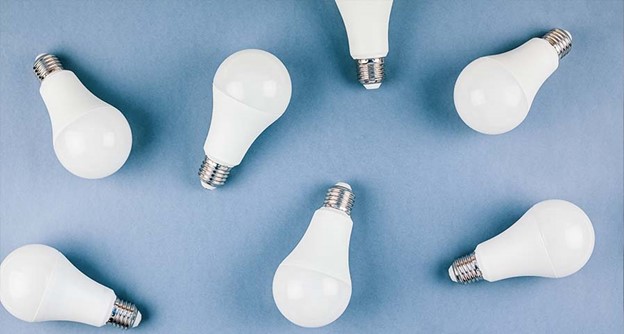
Understanding light measurements, luminance and foot-candle can help when choosing the perfect bulb for you next…
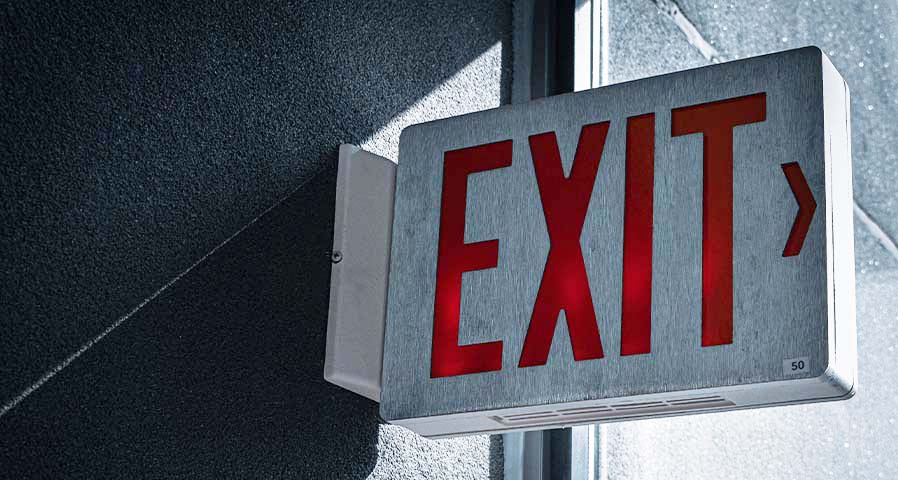
Exit signs and emergency lighting need to be in accordance with the NFPA, OSHA, and other…
When retrofitting your LEDs, lightbulbs have various illuminance. Theres different ways to measure the lighting of your next retrofit.
Understanding light measurements, luminance and foot-candle can help when choosing the perfect bulb for you next retrofit.
Exit signs and emergency lighting need to be in accordance with the NFPA, OSHA, and other state or local ordinances.