

Lighting Measurements – An In-depth Guide Part 1
When retrofitting your LEDs, lightbulbs have various illuminance. Theres different ways to measure the lighting of…

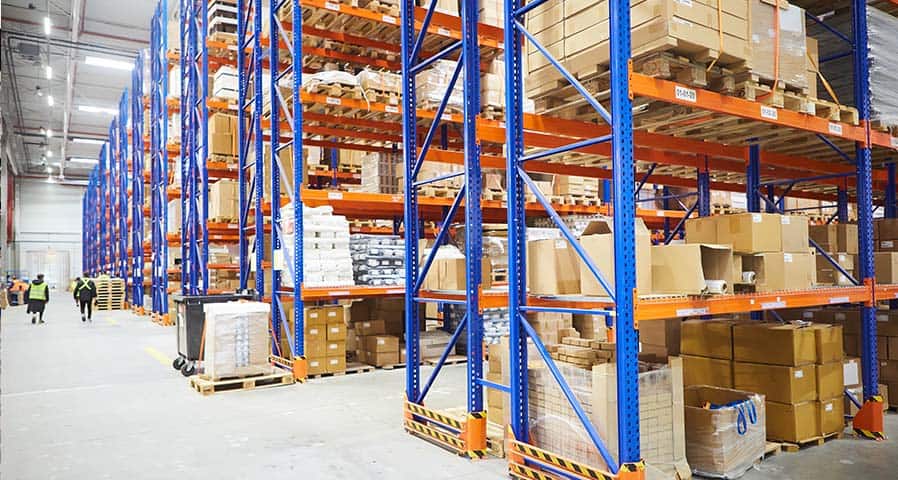
LED warehouse lighting can reduce electricity use, lower maintenance costs, and improve visibility across storage, picking, and loading areas. For facilities operating long hours, these benefits can make lighting upgrades a valuable operational investment.
An Action Services Group distribution center LED retrofit demonstrates that potential. The project replaced aging fluorescent and HID lighting, delivering substantial operating savings while addressing inconsistent illumination across interior and exterior spaces.
Warehouse LED lighting benefits include efficient light delivery, flexible control, and fewer routine lamp replacements. Unlike light sources that emit light in every direction, LEDs are directional, helping fixtures deliver illumination where it is needed. The U.S. Department of Energy identifies this characteristic as particularly useful for industrial applications.
An effective upgrade requires more than replacing existing fixtures with LED equivalents. Ceiling height, rack spacing, inventory placement, and work tasks all influence lighting requirements.
LED high bay warehouse lighting should match the building’s layout. A fixture suitable for an open staging area may distribute light poorly in a narrow storage aisle. Evaluating these differences helps facility managers improve performance without installing unnecessary wattage.
Warehouse LED retrofits can reduce lighting energy consumption by approximately 50% to 75%, according to manufacturer PacLights’ warehouse retrofit guidance. This is a representative range for upgrading older lighting, not a guaranteed reduction in a facility’s total electricity use.
Actual savings depend on existing fixture wattage, replacement equipment, operating schedules, and controls. Warehouses already using efficient lighting may see smaller reductions than facilities replacing aging fluorescent or HID systems.
Additional opportunities come from considering how individual areas operate. Picking and packing stations may require consistent illumination throughout a shift, while infrequently accessed storage aisles can benefit from occupancy-based dimming.
Warehouse lighting controls also allow daylight-responsive adjustments where skylights or windows provide sufficient illumination. Appropriate zoning and sensor placement help reduce unnecessary lighting while maintaining visibility as employees move between areas.
Well-designed LED lighting helps workers identify products, read labels, and spot obstacles by improving light distribution and reducing dark areas.
Vertical rack faces deserve particular attention. A warehouse floor may appear bright while labels on shelving remain difficult to read. Glare also matters, especially when employees look upward or operate equipment beneath fixtures.
LEDs provide immediate illumination without the warm-up period associated with many HID systems. However, LED does not automatically mean flicker-free. Driver quality and dimming compatibility affect performance, as explained in Department of Energy research on flicker.
Better visibility supports safer work, but lighting alone does not guarantee fewer accidents.
A warehouse LED retrofit can reduce maintenance costs by extending service intervals and eliminating recurring fluorescent lamp and ballast replacements.
In high-ceiling spaces, each service visit may require lift equipment, labor, and temporary restrictions around working areas. Reducing replacement frequency can therefore save more than lamp costs.
Rated life still requires careful interpretation. LED light output declines over time, and drivers or other components may need service before the LEDs reach their stated lumen-maintenance threshold. The Department of Energy’s luminaire lifetime guidance explains why overall fixture reliability matters alongside LED life ratings.
Facility managers should also evaluate warranties, replacement component availability, and suitability for the warehouse environment when comparing products.
Action Services Group’s distribution center project achieved a 68% energy reduction, demonstrating the savings possible when replacing outdated lighting.
The national kitchen and bath distributor’s Northeast facility had inconsistent illumination and recurring lamp and ballast failures. Action Services Group replaced 943 interior T12 fluorescent fixtures and 33 exterior HID/HPS fixtures with LED systems rated for 60,000-plus hours.
| Reported Project Result | Annual Impact |
| Energy reduction | 68% |
| Energy cost savings | More than $40,000 |
| Maintenance savings | $23,000 |
| Greenhouse gas reduction | 303,000 pounds |
The team coordinated assessment, design, installation, and rebate processing through ServicePoint Solutions. These distribution center LED retrofit results illustrate project-specific outcomes and the value of addressing lighting performance and maintenance together.
Can warehouse lighting upgrades be installed around active operations?
Yes. Installation can be phased by aisle, zone, or shift, with access coordinated around inventory movement and lift equipment.
Can LED warehouse lighting work in cold storage?
Yes, as long as fixtures and drivers are rated for the operating temperature. Moisture exposure and condensation also affect product selection.
Should a warehouse use the same LED fixtures indoors and outdoors?
Not necessarily. Exterior equipment needs appropriate weather protection and light distribution, while interior fixtures must suit mounting heights, racks, and working areas.
A successful upgrade starts with understanding existing conditions and defining the performance your facility needs. Action Services Group provides commercial LED retrofit services that bring assessment, product selection, installation, and project coordination together.
Read the full article originally published by PacLights.
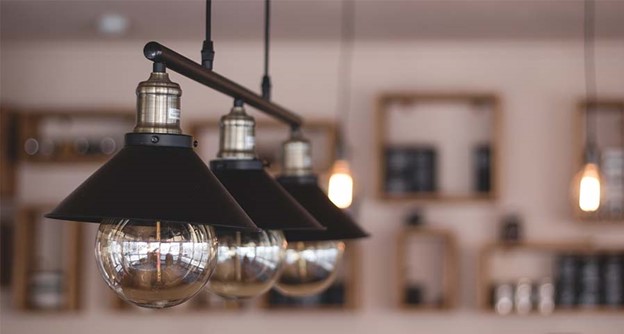
When retrofitting your LEDs, lightbulbs have various illuminance. Theres different ways to measure the lighting of…
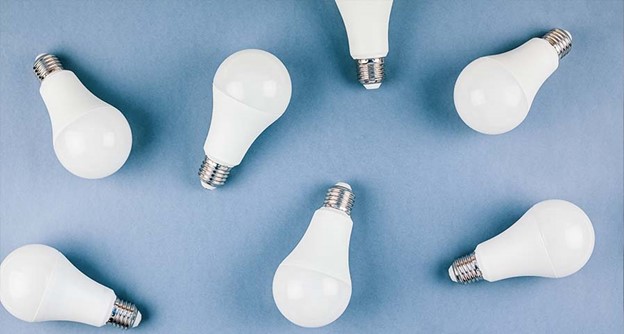
Understanding light measurements, luminance and foot-candle can help when choosing the perfect bulb for you next…

Exit signs and emergency lighting need to be in accordance with the NFPA, OSHA, and other…
When retrofitting your LEDs, lightbulbs have various illuminance. Theres different ways to measure the lighting of your next retrofit.
Understanding light measurements, luminance and foot-candle can help when choosing the perfect bulb for you next retrofit.
Exit signs and emergency lighting need to be in accordance with the NFPA, OSHA, and other state or local ordinances.