

Lighting Measurements – An In-depth Guide Part 1
When retrofitting your LEDs, lightbulbs have various illuminance. Theres different ways to measure the lighting of…


Commercial lighting rebates increased 17% on average across prescriptive product categories in 2026, with some of the largest gains supporting replacements for older HID lighting. According to BriteSwitch’s February 2026 industry report, these increases create opportunities for commercial property owners and facility managers to reconsider upgrades previously delayed by upfront costs.
The increase does not mean every utility raised its incentives by the same amount. Available rebates still depend on the property’s location, existing equipment, proposed improvements, and program requirements. However, the findings give facility teams a reason to revisit older estimates and evaluate current funding.
Projects replacing legacy high-intensity discharge, or HID, lighting recorded some of the strongest incentive increases. These systems commonly illuminate parking areas, building exteriors, and other commercial spaces.
The reported changes show where incentive growth has been most pronounced:
| Lighting Upgrade Category | Reported Incentive Increase |
| Prescriptive lighting incentives across all categories | 17% on average |
| Parking garage fixtures | 30% or more |
| Canopy fixtures | 30% or more |
| Wall packs | 30% or more |
| Outdoor pole lights | 30% or more |
| Screw-in HID replacement lamps | Up to 38% |
| Wall-mounted, remote, or fixture-mounted sensors | 12%–20% |
These percentages describe changes in incentive amounts. They do not represent the share of project costs covered, expected energy savings, or a guaranteed increase from an individual utility.
For facilities still using metal halide or high-pressure sodium lighting, an updated rebate estimate may change how a proposed upgrade fits into the capital improvement budget.
Higher project costs and utilities’ energy-saving goals may be contributing to larger incentives. The report identifies inflation, tariffs, rising labor costs, and pressure to reduce electricity consumption as likely influences.
Larger rebates can help offset equipment and installation expenses, making eligible projects easier to justify. Utilities may also direct more funding toward replacements that substantially reduce lighting power demand.
However, a higher incentive does not automatically make a project less expensive than it was last year. Property managers should evaluate current installation quotes alongside available rebates to understand the actual change in out-of-pocket costs.
The reported 12% to 20% increases for simple controls give facility teams another reason to evaluate how lighting operates, alongside which fixtures need replacement.
Occupancy sensors and other controls can reduce unnecessary lighting operation in spaces with intermittent use. When reviewing a retrofit, identify areas where lights remain on despite limited activity and determine whether compatible controls could improve operation.
Evaluate controls early in the project. Waiting until fixtures have been selected can limit integration options or require changes to the proposed equipment. Confirm whether the applicable rebate treats controls as a separate measure or includes them within a fixture incentive.
Temporary bonuses can increase standard rebates, sometimes substantially. Reported bonus offerings range from an additional 10% to double the standard incentive, although availability varies by program.
At the beginning of 2026, 7% of programs already had a bonus in place. That is an early-year snapshot, not a statement about how many bonuses remain available today.
Before including a bonus in the budget, verify eligible equipment, funding availability, and deadlines. Ask whether eligibility depends on the application date, purchase date, installation date, or completion of final documentation.
Some programs are moving from fixed payments per lamp or fixture toward incentives based on wattage reductions. Under these structures, the difference between existing and proposed lighting power can directly affect the rebate.
This makes an accurate equipment inventory more useful. Record fixture quantities and existing system wattages, then compare proposed replacements based on both energy performance and required light levels.
Some savings-based calculations remain part of prescriptive programs, so they do not automatically require a custom application. Nevertheless, property teams must confirm the documentation and approval requirements for the specific offering.
Can facilities that already have LED lighting qualify for rebates?
Some programs allow LED-to-LED upgrades, although explicit support remains limited. Eligibility may depend on the existing equipment, proposed efficiency improvement, and local program rules.
Should a business postpone an upgrade to wait for a larger bonus?
A future bonus is uncertain. Compare confirmed incentives with the energy use, maintenance needs, and operational effects of keeping the existing system in service.
Can a company use the same rebate estimate across multiple properties?
Each location needs its own review. Similar buildings may fall under different utilities, with different incentive amounts, eligibility criteria, and deadlines.
The increases reported for 2026 make this a useful time to reassess deferred lighting projects. Start with current equipment information, updated pricing, and a site-specific incentive review to determine which improvements deserve priority.
Action Services Group helps businesses identify and pursue available incentives through its Rebate Recovery Services. Tell us about your upcoming lighting projects to explore available rebate opportunities.
Click here to read the full article by Briteswitch.
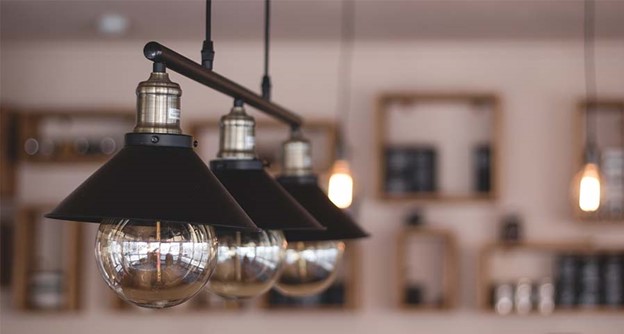
When retrofitting your LEDs, lightbulbs have various illuminance. Theres different ways to measure the lighting of…

Understanding light measurements, luminance and foot-candle can help when choosing the perfect bulb for you next…
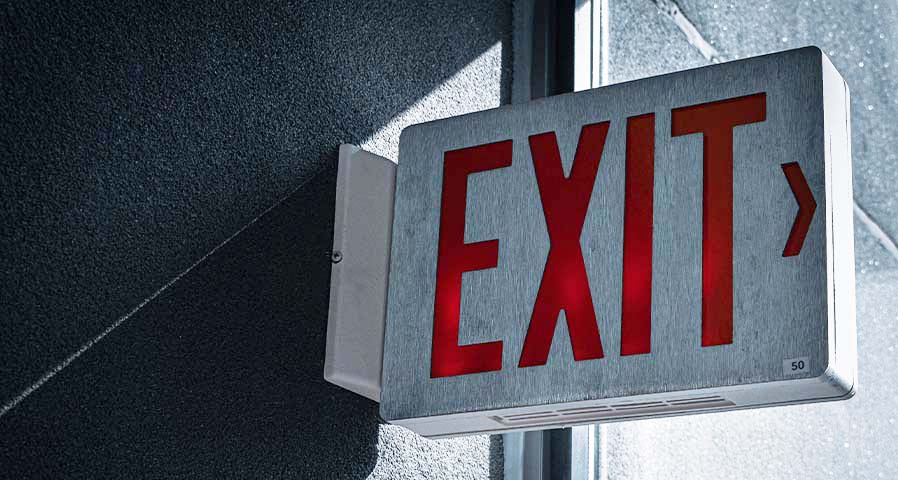
Exit signs and emergency lighting need to be in accordance with the NFPA, OSHA, and other…
When retrofitting your LEDs, lightbulbs have various illuminance. Theres different ways to measure the lighting of your next retrofit.
Understanding light measurements, luminance and foot-candle can help when choosing the perfect bulb for you next retrofit.
Exit signs and emergency lighting need to be in accordance with the NFPA, OSHA, and other state or local ordinances.