
Lighting Measurements – An In-depth Guide Part 1
When retrofitting your LEDs, lightbulbs have various illuminance. Theres different ways to measure the lighting of…

Ultraviolet (UV) light impacts both human health and commercial environments, especially when artificial sources are involved. Understanding the differences between UVA, UVB, and UVC is critical for making safe, informed decisions about lighting and air quality systems.
What are the key differences between UVA, UVB, and UVC light?
Ultraviolet (UV) light is a form of electromagnetic radiation measured in nanometers (nm), with wavelengths ranging from 100 nm to 400 nm.
It sits just outside the visible light spectrum and is categorized into three types based on wavelength and intensity.
| UV Type | Wavelength Range (nm) | Intensity Level | Primary Effects | Penetration Ability | Common Sources | Business Risk Level |
| UVA | 315–400 | Lowest | Skin aging, wrinkles, long-term cancer risk | Deep (dermis layer); penetrates glass and clouds | Sunlight, indoor exposure through windows | Moderate (chronic exposure risk) |
| UVB | 280–315 | Medium | Sunburn, skin damage, higher cancer risk | Surface-level (epidermis); partially blocked by atmosphere | Sunlight (varies by time and season) | High (acute exposure risk) |
| UVC | 100–280 | Highest | DNA/RNA damage, severe skin and eye injury | Minimal natural exposure; fully blocked by ozone | Artificial sources (germicidal lighting, industrial equipment) | Very High (controlled but hazardous) |
UVA rays have the longest wavelengths and are the most commonly encountered type of UV radiation. They penetrate deep into the skin’s dermis layer and are strongly associated with premature aging, wrinkles, and long-term skin damage.
Unlike other UV types, UVA can pass through glass and clouds, meaning exposure occurs even indoors or while driving.
From a business perspective:
UVB light has shorter wavelengths than UVA but delivers significantly more energy. It primarily affects the outer skin layer (epidermis) and is the main cause of sunburn.
UVB exposure varies depending on:
For businesses, UVB matters because:
Understanding the risks and applications of UVA, UVB, and UVC is important when evaluating safer indoor environments and air quality strategies. While Action Services Group no longer offers UV or air purification systems directly, these solutions are available through our affiliated company, Stouch Lighting.
Visit Stouch Lighting’s UV Disinfection for Indoor Air Quality page to learn how modern UV technologies can support cleaner indoor spaces, healthier environments, and improved facility confidence.
When you’re ready, connect with the team at Stouch Lighting to discuss your facility’s indoor air quality goals and available UV solutions.
👉 Explore UV Disinfection for Indoor Air Quality
👉 Contact Stouch Lighting for More Information
UVC light has the shortest wavelengths and the highest energy levels, making it the most intense form of UV radiation. While the Earth’s ozone layer blocks natural UVC, it is widely used in artificial applications.
Common artificial UVC applications include:
Because of its intensity, UVC can damage skin and eyes rapidly. Improper use in commercial environments can create serious safety hazards and compliance risks.
UVC is highly effective at destroying microorganisms by damaging their DNA and RNA, preventing reproduction.
This makes it useful for:
However, its effectiveness comes with risk. Direct exposure to UVC can be harmful, which is why controlled systems and proper shielding are essential.
Instead of relying on potentially hazardous UVC systems, many businesses are turning to advanced HVAC and air purification systems.
These systems:
For commercial facilities, this approach aligns better with safety standards and long-term operational reliability.
There is no single answer, as each type presents different risks:
The real risk depends on exposure duration, intensity, and whether the source is natural or artificial.
Effective UV protection strategies include:
These measures reduce liability while supporting workplace health and safety initiatives.
What Is the Difference Between UVA, UVB, and UVC Light?
UVA penetrates deeply and causes aging, UVB causes surface damage like sunburn, and UVC is the most intense and used primarily in artificial disinfection systems.
Is UVC Safe for Commercial Use?
UVC can be safe when properly contained and controlled, but direct exposure is dangerous and requires strict safety protocols.
Can UV Light Be Used for Air Purification?
Yes, but safer alternatives like advanced HVAC filtration systems are often preferred to avoid exposure risks.
Does Glass Block UV Light?
Glass blocks most UVB and UVC but allows UVA to pass through, which means indoor exposure is still possible.
Why UV Awareness Matters for Businesses
Understanding UVA, UVB, and UVC light affects your business and employee health. From employee safety to compliance and ESG strategy, UV exposure plays a role in how facilities are designed and managed.
For organizations looking to improve indoor air quality and reduce risk without relying on hazardous UV applications, working with a professional service provider can make a measurable difference.
When retrofitting your LEDs, lightbulbs have various illuminance. Theres different ways to measure the lighting of…
Understanding light measurements, luminance and foot-candle can help when choosing the perfect bulb for you next…
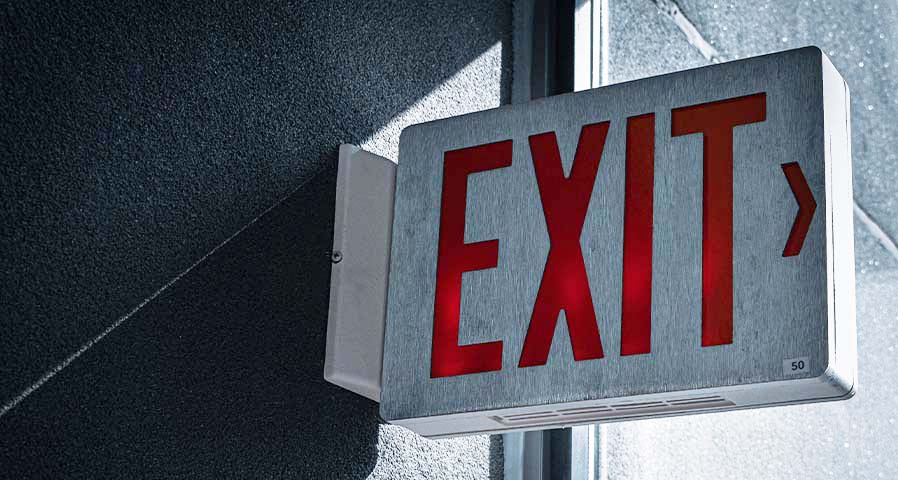
Exit signs and emergency lighting need to be in accordance with the NFPA, OSHA, and other…
When retrofitting your LEDs, lightbulbs have various illuminance. Theres different ways to measure the lighting of your next retrofit.
Understanding light measurements, luminance and foot-candle can help when choosing the perfect bulb for you next retrofit.
Exit signs and emergency lighting need to be in accordance with the NFPA, OSHA, and other state or local ordinances.