

Lighting Measurements – An In-depth Guide Part 1
When retrofitting your LEDs, lightbulbs have various illuminance. Theres different ways to measure the lighting of…

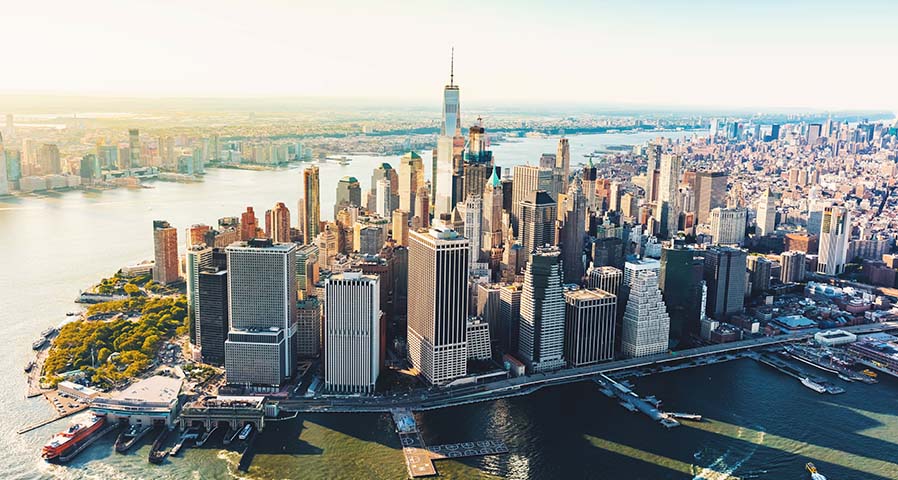
Commercial building standards in New York City continue evolving, and the latest version of the New York City Energy Conservation Code (NYCECC) is already reshaping how commercial properties approach energy efficiency, electrification, and smart building management.
The updated 2025 NYCECC officially went into effect on March 30, 2026, introducing stricter efficiency requirements for commercial construction and major renovations across New York City.
For facility managers, engineers, property owners, and contractors, understanding these changes is critical to maintaining compliance, avoiding costly redesigns, and preparing for stricter carbon-reduction mandates tied to New York City sustainability laws.
The 2025 NYCECC pushes commercial buildings toward electrification, advanced controls, and data-driven energy management. The updated standards closely align with Local Law 97’s carbon-reduction goals while increasing requirements for heating, ventilation, and air conditioning (HVAC) efficiency, lighting controls, and building envelope performance.
What are the biggest changes in the 2025 NYCECC?
The NYCECC establishes minimum energy efficiency requirements for buildings throughout New York City. The code covers how commercial and residential buildings consume energy through standards covering:
The 2025 NYCECC targets approximately 10%–15% additional energy savings compared to the previous 2020 code, depending on building type.
The updated standards also align more closely with requirements from the American Society of Heating, Refrigerating, and Air-Conditioning Engineers (ASHRAE) and New York State energy codes while supporting New York City’s broader decarbonization initiatives.
The updated code officially entered enforcement on March 30, 2026. Compliance depends largely on when a project was filed and whether the submission is considered complete.
| Project Type | Applicable Energy Code |
| New projects filed on or after March 30, 2026 | 2025 NYCECC |
| Projects fully filed before March 30, 2026 | 2020 NYCECC |
| Incomplete or materially modified filings after March 30, 2026 | 2025 NYCECC |
Projects with incomplete energy analyses or major design revisions may still require transition to the updated standards.
For commercial building owners, this creates additional pressure to coordinate project timelines carefully and avoid compliance-related redesigns.
One of the largest changes in the 2025 NYCECC is the aggressive shift toward electrification.
The updated code strongly favors:
The standards align closely with Local Law 97 and Local Law 154, both of which are accelerating New York City’s transition toward all-electric buildings.
For many commercial facilities, future compliance will depend on integrating smart electrical infrastructure rather than relying on traditional gas-fired mechanical systems.
The 2025 NYCECC introduces stricter performance requirements for HVAC equipment and lighting systems.
Commercial HVAC systems must now support:
These upgrades help reduce overall energy consumption while supporting emissions reduction targets.
Lighting requirements now place greater emphasis on intelligent automation and NLC systems.
Key updates include:
These systems are no longer considered optional upgrades for many commercial properties. In many cases, advanced lighting controls are becoming foundational tools for achieving code compliance and long-term operational savings.
The updated NYCECC also strengthens requirements for building envelope performance.
Commercial projects may now require:
These requirements affect both new construction and major renovation projects.
In older commercial buildings, envelope improvements may become one of the largest cost drivers for energy code compliance.
Historic properties previously received broader exemptions under older NYCECC versions. Under the 2025 update, those exemptions are now more limited.
Buildings must still comply unless owners can demonstrate that upgrades would negatively impact protected historic features.
This means many historic commercial buildings may still require substantial HVAC, lighting, and insulation upgrades despite preservation considerations.
One of the biggest operational shifts in the 2025 NYCECC is the growing importance of Building Management Systems (BMS) and artificial intelligence (AI)-driven automation.
The updated code increasingly relies on performance-based compliance strategies rather than simply prescribing equipment efficiency ratings. As a result, commercial facilities now need smarter systems that continuously optimize building performance.
Modern BMS platforms now support:
This is especially important for buildings subject to penalties under Local Law 97. Smart automation systems can help facilities reduce energy use during peak grid demand periods, improve operational efficiency, and avoid costly carbon-emission fines.
The growing role of NLC systems, integrated HVAC controls, and automated energy management loops reflects a broader industry shift toward intelligent commercial buildings rather than static energy systems.
For facility managers, this means building automation is rapidly shifting from a “nice-to-have” operational feature into a core compliance strategy for meeting NYCECC standards.
The 2025 NYCECC introduces stricter standards for electrification, lighting controls, HVAC efficiency, and smart building operations throughout New York City. Since the code officially took effect in March 2026, commercial building owners should already be evaluating how these new requirements impact upcoming construction, retrofit, and modernization projects.
As New York City continues to push toward decarbonization and intelligent building performance, the NYCECC will likely influence future energy code standards nationwide. Businesses that invest early in advanced controls, BMS platforms, and energy-efficient infrastructure will be better positioned to maintain compliance, improve operational performance, and reduce long-term energy costs.
Click here to read the full article, originally published March 27, 2026, by Facilities.net.
When retrofitting your LEDs, lightbulbs have various illuminance. Theres different ways to measure the lighting of…

Understanding light measurements, luminance and foot-candle can help when choosing the perfect bulb for you next…

Exit signs and emergency lighting need to be in accordance with the NFPA, OSHA, and other…
When retrofitting your LEDs, lightbulbs have various illuminance. Theres different ways to measure the lighting of your next retrofit.
Understanding light measurements, luminance and foot-candle can help when choosing the perfect bulb for you next retrofit.
Exit signs and emergency lighting need to be in accordance with the NFPA, OSHA, and other state or local ordinances.