

Lighting Measurements – An In-depth Guide Part 1
When retrofitting your LEDs, lightbulbs have various illuminance. Theres different ways to measure the lighting of…

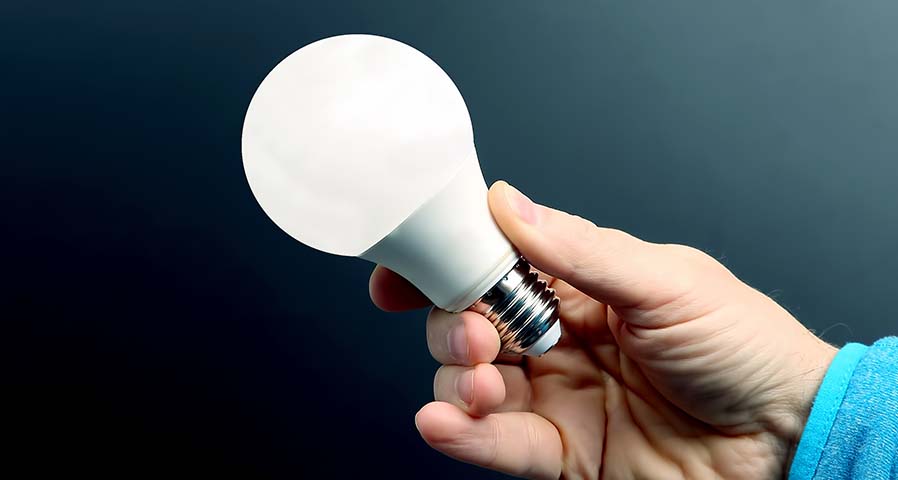
Commercial businesses continue to adopt LED lighting because the technology delivers measurable financial and operational benefits. Modern LED systems reduce energy consumption, lower maintenance costs, improve lighting quality, and support long-term sustainability goals.
What are the biggest benefits of LEDs for businesses?
Energy efficiency has become a major priority for commercial facilities, warehouses, retail centers, healthcare campuses, parking lots, and industrial buildings. Rising utility costs and stricter energy standards are pushing organizations to modernize outdated lighting systems.
LEDs for businesses offer one of the fastest and most cost-effective upgrades available, as they directly reduce operational expenses. Compared to fluorescent, halogen, and High-Intensity Discharge (HID) lighting systems, LEDs consume substantially less electricity while delivering better light output.
Many commercial LED retrofits reduce lighting energy consumption by 50% to 75%, depending on fixture type, operating hours, and controls integration. Lower energy usage translates into immediate monthly savings and stronger long-term return on investment.
One of the biggest reasons businesses invest in LED lighting is the strong financial return. Unlike many building upgrades that take years to deliver savings, LED retrofits often deliver measurable ROI in less than 3 years.
Several factors contribute to how LEDs increase ROI:
| ROI Factor | Business Impact |
| Lower Energy Consumption | Reduces monthly utility costs |
| Longer LED Lifespan | Minimizes replacement expenses |
| Reduced Maintenance | Cuts labor and equipment costs |
| Utility Rebates | Offsets upfront project costs |
| Improved Visibility | Enhances productivity and safety |
LED technology also supports scalable upgrades across multi-site facilities. Businesses can retrofit warehouses, offices, parking lots, manufacturing facilities, and retail locations while standardizing lighting performance across locations.
For organizations operating 24/7 facilities, the financial impact becomes even greater because lighting systems run continuously.
Traditional lighting systems require frequent lamp replacements, ballast repairs, and maintenance visits. These ongoing service calls increase operational costs and disrupt staff and customers.
Modern commercial LEDs typically last 50,000 hours or more, dramatically extending replacement cycles compared to fluorescent or HID systems.
The longer LED lifespan provides several operational advantages:
Maintenance savings have become especially important in large facilities with high ceilings, parking lots, exterior lighting systems, or difficult-to-access fixtures. In these environments, labor and equipment costs often exceed the actual cost of lamp replacement.
Modern LED lighting systems now integrate with advanced lighting controls and smart building technology. Businesses can maximize savings even further by combining LEDs with:
These systems allow facilities to automatically adjust lighting levels based on occupancy, available natural daylight, and operational schedules. Smart controls reduce wasted energy while maintaining proper illumination throughout the building.
Businesses implementing advanced lighting controls may also qualify for larger commercial energy rebates in many utility territories.
A 2025 case study published by Action Services Group demonstrates how LED retrofits can generate measurable financial and operational improvements for multi-site organizations.
Action Services Group partnered with a national entertainment company to complete LED retrofits for exterior parking lots at 30 locations nationwide. This featured project focused on a single facility in San Antonio, Texas, where outdated high-wattage fixtures were replaced with energy-efficient LED lighting systems.
Project Scope
| Project Detail | Description |
| Facility Type | Exterior Parking Lot |
| Location | San Antonio, Texas |
| Fixtures Upgraded | 5,598 lamps and fixtures |
| Initial Investment | $13,346 |
| Rebate Support | Included through turnkey rebate management |
| Payback Period | 20 months |
Challenges
The original lighting system consumed excessive energy, required frequent maintenance, and created inconsistent illumination throughout the parking area. The organization wanted to improve visibility and safety while reducing operational expenses.
The LED Retrofit Solution
Action Services Group provided a turnkey LED retrofit solution that included:
All work was completed through the company’s nationwide network of certified technicians and installation partners.
Results
The retrofit delivered significant operational improvements and financial savings:
| Result | Outcome |
| Energy Reduction | 70% annual energy savings |
| Annual Energy Usage | Reduced from 78,840 kWh to 23,652 kWh |
| Annual Energy Cost Savings | $4,856 |
| Three-Year Energy Savings | $15,160 |
| Maintenance Savings | Reduced service frequency and lift usage |
| Lighting Performance | Improved visibility and safety |
| ROI Timeline | Less than 2 years |
The project highlights how commercial LED retrofits can improve lighting quality while simultaneously lowering operational costs and maintenance demands.
LED lighting has evolved from a simple energy-saving upgrade into a long-term operational strategy for commercial facilities. Businesses now use LED systems to reduce costs, support sustainability initiatives, improve occupant comfort, and modernize facility infrastructure.
Organizations that delay LED upgrades often continue paying higher utility costs while dealing with avoidable maintenance issues tied to aging lighting systems.
With modern rebate programs, smart controls, and advanced fixture technology, LED retrofits remain among the most effective building upgrades for commercial properties.
How long do commercial LEDs last?
Most commercial-grade LED fixtures last 50,000 hours or more, depending on operating conditions and product quality. This significantly reduces replacement frequency compared to fluorescent or HID systems.
How do LEDs increase ROI for businesses?
LEDs reduce electricity usage, lower maintenance expenses, extend fixture lifespan, and may qualify for utility rebates. These combined savings help businesses recover project costs faster.
Do LEDs require less maintenance?
Yes. LEDs have fewer replacement cycles and longer operational life, reducing labor costs, lift usage, and service interruptions.
Can businesses combine LEDs with lighting controls?
Yes. Many facilities integrate LEDs with occupancy sensors, daylight harvesting, and Networked Lighting Controls (NLC) to maximize energy savings and automation.
Click here to read the full article, originally published by Low Energy Designs.
When retrofitting your LEDs, lightbulbs have various illuminance. Theres different ways to measure the lighting of…
Understanding light measurements, luminance and foot-candle can help when choosing the perfect bulb for you next…
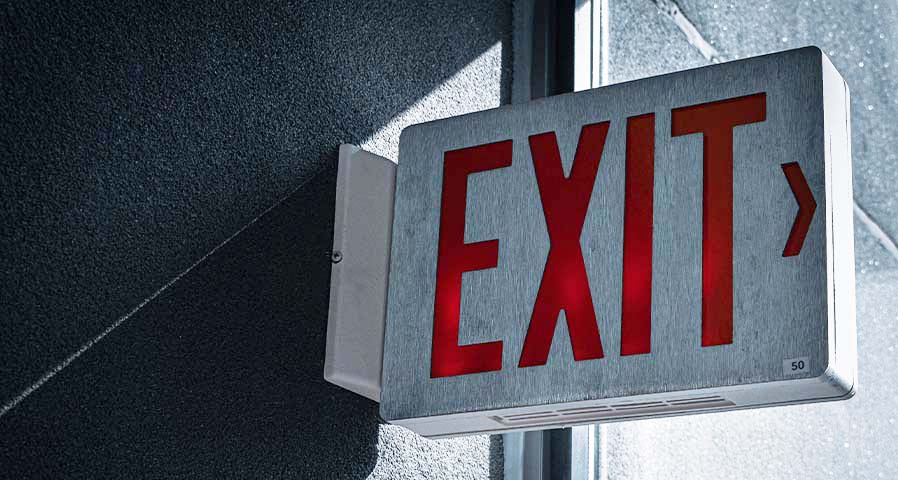
Exit signs and emergency lighting need to be in accordance with the NFPA, OSHA, and other…
When retrofitting your LEDs, lightbulbs have various illuminance. Theres different ways to measure the lighting of your next retrofit.
Understanding light measurements, luminance and foot-candle can help when choosing the perfect bulb for you next retrofit.
Exit signs and emergency lighting need to be in accordance with the NFPA, OSHA, and other state or local ordinances.