

Lighting Measurements – An In-depth Guide Part 1
When retrofitting your LEDs, lightbulbs have various illuminance. Theres different ways to measure the lighting of…


The commercial and industrial LED lighting markets continue to expand rapidly as businesses prioritize energy efficiency, operational savings, and smart building technologies. According to recent market research, the global industrial and commercial LED lighting market is expected to grow from $77.39 billion in 2025 to $93.19 billion in 2026, representing an impressive compound annual growth rate (CAGR) of 20.4%.
The outlook remains equally strong over the next several years. By 2030, the market is projected to reach $193.38 billion, reflecting significant growth in the lighting market driven by technological innovation, energy-saving initiatives, and rising demand for connected lighting solutions.
One of the primary drivers of lighting market growth is the ongoing expansion of commercial construction and renovation projects. New office buildings, warehouses, manufacturing facilities, retail stores, and hospitality properties increasingly specify LED lighting as the preferred lighting technology.
LED systems offer significant advantages compared to legacy fluorescent, metal halide, and high-pressure sodium fixtures. These benefits include lower energy consumption, longer operating life, reduced maintenance requirements, and improved light quality. Many of these options are being prohibited from sales and distribution in some states.
Renovation activity is also contributing to market expansion. Building owners are upgrading aging lighting infrastructure to reduce operating costs, improve occupant comfort, and meet evolving sustainability goals. As energy costs continue to rise, many organizations view LED upgrades as one of the fastest-returning efficiency investments available.
Industrial LED lighting has become essential in warehouses, manufacturing plants, distribution centers, and other industrial environments where reliable illumination directly impacts productivity and safety.
Modern industrial LED fixtures provide higher efficacy, improved visibility, and greater durability than traditional lighting technologies. High-bay fixtures, linear LED systems, task lighting, and outdoor area lighting are increasingly being deployed across industrial facilities seeking to reduce energy consumption while maintaining optimal light levels.
Another key advantage is longevity. Many industrial LED lighting products can operate for tens of thousands of hours, significantly reducing maintenance costs and minimizing disruptions caused by lamp replacements.
As industrial facilities continue to automate operations and implement smart technologies, lighting systems are becoming integrated components of broader facility management strategies.
One of the most significant trends influencing commercial LED lighting adoption is the growth of smart connected lighting systems.
Today’s lighting solutions increasingly incorporate sensors, wireless communication, occupancy detection, daylight harvesting, and centralized monitoring capabilities. These technologies allow facility managers to optimize energy usage while improving occupant experiences.
Recent product launches demonstrate how manufacturers are responding to this demand. Advanced smart lighting systems now allow users to remotely adjust lighting schedules, dimming levels, and operating parameters while collecting valuable performance data.
The integration of Internet of Things (IoT) technology is also creating new opportunities for building automation. Lighting systems can now communicate with HVAC, security, and building management systems to create more intelligent and efficient facilities.
Industry consolidation is also helping accelerate innovation and market expansion. Acquisitions and strategic partnerships enable manufacturers to broaden their product portfolios and strengthen their positions in the commercial and industrial lighting sectors.
For example, Action Services Group’s acquisition of Stouch Lighting combined manufacturer-neutral lighting design and product procurement expertise with a national project management and installation infrastructure. This reflects a major 2026 market shift: stadium and facility operators are moving away from piecemeal sourcing and increasingly demanding single-source, turn-key delivery models to lower project costs and optimize rebate recovery.
Major manufacturers, including Samsung, Signify, Acuity Brands, ABB, Eaton, Honeywell, Panasonic, and Current Lighting, continue to invest heavily in product development, controls integration, and smart lighting capabilities.
Despite strong growth projections, the market faces several challenges. Global tariffs and trade uncertainties continue to affect the costs of LED components, including chips, drivers, electronic controls, and heat sinks.
These increased costs can affect project budgets for commercial and industrial lighting installations. However, they are also encouraging manufacturers to diversify supply chains, increase domestic production, and develop more cost-efficient technologies.
Over time, these adjustments may help create a more resilient LED lighting industry while reducing dependence on international sourcing of components.
What is driving growth in the commercial LED lighting market?
The primary drivers include new commercial construction, building renovations, energy-efficiency initiatives, and the growing adoption of smart lighting controls, which help businesses reduce operating costs.
Why are industrial LED lighting systems replacing traditional lighting technologies?
Industrial LED lighting offers longer lifespans, lower energy consumption, reduced maintenance requirements, and improved light quality compared to fluorescent, metal halide, and high-pressure sodium fixtures.
How are smart lighting technologies impacting the LED lighting market?
Smart lighting systems integrate sensors, automation, occupancy controls, daylight harvesting, and IoT connectivity to optimize energy use, improve building performance, and support broader smart building strategies.
The future of commercial LED lighting and industrial LED lighting remains exceptionally strong. Construction activity, retrofit opportunities, smart building adoption, and increasing demand for energy-efficient technologies are fueling market growth.
As organizations pursue sustainability goals and seek greater operational efficiency, LED lighting will continue to play a critical role in modern commercial and industrial facilities. Combined with advances in controls, automation, and AI-driven optimization, the next generation of lighting solutions is expected to deliver even greater value throughout the remainder of the decade.
For facility owners, contractors, and lighting professionals, the continued expansion of the LED market signals ongoing opportunities to reduce energy costs, improve building performance, and support long-term business objectives.
Click here to read the full report, originally published in January 2026, by Research and Markets.
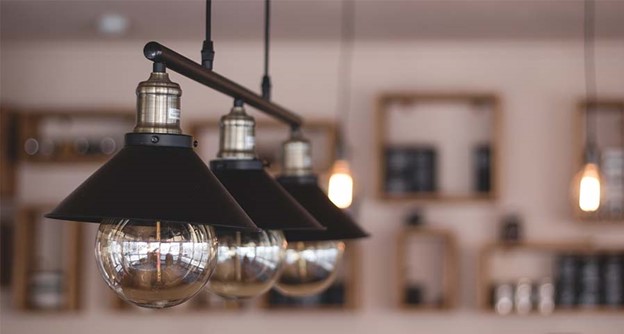
When retrofitting your LEDs, lightbulbs have various illuminance. Theres different ways to measure the lighting of…
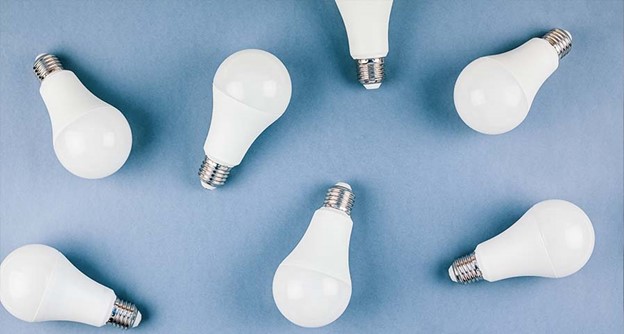
Understanding light measurements, luminance and foot-candle can help when choosing the perfect bulb for you next…
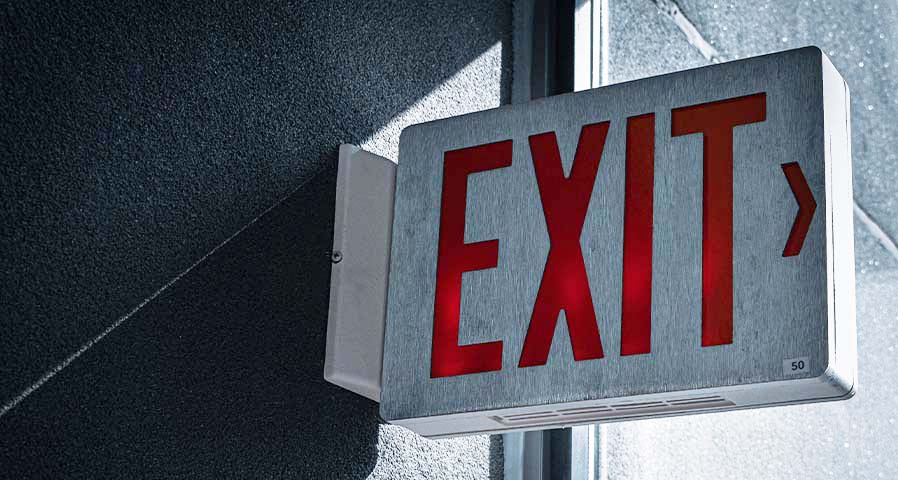
Exit signs and emergency lighting need to be in accordance with the NFPA, OSHA, and other…
When retrofitting your LEDs, lightbulbs have various illuminance. Theres different ways to measure the lighting of your next retrofit.
Understanding light measurements, luminance and foot-candle can help when choosing the perfect bulb for you next retrofit.
Exit signs and emergency lighting need to be in accordance with the NFPA, OSHA, and other state or local ordinances.