

Lighting Measurements – An In-depth Guide Part 1
When retrofitting your LEDs, lightbulbs have various illuminance. Theres different ways to measure the lighting of…


This is the fourth blog in our series examining how lighting automation is used in commercial facilities. For a review of Exploring the Types of Control Systems, click here, to review Part 2 – Smart + AI-Enhanced Lighting Control Strategies, click here, to review Part 3 – Knowing your Technology Architecture, click here.
As commercial buildings continue to evolve toward higher efficiency and smarter operations, the integration of lighting controls with broader building systems has become a foundational strategy for optimization. In 2026, this integration goes well beyond basic scheduling and occupancy sensing. Advanced controls, paired with AI automation, now enable buildings to learn from data, anticipate needs, and continuously optimize performance. By combining traditional control strategies with AI powered lighting control technology, facility managers can unlock deeper energy savings, improved comfort, and long-term operational resilience.
This article explores key systems that integrate with commercial lighting controls in 2026, including plug load control, environmental monitoring, renewable energy systems, backup power, and AI-driven building automation.
Plug load control remains one of the most underutilized opportunities in commercial energy management. Devices such as monitors, task lights, printers, and chargers often draw power even when not actively in use, creating ongoing “vampire load” energy waste. Plug load control systems address this issue by routing equipment through controlled outlets or smart power strips that respond to schedules, occupancy sensors, or system-level commands.
In more advanced deployments, plug load controllers are integrated into a centralized lighting and building control network. When paired with AI automation, these systems go a step further. AI can analyze occupancy trends, usage patterns, and time-of-day data to determine when devices are truly needed. Instead of relying solely on fixed schedules, AI-powered systems dynamically shut down or restore plug loads based on real-world behavior, reducing unnecessary consumption while maintaining productivity.
Prepare Your Buildings for What’s Next
AI-driven lighting automation and building optimization are no longer future concepts—they’re becoming operational expectations. Explore our Lighting Control Solutions to see how today’s platforms support intelligent automation, real-time insights, and long-term scalability.
When you’re ready, schedule a call with our lighting and controls experts to discuss how AI-driven strategies can be applied across your facilities to improve efficiency, performance, and decision-making in 2026 and beyond.
👉 Explore Lighting Control Solutions
👉 Schedule a Call with Our Lighting & Controls Experts
Environmental monitoring expands the role of lighting controls into a broader building intelligence platform. Modern lighting control networks can support sensors that track temperature, humidity, CO2 levels, and air quality, all through a shared infrastructure. These sensors provide continuous feedback on indoor conditions and can trigger alerts or automated responses when thresholds are exceeded.
When AI is layered onto environmental monitoring, raw sensor data becomes actionable insight. AI algorithms identify patterns over time, such as recurring temperature imbalances or air quality fluctuations tied to occupancy levels. Lighting and HVAC systems can then be adjusted automatically to maintain comfort while minimizing energy use. In specialized environments like greenhouses, laboratories, or healthcare facilities, AI-driven environmental monitoring ensures precise conditions without requiring separate monitoring systems.
Integrating solar panels with intelligent building controls has become an increasingly valuable strategy for commercial properties focused on sustainability and cost control. When lighting systems, HVAC, and other loads are connected to a centralized control platform, renewable energy can be used more strategically.
AI-powered controls enhance this integration by forecasting energy production and demand. By analyzing weather data, historical usage, and occupancy patterns, AI can prioritize lighting and equipment operation during peak solar production hours. Excess energy can be stored in batteries for later use, while AI determines the most cost-effective times to draw from storage versus the grid. This level of optimization improves return on investment, reduces carbon impact, and supports long-term energy independence.
Backup power systems and uninterruptible power supplies play a critical role in maintaining safety and continuity in commercial buildings. Battery-powered UPS units, flywheel systems, and standby generators are commonly used to support critical loads during outages. Integrating these systems with intelligent building controls allows for real-time monitoring, automated testing, and proactive maintenance.
AI automation significantly enhances backup power management. By continuously analyzing performance data, AI can predict battery degradation, identify underperforming components, and schedule maintenance before failures occur. During an outage, AI-driven systems can prioritize essential lighting, life-safety systems, and critical equipment, ensuring energy is allocated where it matters most. This approach improves reliability while reducing operational risk.

The most transformative advancement in building controls is the integration of AI across lighting, HVAC, plug loads, and security systems. Traditional building automation systems rely on predefined rules and static logic. In contrast, AI-powered platforms learn from ongoing data streams and adapt over time.
AI powered lighting control technology enables dynamic optimization by analyzing occupancy patterns, daylight availability, weather forecasts, and historical performance. Lighting levels can be adjusted automatically to balance energy savings with occupant comfort. AI also accelerates optimization of HVAC deadbands, reducing equipment wear while maintaining consistent indoor conditions.
Beyond energy management, AI supports predictive maintenance by detecting early signs of equipment failure. This reduces downtime, lowers repair costs, and extends asset life. AI-driven insights also improve space utilization by identifying underused areas and informing layout or scheduling changes. Security systems benefit as well, with AI analyzing sensor and camera data to detect anomalies and enhance building safety.
Integrating lighting controls with plug load management, environmental monitoring, renewable energy, backup power, and AI automation creates a unified strategy for building optimization. Rather than operating in silos, these systems work together to reduce waste, improve comfort, and support sustainability goals.
Action Services Group helps businesses navigate this evolving landscape by implementing integrated control solutions tailored to each facility. By combining advanced lighting controls with AI-driven building optimization, commercial properties can position themselves for long-term efficiency, resilience, and cost-effectiveness in 2026 and beyond.
To speak with a lighting control specialist, call 610-558-9773, email [email protected], or schedule a consultation that fits your needs.
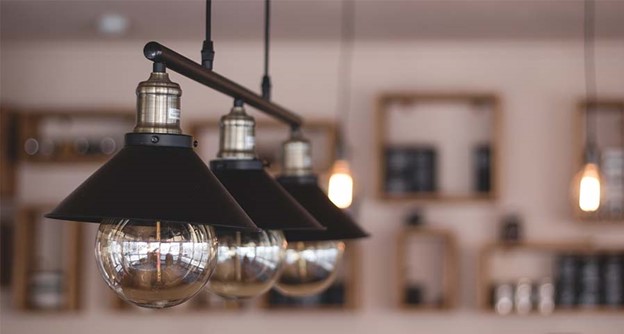
When retrofitting your LEDs, lightbulbs have various illuminance. Theres different ways to measure the lighting of…
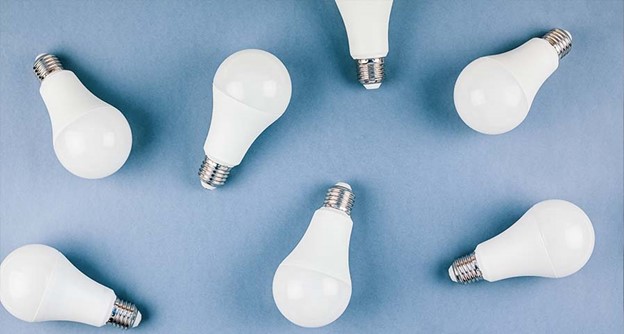
Understanding light measurements, luminance and foot-candle can help when choosing the perfect bulb for you next…

Exit signs and emergency lighting need to be in accordance with the NFPA, OSHA, and other…
When retrofitting your LEDs, lightbulbs have various illuminance. Theres different ways to measure the lighting of your next retrofit.
Understanding light measurements, luminance and foot-candle can help when choosing the perfect bulb for you next retrofit.
Exit signs and emergency lighting need to be in accordance with the NFPA, OSHA, and other state or local ordinances.