

Lighting Measurements – An In-depth Guide Part 1
When retrofitting your LEDs, lightbulbs have various illuminance. Theres different ways to measure the lighting of…

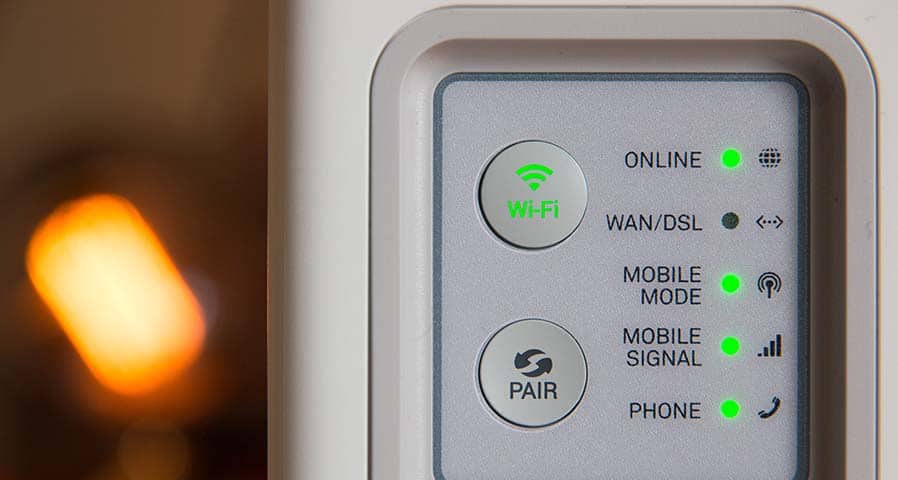
Modern EV charging stations rely on internet connectivity to enable smart features, user access, and performance monitoring. For commercial facilities, choosing the right connection method is essential for reliability, scalability, and long-term success.
What are the best internet connection options for EV chargers?
As EV charging technology continues to evolve, most modern (third-generation) chargers are designed to operate as part of a connected network. This allows facility managers and property owners to monitor usage, manage access, and optimize performance across their charging infrastructure.
However, selecting the right internet connection method can be just as important as choosing the charger itself.
Unlike early EV charging systems, today’s chargers rely on connectivity to deliver a full range of features.
Connected EV chargers enable:
Without a reliable internet connection, many of these features may not function properly, which can impact both user experience and operational efficiency.
There are several ways to connect EV charging stations to the internet. The right option depends on your facility layout, infrastructure, and reliability requirements.
An ethernet connection uses physical cables (RJ45) to connect EV chargers directly to a network.
Benefits of Ethernet Connectivity
Ethernet is often the preferred option when chargers are located near buildings or existing network infrastructure. Cables are typically installed alongside electrical wiring, making it a practical solution during initial installation.
Considerations
Wi-Fi connectivity allows EV chargers to connect to a local wireless network.
Benefits of Wi-Fi Connectivity
Wi-Fi is often used in commercial properties such as retail centers, offices, and multi-family housing, where a strong network is already in place.
Considerations
Cellular connectivity uses a 3G, 4G, or LTE network via a SIM card installed in the charger.
Benefits of Cellular Connectivity
Cellular connections are commonly used when chargers are installed in areas without easy access to wired or Wi-Fi networks.
Considerations
In some cases, a mixed-mode connection is the best solution.
This approach combines multiple connectivity methods, such as:
Benefits of Mixed-Mode Connectivity
Mixed-mode solutions are particularly useful for large commercial properties or multi-site deployments where uptime is critical.
The best EV charger internet connection depends on several factors:
Site Location and Layout
Reliability Requirements
Number of Chargers
Budget and Infrastructure
For many facilities, a combination of connection types may provide the best balance of performance, cost, and reliability.
Reliable internet connectivity is essential for maintaining a positive user experience and ensuring chargers operate as expected.
Poor connectivity can result in:
For commercial facilities, these issues can impact both customer satisfaction and operational efficiency.
Plan Your EV Charging Infrastructure the Right Way
Choosing the right internet connection is a critical part of EV charging infrastructure planning. Connectivity impacts everything from user access and payment processing to system monitoring and long-term scalability.
Visit our EV Charging Solutions page to learn how Action Services Group helps organizations design and implement fully connected EV charging systems. When you are ready, schedule a call with our team to discuss your facility and connectivity needs.
👉 Explore EV Charging Solutions
👉 Schedule a Call with Our Experts
Choose Ethernet if:
Choose Wi-Fi if:
Choose Cellular if:
Choose Mixed-Mode if:
As EV infrastructure continues to expand, connectivity will play an even greater role in performance and scalability.
Emerging trends include:
Facilities that invest in reliable connectivity today will be better positioned to support future EV demand.
Do EV chargers need internet access?
Yes. Most modern EV chargers require internet connectivity for payments, monitoring, user access, and remote diagnostics.
What is the most reliable EV charger connection?
Ethernet (wired) connections are typically the most reliable and secure option.
Can EV chargers work without internet?
Some chargers can operate in a limited offline mode, but most smart features will not be available.
Is Wi-Fi reliable for EV charging?
Wi-Fi can be reliable if supported by strong signal coverage and commercial-grade networking equipment.
What is the best option for remote EV chargers?
Cellular connectivity is often the best option for remote locations without access to wired or Wi-Fi networks.
Internet connectivity is a critical component of modern EV charging infrastructure. The right connection method ensures reliable operation, seamless user experience, and full access to smart charging features.
Whether you choose ethernet, Wi-Fi, cellular, or a hybrid approach, your connectivity strategy should align with your facility’s layout, usage, and long-term goals.
If you are planning EV charging infrastructure, Action Services Group can help you evaluate your connectivity options and implement a solution that supports performance, reliability, and scalability. To get started, call 610-558-9773, email [email protected], or schedule a consultation with our team.

When retrofitting your LEDs, lightbulbs have various illuminance. Theres different ways to measure the lighting of…

Understanding light measurements, luminance and foot-candle can help when choosing the perfect bulb for you next…

Exit signs and emergency lighting need to be in accordance with the NFPA, OSHA, and other…
When retrofitting your LEDs, lightbulbs have various illuminance. Theres different ways to measure the lighting of your next retrofit.
Understanding light measurements, luminance and foot-candle can help when choosing the perfect bulb for you next retrofit.
Exit signs and emergency lighting need to be in accordance with the NFPA, OSHA, and other state or local ordinances.