

Lighting Measurements – An In-depth Guide Part 1
When retrofitting your LEDs, lightbulbs have various illuminance. Theres different ways to measure the lighting of…

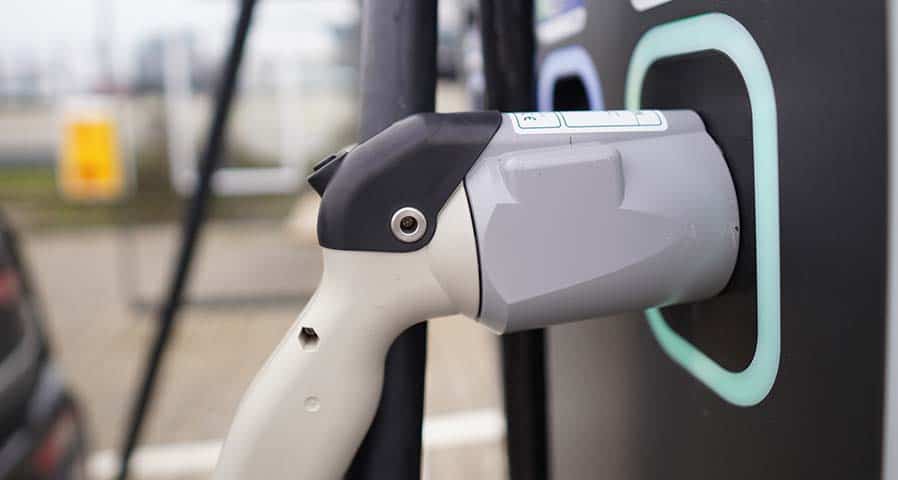
Once EV charging infrastructure is installed, ongoing operations and maintenance become critical to long-term performance, cost control, and user experience. For commercial property owners and facility managers, planning for these factors is essential to maximize ROI and system reliability.
What should you consider after installing EV charging infrastructure?
Installing EV chargers is only the first step. Once your EV charging infrastructure is operational, managing performance, costs, and user access becomes an ongoing responsibility.
Understanding how to manage EV charging operations helps ensure your investment continues to deliver value over time.
Operating EV charging stations involves several ongoing costs that facility owners and operators should plan for.
Electricity is one of the largest operational expenses for EV charging infrastructure.
EV charging energy usage is measured in kilowatt-hours (kWh), and costs can vary based on:
DC fast chargers typically result in higher electricity costs due to their increased power demand. In some cases, demand charges are calculated based on the highest energy usage within a short time window, which can significantly impact monthly utility bills.
Many organizations look to offset these costs by:
Like any electrical system, EV charging infrastructure requires ongoing maintenance to ensure safe and reliable operation.
Even minor issues, such as damaged cables, can result in costly repairs if not addressed early.
Most EV charger owners should plan for annual maintenance costs, along with potential additional expenses for:
Establishing clear responsibility for maintenance, whether handled internally or through a service provider, is essential for avoiding unexpected costs and downtime.
Many organizations choose to implement charging fees to offset operational costs and generate revenue.
EV charging pricing can be structured in several ways:
Some organizations also implement tiered pricing, offering:
While many charging stations charge fees, some organizations still offer free charging as an amenity. The right pricing strategy depends on your goals, whether that is cost recovery, revenue generation, or tenant attraction.
Another key decision in EV charging operations is determining who can access your charging stations.
Choosing between public and private access depends on how your facility operates and whether your goal is to provide an amenity, control access, or generate revenue.
Data collection is a critical component of EV charging infrastructure management.
Most modern charging systems include network platforms that provide:
For non-networked systems, additional tools such as sub-metering or third-party software may be required to track usage and performance.
Access to this data allows facility managers to:
A well-planned EV charging system goes beyond installation. Ongoing operations and maintenance directly impact:
Without a clear operational strategy, even a well-designed EV charging system can underperform or become difficult to manage.
Plan Your EV Charging Strategy the Right Way
Managing EV charging infrastructure requires a combination of electrical expertise, operational planning, and ongoing support.
Visit our EV Charging Solutions page to learn how Action Services Group helps organizations design, install, and support EV charging infrastructure across commercial facilities. When you are ready, schedule a call with our team to discuss your EV charging goals and operational needs.
👉 Explore EV Charging Solutions
👉 Schedule a Call with Our Experts
As EV charging networks grow, many organizations find value in centralized management and support.
You may benefit from EV charging management services if:
A structured management approach can simplify operations and ensure your charging infrastructure continues to perform as expected.
As EV adoption increases, charging infrastructure is becoming more sophisticated.
Future trends in EV charging operations include:
Organizations that plan for these advancements today will be better positioned to adapt as EV demand continues to grow.
What are the main costs of operating EV charging stations?
The primary costs include electricity usage, demand charges, maintenance, repairs, and optional warranties or service agreements.
How much maintenance do EV chargers require?
EV chargers require routine inspections, cleaning, and occasional repairs. Maintenance needs may vary based on usage and environment.
Can EV charging stations generate revenue?
Yes. Many organizations implement pricing models such as per kWh, per session, or subscription-based charging to offset costs and generate revenue.
Should EV chargers be public or private?
It depends on your goals. Public chargers increase accessibility, while private chargers offer more control, tracking, and user management.
Why is data collection important for EV charging?
Data helps monitor performance, track usage, optimize pricing, and plan for future expansion.
EV charging infrastructure does not end with installation. Ongoing operations, maintenance, pricing, and performance monitoring all play a critical role in ensuring long-term success.
For commercial facilities, a well-managed EV charging system improves reliability, controls costs, and enhances the overall user experience.
If you are planning EV charging infrastructure or looking to improve the performance of your existing system, Action Services Group can help. Our team supports organizations with turn-key EV charging solutions, from design and installation to ongoing operational support.
To learn more, call 610-558-9773, email [email protected], or schedule a consultation with our team.

When retrofitting your LEDs, lightbulbs have various illuminance. Theres different ways to measure the lighting of…

Understanding light measurements, luminance and foot-candle can help when choosing the perfect bulb for you next…

Exit signs and emergency lighting need to be in accordance with the NFPA, OSHA, and other…
When retrofitting your LEDs, lightbulbs have various illuminance. Theres different ways to measure the lighting of your next retrofit.
Understanding light measurements, luminance and foot-candle can help when choosing the perfect bulb for you next retrofit.
Exit signs and emergency lighting need to be in accordance with the NFPA, OSHA, and other state or local ordinances.