

Lighting Measurements – An In-depth Guide Part 1
When retrofitting your LEDs, lightbulbs have various illuminance. Theres different ways to measure the lighting of…

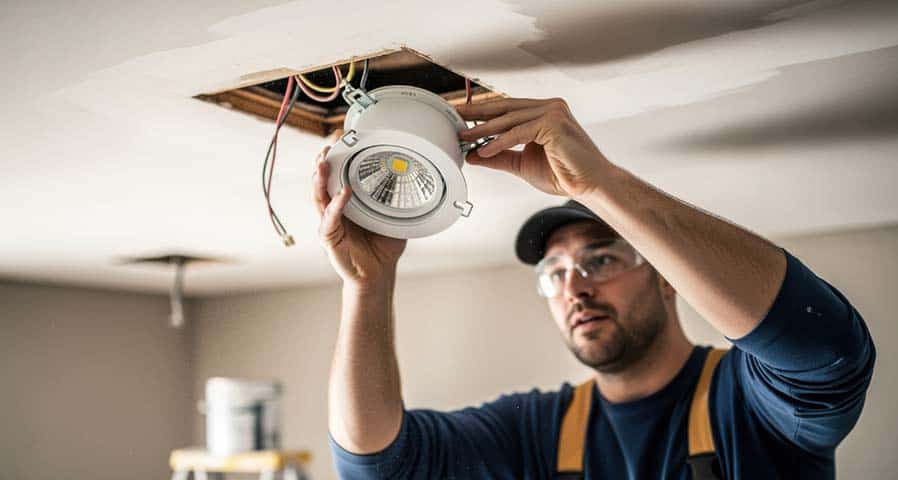
Commercial facility managers who installed LED lighting eight to ten years ago often assume their LED lighting systems are already optimized for energy efficiency. While the original transition from fluorescent, high-intensity discharge (HID), and incandescent lighting to LED technology delivered substantial savings, today’s LED products are significantly more efficient than the first generation of commercial LEDs.
As lighting technology continues to evolve, many organizations are discovering that LED-to-LED upgrades can unlock another round of energy savings, improve lighting quality, reduce maintenance costs, and qualify for new utility incentives. In many cases, businesses can reduce lighting energy consumption by an additional 20% to 50% simply by replacing older LED fixtures with modern high-efficiency alternatives.
For facilities that adopted LED lighting during the early 2010s, the opportunity is becoming increasingly attractive. Improvements in efficacy, expanded rebate programs, and advanced lighting controls are creating a compelling business case for replacing aging LED systems.
Should your facility consider an LED-to-LED upgrade?
An LED-to-LED upgrade is a commercial lighting retrofit that replaces existing LED fixtures, lamps, or luminaires with newer, higher-efficiency LED technology to reduce energy consumption, improve lighting performance, and qualify for available LED-to-LED rebates.
Unlike traditional retrofit projects that replace fluorescent or HID lighting systems, LED-to-LED upgrades focus on improving an already efficient lighting system. The objective is to capture additional energy savings, improve lighting quality, reduce maintenance costs, and leverage technologies that were unavailable when many facilities completed their original LED conversion.
The primary reason LED-to-LED upgrades are gaining momentum is simple: LED technology continues to become more efficient.
One of the best ways to measure these advancements is through the DesignLights Consortium (DLC), a nonprofit organization that establishes performance standards for commercial lighting products. The latest DLC Solid-State Lighting (SSL) Version 6.0 requirements replaced SSL Version 5.1 and introduced higher efficacy thresholds, expanded controllability requirements, and a greater emphasis on connected lighting systems.
For facility managers evaluating an LED-to-LED upgrade, the takeaway is clear: modern LED fixtures are being held to higher performance standards than the products installed a decade ago. As manufacturers continue improving efficacy and controls integration, organizations that upgraded to LED during the early stages of adoption may be missing significant opportunities for additional energy savings.

One of the most common questions facility managers ask is: How much can I save with an LED-to-LED upgrade?
The answer depends on fixture type, operating hours, utility rates, and facility usage. However, many organizations achieve energy reductions ranging from 20% to 50% when replacing first-generation LED fixtures with current-generation products.
For example, a decade ago, Lithonia’s TZL1N 8-foot direct linear fixture required approximately 83 watts to produce 10,000 lumens. Today, a comparable fixture can produce the same light output using only 68 watts, representing an 18% reduction in energy consumption.
Modern LED fixtures also provide field-adjustable capabilities that were uncommon ten years ago. Facility managers can often adjust light output and color temperature after installation, allowing them to right-size illumination levels for specific spaces and unlock additional savings.
In many cases, yes.
If your facility installed LED lighting more than eight years ago, newer fixtures can deliver meaningful improvements in efficiency, lighting quality, and controllability.
Facilities that adopted LED technology early are often operating systems that consume more energy than current alternatives while lacking modern features such as field adjustability, improved optics, advanced sensors, and controls integration.
Commercial LED lighting should be evaluated for replacement when it is approximately eight to ten years old or when performance issues begin to emerge.
Several indicators suggest it may be time for an LED-to-LED upgrade:
A proactive replacement strategy is often more economical than waiting for widespread fixture failures. Many early-generation LED installations are now reaching an age where maintenance expenses, reduced performance, and lost efficiency begin to outweigh the cost of replacement.
Many businesses assume that once they have LED lighting installed, there are no additional opportunities for improvement. In reality, newer LED technologies can deliver greater energy savings, improved lighting performance, reduced maintenance costs, and new rebate opportunities through strategic LED-to-LED upgrades.
Explore our LED Upgrade Case Studies to see how organizations have modernized aging LED systems, improved facility performance, and achieved measurable financial results.
When you’re ready, schedule a call with our lighting experts to discuss your existing LED systems and determine whether an LED-to-LED upgrade could benefit your facilities.
👉 Explore Our LED Upgrade Case Studies
👉 Schedule a Call with Our Lighting Experts
Yes. LED-to-LED rebates are becoming increasingly common throughout North America.
Historically, utility incentive programs focused on replacing fluorescent, HID, and incandescent lighting with LED technology. As LED adoption has become widespread, utilities have begun looking for new opportunities to reduce energy consumption.
As a result, many programs are now supporting LED-to-high-efficiency-LED upgrades through custom rebates, midstream incentives, and select prescriptive rebate programs.
Most LED-to-LED rebate opportunities fall into three categories.
Prescriptive rebates provide fixed incentive amounts for qualifying products that meet specific efficiency requirements. Historically, these programs focused on fluorescent-to-LED conversions, but several utilities now include LED-to-LED measures.
Custom rebates calculate incentives based on projected energy savings. Because LED-to-LED upgrades still reduce electrical consumption, many custom programs will evaluate these projects and provide incentives based on annual kilowatt-hour savings.
Midstream rebates are applied directly through participating distributors at the point of sale. These programs often focus on the efficiency of the new product rather than on the existing fixture, making them among the easiest pathways for LED-to-LED incentives.
| Rebate Program | Measure | Rebate |
| Avista (ID & WA) | TLED-to-TLED, 3–4W reduction | $3 per lamp |
| Avista (ID & WA) | TLED-to-TLED, 5W+ reduction | $5 per lamp |
| Xcel Energy (MN) | TLED-to-TLED | $3 per lamp |
| Xcel Energy (MN) | LED High Bay to High-Efficiency LED High Bay | $75 per fixture |
| PSE&G (NJ) | LED-to-LED Upgrade | Custom rebate pathway |
Utilities are expected to continue expanding LED-to-LED rebate opportunities as commercial facilities become increasingly saturated with first-generation LED systems.
According to DNV’s research on future energy-efficiency opportunities, LED-to-high-efficiency-LED upgrades represent one of the largest remaining lighting efficiency opportunities available to utility programs.
LED-to-LED rebate qualification is not always straightforward.
Some utility programs require previously rebated equipment to remain installed for a minimum number of years before new incentives become available. Others require specific wattage reductions, DLC qualification, engineering review, or custom energy analyses.
Because every utility program operates differently, organizations should evaluate rebate eligibility before selecting products or beginning construction. Working with a rebate management specialist can help maximize available incentives while avoiding compliance issues.

While LED-to-LED upgrades can significantly reduce lighting energy consumption, pairing the project with lighting controls often produces the strongest return on investment.
In fact, DNV identified advanced lighting controls as the next largest opportunity for future lighting energy savings after LED-to-high-efficiency-LED upgrades.
Lighting controls reduce wasted energy by ensuring lights operate only when and where they are needed.
Common lighting control strategies include:
Combining LED-to-LED upgrades with lighting controls can significantly shorten payback periods while increasing overall energy savings. Many utility programs also offer bonus rebates for controls, allowing organizations to maximize available funding and achieve deeper reductions in energy use.
For facilities evaluating aging LED systems, the strongest business case often comes from combining high-efficiency LED replacements with modern lighting controls as part of a comprehensive lighting upgrade strategy.
Should I replace existing LED fixtures?
Yes, if your LED fixtures are more than eight to ten years old, experiencing performance issues, or consuming significantly more energy than current models. Modern LED fixtures often deliver the same light output with 20% to 50% lower energy consumption while offering improved controls compatibility and lighting quality.
How much can I save with an LED-to-LED upgrade?
Most facilities achieve lighting energy reductions ranging from 20% to 50%, depending on fixture type, operating hours, and existing equipment. Additional savings are often available when occupancy sensors, daylight harvesting, or Networked Lighting Controls (NLC) are included in the project.
When should commercial LED lighting be replaced?
Commercial LED lighting should be evaluated for replacement when fixtures are approximately eight to ten years old, exhibit lumen depreciation, show color shift, require increasing maintenance, or no longer meet operational requirements.
Are LED-to-LED upgrades eligible for rebates?
Yes. Many utility companies now offer LED-to-LED rebates through custom, prescriptive, and midstream incentive programs. As LED adoption continues to grow, utilities are increasingly supporting high-efficiency LED replacements as a new source of energy savings.
Can I get a rebate for replacing existing LED fixtures?
In many cases, yes. Utilities such as Avista and Xcel Energy already offer incentives for qualifying LED-to-LED upgrades, while other utilities support these projects through custom rebate programs. Eligibility typically depends on energy savings, wattage reduction, DLC qualification, and program requirements.
Do lighting controls increase LED-to-LED savings?
Yes. Occupancy sensors, daylight harvesting, scheduling controls, and Networked Lighting Controls help eliminate wasted energy and can significantly increase overall project savings. Many utility programs also offer additional incentives for lighting controls.
LED-to-LED upgrades are quickly becoming one of the most overlooked opportunities for commercial energy savings. Advances in efficacy, improved lighting quality, expanded LED-to-LED rebates, and modern lighting controls have created a compelling reason for facilities to reevaluate aging LED systems.
If your facility installed LED lighting eight or more years ago, now is the ideal time to assess whether a new generation of LED technology can deliver additional savings. Action Services Group can support lighting audits, retrofit implementation, rebate recovery and turnkey project management to maximize long-term energy savings and return on investment. To learn more, call 610-558-9773 or email [email protected] or schedule a call.
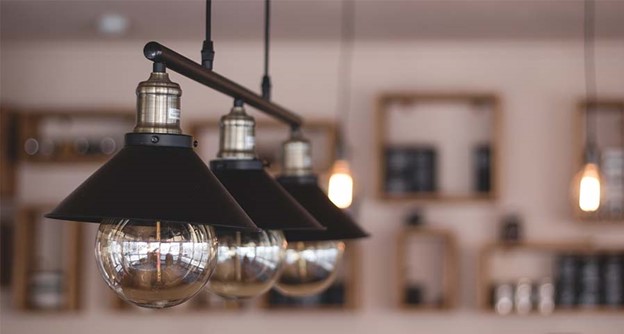
When retrofitting your LEDs, lightbulbs have various illuminance. Theres different ways to measure the lighting of…
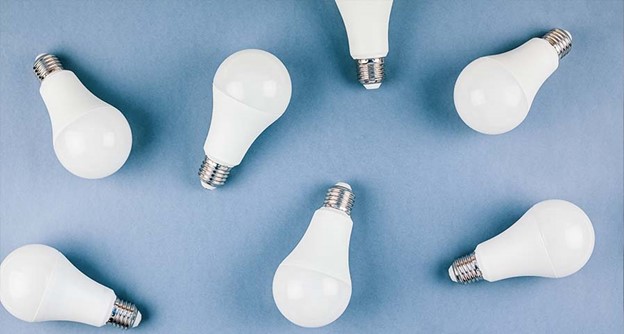
Understanding light measurements, luminance and foot-candle can help when choosing the perfect bulb for you next…
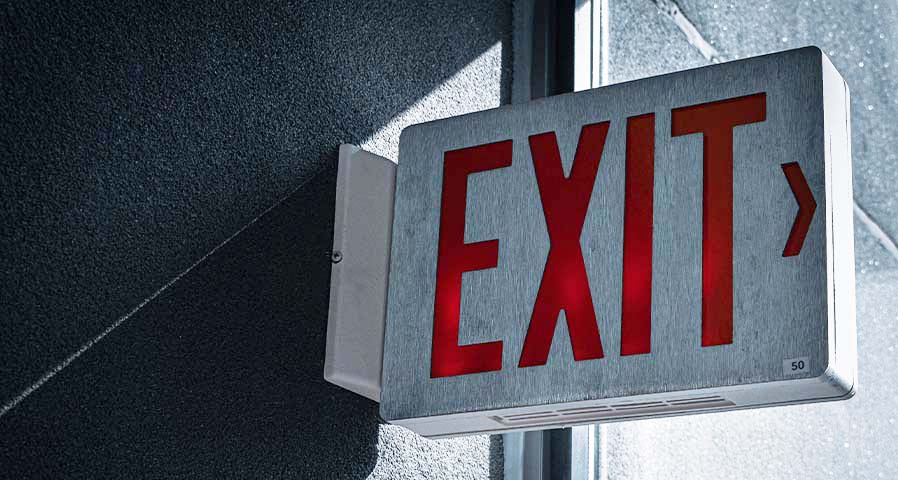
Exit signs and emergency lighting need to be in accordance with the NFPA, OSHA, and other…
When retrofitting your LEDs, lightbulbs have various illuminance. Theres different ways to measure the lighting of your next retrofit.
Understanding light measurements, luminance and foot-candle can help when choosing the perfect bulb for you next retrofit.
Exit signs and emergency lighting need to be in accordance with the NFPA, OSHA, and other state or local ordinances.