

Lighting Measurements – An In-depth Guide Part 1
When retrofitting your LEDs, lightbulbs have various illuminance. Theres different ways to measure the lighting of…

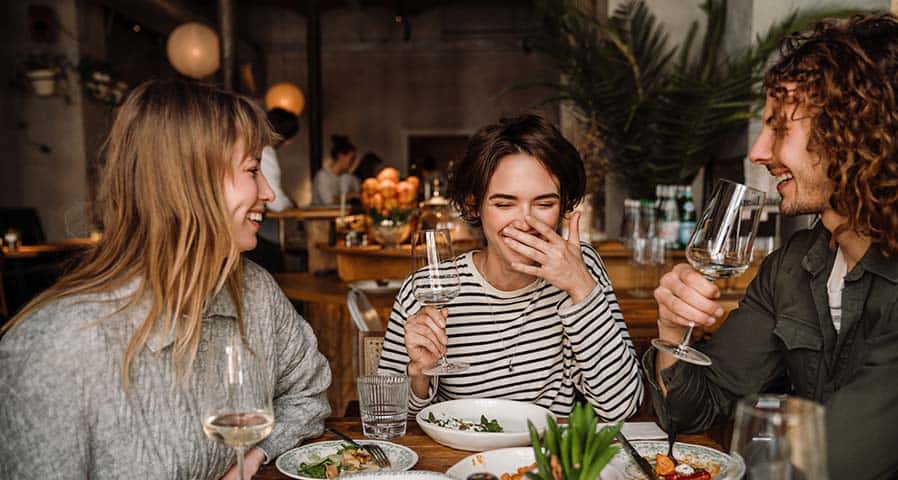
Restaurant lighting design influences how guests perceive the atmosphere, see their meals, pace their visit, and remember the brand. A strategic plan also supports employees and can contribute to revenue through table pacing, repeat visits, add-on purchases, private events, and lower operating costs.
The best approach does not begin with fixtures. It begins with the experience the restaurant wants to create in each space and at each point in the day.
Lighting affects restaurant customers by shaping first impressions, emotional response, visual comfort, and perceptions of the food and space. Guests may not evaluate technical lighting qualities, but they notice when a room feels harsh, gloomy, flat, or difficult to navigate.
Soft, warm lighting can create intimacy and a sense of privacy, which often suits fine dining, lounges, and evening service. Brighter lighting can feel active and accessible, making it useful for breakfast concepts, family restaurants, and fast-casual dining. Neither approach is universally better. The lighting must reinforce the experience customers expect from the concept.
Guests should also be able to read menus, recognize faces, see their meals, and move safely without glare. Otherwise, even an attractive interior can feel uncomfortable.
Lighting creates atmosphere through brightness, color temperature, contrast, and direction. Layered lighting prevents a room from feeling flat: ambient light provides general illumination, task lighting supports activities such as reading menus or preparing food, and accent light highlights architecture, artwork, or branded elements.
Good restaurant lighting also presents food accurately. High-quality light can help colors and textures look natural and appetizing. Poor color rendering may make fresh ingredients, proteins, cocktails, and finishes appear dull or distorted. For dining areas, many designers specify LED sources with a Color Rendering Index of at least 90, then evaluate the light on actual menu items and materials before finalizing the design.
Lighting performance depends on more than fixture wattage. Metrics such as lumens, lumens per watt, color rendering index, and correlated color temperature can influence energy efficiency, visibility, color accuracy, atmosphere, and the overall experience within a commercial property.
Learn which lighting metrics matter most for retail stores, restaurants, and office buildings in Important Lighting Metrics for Retail, Restaurants, and Office Buildings, and connect with our lighting experts to discuss the performance needs of your commercial spaces.
👉 Read: Important Lighting Metrics for Retail, Restaurants, and Office Buildings
Lighting can support restaurant sales, but it does not guarantee them. Its value comes from aligning the environment with the operating model and removing friction from the guest experience.
In fast-casual dining, a brighter atmosphere may help maintain the quicker pace customers expect. In full-service settings, warmer, dimmer evening scenes may encourage guests to relax, order another round, consider dessert, or return. Accent light can also draw attention to a bar, bakery case, or signature feature.
Operators should manage dwell time strategically. A longer visit may increase the average check, but it can reduce table availability during peak periods. Comparing lighting scenes with the table-turn rate, average check, add-on sales, and customer feedback turns lighting into a measurable operating tool.
Efficient LED restaurant lighting solutions and automated lighting controls may also reduce electricity use, replacements, and maintenance disruptions. Adaptable lighting can make private rooms more marketable for events.
Restaurants should use layered lighting and a zoned plan because each area serves a different customer or employee objective. The ranges below are preliminary planning benchmarks, not universal requirements. A lighting professional should confirm maintained light levels, measurement locations, uniformity, glare, applicable codes, and task-specific needs for the property.
| Restaurant zone | Experience or operating goal | Lighting approach | Preliminary light-level benchmark* |
| Entry and host area | Create a clear, welcoming first impression | Comfortable ambient light with focused task lighting at the host stand | 20–30 fc / 200–300 lux |
| Dining area | Support atmosphere, menu reading, food presentation, and conversation | Warm ambient light, controlled table-level light, and carefully aimed accents | 10–20 fc / 100–200 lux |
| Bar | Encourage a social mood and highlight products | Lower ambient light with accents on bottles, surfaces, and featured drinks | 5–10 fc / 50–100 lux |
| Kitchen and prep areas | Support speed, accuracy, cleanliness, and safety | Bright, uniform task lighting with good color rendering and low glare | 50–100 fc / 500–1,000 lux |
| Restrooms and corridors | Maintain comfort, visibility, and brand consistency | Even illumination without abrupt brightness changes | 10–20 fc / 100–200 lux |
| Outdoor dining and entrance | Extend the experience and support safe movement | Shielded, weather-appropriate light with controlled glare and spill | Site- and task-specific |
*Lux values are approximate conversions from foot-candles. One foot-candle equals approximately 10.76 lux.
Zoning also helps employees. Kitchen staff need clear visibility for preparation and cleaning, while hosts and servers must be able to read screens, checks, and table numbers. Avoid extreme transitions between bright work areas and dim dining rooms.
The best lighting for dining areas balances atmosphere with visual clarity. Warm white light, often approximately 2,700K to 3,000K, works well for many full-service restaurants. A brighter or more neutral tone may suit breakfast, fast-casual, or contemporary concepts better.
Dining-room light should also render food and skin tones naturally, control glare, and illuminate tables without shining into guests’ eyes. Daylight can make a room feel open, but shades may be necessary to maintain comfort as the sun moves.

Restaurant lighting should be bright enough for each activity, rather than set to a single universal level. A dining room needs comfortable light on menus, faces, and food; a kitchen requires stronger task lighting; and circulation routes need safe visibility.
Brightness also changes by service period. Morning and lunch scenes can reinforce an active pace, while dinner scenes can reduce ambient light while preserving visibility. A professional plan should calculate maintained light levels, uniformity, glare, and control zones for the actual layout rather than relying on wattage or fixture appearance.
The most effective atmosphere changes with the restaurant’s needs. Programmable scenes and automated lighting controls can coordinate daylight, electric light, and dimming without asking employees to recreate settings during a busy shift.
Test every scene with furniture, finishes, menus, glassware, and food in place. Staff feedback can reveal glare, shadows, dark tables, or distracting contrasts that drawings may not show.
Many restaurant lighting problems stem from treating the entire property as a single visual environment. Common mistakes include:

Can restaurant lighting affect online reviews?
Lighting can influence the comfort, food appearance, and photo quality guests discuss or show in reviews. It cannot overcome poor food or service, but a comfortable, photogenic environment can strengthen the impression customers share.
Should restaurant lighting controls be accessible to all employees?
Employees should be able to use approved lighting scenes easily, but unrestricted adjustments can create inconsistent results. Clearly labeled presets for each service period help teams preserve the intended atmosphere while allowing managers to make controlled changes.
How often should a restaurant reassess its lighting design?
Review lighting whenever the menu, layout, operating hours, brand concept, or use of a space changes. Routine checks should also identify failed lamps, mismatched colors, dirty lenses, shifted aiming, and outdated control settings.
Commercial restaurant lighting performs best when every decision supports a customer and business objective. The goal is an environment where guests feel comfortable, food looks appealing, employees work effectively, and the atmosphere supports the desired pace and revenue model.
Action Services Group can help restaurants develop and implement commercial lighting solutions for new locations, renovations, upgrades, and multi-site programs. Our team can support lighting design, product selection, installation, controls, and ongoing service through one experienced partner.
Ready to improve the lighting experience across your restaurant or portfolio? Contact Action Services Group to discuss your upcoming project. Call 610-558-9773, email [email protected], or schedule a call that fits your needs by clicking the button below.
When retrofitting your LEDs, lightbulbs have various illuminance. Theres different ways to measure the lighting of…
Understanding light measurements, luminance and foot-candle can help when choosing the perfect bulb for you next…
Exit signs and emergency lighting need to be in accordance with the NFPA, OSHA, and other…
When retrofitting your LEDs, lightbulbs have various illuminance. Theres different ways to measure the lighting of your next retrofit.
Understanding light measurements, luminance and foot-candle can help when choosing the perfect bulb for you next retrofit.
Exit signs and emergency lighting need to be in accordance with the NFPA, OSHA, and other state or local ordinances.