

Lighting Measurements – An In-depth Guide Part 1
When retrofitting your LEDs, lightbulbs have various illuminance. Theres different ways to measure the lighting of…

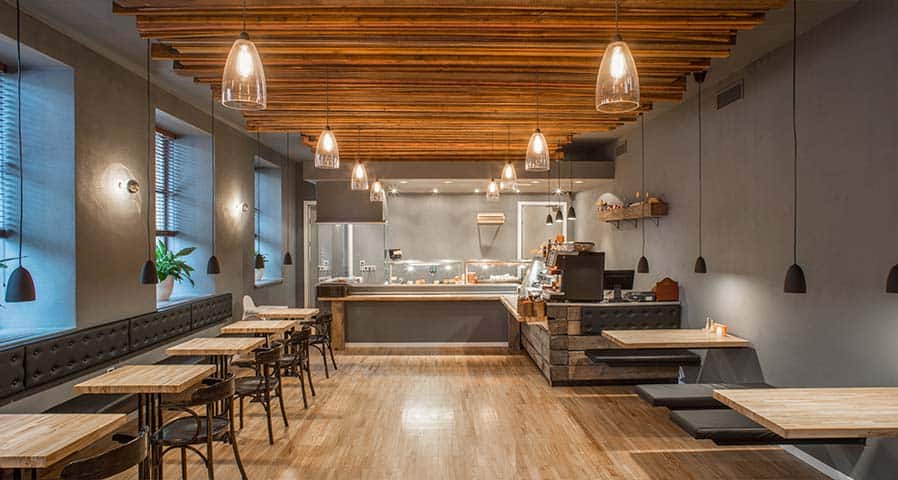
As commercial spaces evolve to meet new expectations around wellness, sustainability, flexibility, and experience, lighting is no longer treated as a background utility. In 2026, commercial lighting design sits at the intersection of technology, human performance, environmental responsibility, and architectural storytelling. From human centric lighting and biophilic strategies to smart AI lighting design and invisible architectural integration, the future of lighting is both intelligent and deeply personal.
One of the most defining trends in commercial lighting design for 2026 is the widespread adoption of human centric lighting. Rather than delivering static illumination, lighting systems now align with the body’s natural circadian rhythm. Tunable white LEDs shift throughout the day, providing cooler, higher-intensity light in the morning to support alertness and focus, and warmer tones in the afternoon and evening to reduce eye strain and mental fatigue.
This approach is supported by growing evidence that light quality directly affects cognitive performance, mood, and overall well-being. Offices, healthcare facilities, educational buildings, and hospitality environments are all adopting circadian-based lighting schedules to reduce headaches, improve sleep quality, and create more comfortable, productive environments. Human centric lighting also supports inclusive design by allowing individual users to fine-tune brightness and color temperature based on visual sensitivity, age, or neurological comfort.
In 2026, smart AI lighting design goes beyond basic occupancy sensing and scheduling. Artificial intelligence is increasingly embedded into lighting control platforms, enabling systems to learn from usage patterns, daylight availability, and space utilization. AI can predict peak occupancy, adjust light levels dynamically, and coordinate with HVAC, security, and building management systems to optimize both comfort and energy performance.
For hybrid workplaces and multi-use facilities, AI allows lighting to respond in real time to how a space is actually used rather than how it was originally programmed. Meeting rooms, collaboration zones, retail floors, museums, and lobbies can all shift automatically between scenes based on time of day, activity type, and user behavior. Predictive analytics also support proactive maintenance, identifying fixture performance issues before failures occur and helping facility managers reduce downtime and labor costs.

Sustainability is no longer a feature added at the end of a project; it is now a core driver of lighting design decisions. High-efficiency LEDs, advanced controls, and daylight harvesting are standard components of net-zero and low-carbon building strategies. In addition, designers are paying closer attention to the full lifecycle of lighting systems, specifying fixtures with recyclable materials, modular components, and longer service lives.
Smart lighting controls reduce unnecessary runtime, while AI-driven optimization ensures that energy use aligns precisely with occupancy and daylight conditions. These systems also support green building certifications such as LEED and WELL, while helping owners meet increasingly strict energy codes and corporate ESG targets. Sustainability in lighting now spans energy consumption, material selection, maintenance reduction, and long-term adaptability.
Biophilic design continues to influence commercial interiors, and lighting plays a central role in reinforcing the connection to nature. Dynamic light scenes that mirror outdoor conditions, indirect illumination that reduces glare, and integrated accent lighting for natural materials and plant features all contribute to calmer, healthier spaces.
Even in buildings with limited access to daylight, layered lighting strategies and tunable spectra can simulate natural patterns, supporting both visual comfort and psychological well-being. In hospitals, museums, hotels, and corporate campuses, lighting is now considered part of the wellness infrastructure, working alongside acoustics, air quality, and spatial planning.
Architecturally, the 2026 lighting design balances two seemingly opposite directions. On one end, fixtures become nearly invisible, seamlessly integrated into ceilings, walls, handrails, and millwork. Recessed linear systems, micro-downlights, and concealed indirect sources allow light to define space without visual clutter, supporting the trend toward clean lines and strategic neutral interiors that age well and appeal to a wide tenant base.
At the same time, lighting is also embraced as an artistic and branding element. Sculptural pendants, custom chandeliers, and immersive feature lighting are used in lobbies, hospitality venues, retail flagships, and cultural spaces to create memorable focal points and reinforce identity. Lighting becomes both the silent partner and the hero, depending on the design intent.
Turn Lighting Trends into Intelligent Design
The top lighting design trends for 2026, smart AI lighting and biophilic design, depend on flexible, intelligent control systems to deliver real impact. Explore our Lighting Control Solutions to see how modern platforms support adaptive lighting, circadian-friendly environments, and data-driven optimization.
When you’re ready, schedule a call with our lighting and controls experts to discuss how these design trends can be applied to your spaces in a practical, scalable way.
👉 Explore Lighting Control Solutions
👉 Schedule a Call with Our Lighting & Controls Experts
Flexibility is essential in 2026 commercial environments. Zoned lighting, scene control, and user personalization allow one space to support multiple functions throughout the day. Offices shift from focus mode to collaboration mode, retail environments transition from daytime shopping to evening ambiance, and museums reconfigure lighting to suit changing exhibits.
Lighting is also increasingly used as a storytelling tool. In hospitality, retail, and experiential environments, carefully programmed scenes guide visitors emotionally through a space, reinforcing brand narratives and enhancing engagement. In healthcare and transportation, lighting supports intuitive wayfinding through subtle changes in brightness, color temperature, and emphasis, reducing stress and improving accessibility without relying solely on signage.
A key lesson shaping 2026 lighting strategies is the need for adaptability. Modular fixtures, open-protocol controls, and scalable networked systems allow buildings to evolve without full replacement. As AI capabilities, sensor technologies, and energy regulations continue to advance, future-ready lighting infrastructures ensure that upgrades can be implemented through software, controls, and component swaps rather than disruptive overhauls.
Commercial lighting design in 2026 reflects a broader shift in how buildings are conceived: people-first, data-driven, and environmentally responsible. Human centric lighting supports wellness and productivity, smart AI lighting design enables responsive and efficient operation, and sustainability is embedded across the entire lifecycle of lighting systems. At the same time, lighting serves as both an architectural tool and an experiential medium, shaping how spaces feel, function, and tell their stories. As technology and design continue to converge, lighting becomes one of the most powerful levers for creating future-proof commercial environments that are intelligent, adaptable, and genuinely supportive of the people who use them.
Action Services Group assists businesses in keeping up with the latest lighting and smart technology, so they’re prepared for the future. To speak with our specialists, call 610-558-9773, email [email protected], or schedule a consultation that fits your needs.
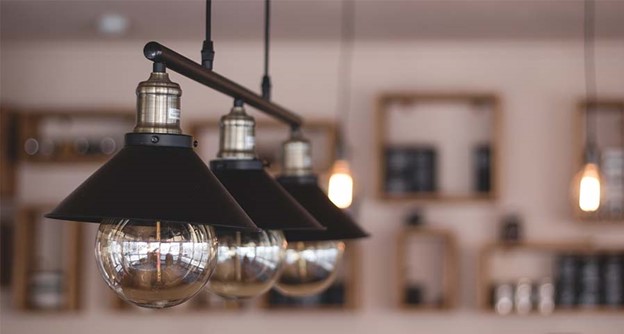
When retrofitting your LEDs, lightbulbs have various illuminance. Theres different ways to measure the lighting of…
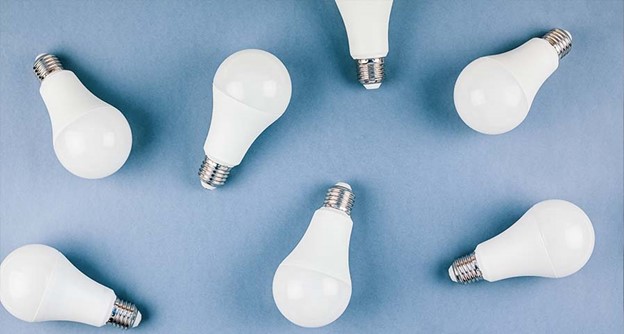
Understanding light measurements, luminance and foot-candle can help when choosing the perfect bulb for you next…

Exit signs and emergency lighting need to be in accordance with the NFPA, OSHA, and other…
When retrofitting your LEDs, lightbulbs have various illuminance. Theres different ways to measure the lighting of your next retrofit.
Understanding light measurements, luminance and foot-candle can help when choosing the perfect bulb for you next retrofit.
Exit signs and emergency lighting need to be in accordance with the NFPA, OSHA, and other state or local ordinances.