

Lighting Measurements – An In-depth Guide Part 1
When retrofitting your LEDs, lightbulbs have various illuminance. Theres different ways to measure the lighting of…


Smart technology in schools is transforming how lighting systems support both energy efficiency and student performance. Modern school lighting upgrades now go beyond simple LED replacements by integrating intelligent controls that adapt to how spaces are used throughout the day.
How do smart lighting controls improve school environments and operations?
Smart lighting controls are automated systems that adjust lighting levels, timing, and color based on occupancy, daylight availability, and user preferences. These systems are a key component of smart technology in schools, enabling lighting to respond dynamically to real-time conditions rather than operating on static schedules.
Unlike traditional lighting systems, smart controls integrate sensors, timers, and networked platforms to optimize performance across different school environments. This makes them a critical part of modern school lighting upgrades, especially as districts prioritize both cost savings and improved learning conditions.
Smart lighting controls are essential because they maximize the value of LED upgrades by adding intelligence, flexibility, and measurable performance improvements.
According to DOE guidance, schools that upgrade from fluorescent to LED lighting can achieve 20–60% energy savings, but controls such as dimming, occupancy sensors, and daylight harvesting significantly increase those savings while improving usability.
In addition to energy reduction, these systems allow schools to:
Smart lighting controls improve learning environments by aligning lighting conditions with student needs, activities, and natural rhythms.
One of the most impactful innovations is tunable white lighting, which allows educators to adjust the color temperature throughout the day. For example:
Research highlighted by the DOE shows that teachers respond positively to tunable lighting systems, noting improved classroom behavior and engagement.
This adaptability is especially valuable in:
Smart lighting controls are applied differently based on each space’s function, ensuring efficiency and usability across the entire facility.
Classrooms benefit from occupancy sensors, dimming controls, and teacher overrides. Lighting can automatically adjust when students enter or leave, while also supporting audiovisual activities and presentations.
Hallways and corridors typically use occupancy-based controls that reduce light levels when spaces are empty, improving energy efficiency without compromising safety.
Large areas, such as gyms, use high-bay lighting with motion sensors to keep lights active only when needed. These systems often provide full coverage while minimizing unnecessary energy use.
Administrative spaces rely on occupancy sensors and scheduled lighting to balance comfort with operational efficiency.
Exterior lighting systems integrate photocells and time clocks to ensure lights operate only when needed, improving both energy savings and campus security.
These application strategies demonstrate how smart technology in schools can be tailored to each environment for maximum impact.
Smart lighting controls deliver measurable operational improvements that extend beyond energy savings.
Automated systems ensure lights are used only, when necessary, significantly reducing utility costs across large school campuses.
LED systems paired with smart controls experience less wear and tear, reducing replacement frequency and maintenance costs.
Networked lighting systems allow facility managers to monitor and control lighting across multiple buildings from a single platform.
Smart controls help schools meet energy codes and sustainability targets while supporting ESG initiatives and funding eligibility.
Schools should begin by evaluating existing lighting systems, space usage, and performance goals before selecting a control strategy.
The DOE recommends starting with:
Integrating smart controls during a lighting upgrade project is the most cost-effective approach, enabling schools to future-proof their systems while maximizing ROI.
Are Smart Lighting Controls Worth the Investment for Schools?
Yes, smart lighting controls will significantly increase energy savings, improve learning environments, and reduce long-term operational costs.
Can Smart Lighting Be Integrated with Existing LED Systems?
In many cases, yes. Retrofit kits, TLED lamps, and new luminaires can all support various levels of lighting control integration.
Do Smart Lighting Systems Require Ongoing Management?
Most systems are automated but can be centrally managed through software platforms, allowing facility teams to adjust as needed.
How Do Smart Controls Support Sustainability Goals?
They reduce energy consumption, lower carbon emissions, and help schools meet regulatory and ESG benchmarks.
Smart lighting controls are redefining how schools approach energy efficiency, student experience, and facility management. By combining LED technology with intelligent automation, schools can create environments that are not only cost-effective but also optimized for learning.
Click here to read the full article, originally published October 1, 2025, by Inside Lighting.
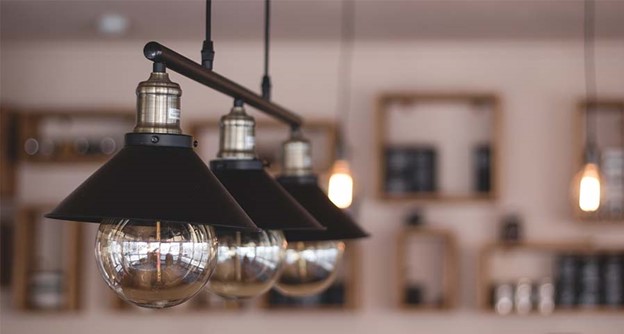
When retrofitting your LEDs, lightbulbs have various illuminance. Theres different ways to measure the lighting of…
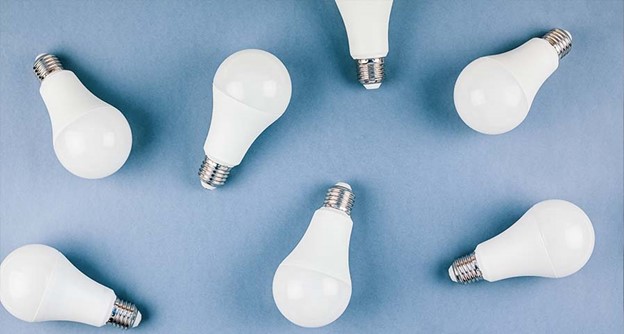
Understanding light measurements, luminance and foot-candle can help when choosing the perfect bulb for you next…

Exit signs and emergency lighting need to be in accordance with the NFPA, OSHA, and other…
When retrofitting your LEDs, lightbulbs have various illuminance. Theres different ways to measure the lighting of your next retrofit.
Understanding light measurements, luminance and foot-candle can help when choosing the perfect bulb for you next retrofit.
Exit signs and emergency lighting need to be in accordance with the NFPA, OSHA, and other state or local ordinances.